Get in touch with JINYOU Cable Company

-
CALL US +86 181 1623 2461
-
EMAIL sales@jinyougroup.cn
Japanese Standard Solar Cable for PV-CQ Project Approval
Jinyou supplies Japanese Standard Solar Cable from our Shanghai manufacturing site for solar PV cable applications in power-generation projects requiring PV-CQ. For each project, the designation, certificate fields, conductor size, cable marking, packing, and shipping documents are matched before production is approved.
- Engineer-reviewed quote within 24 hours
- PV-CQ and PV-CC shown in certificate scope
- DC 1500 V, 2.0–8.0 mm²
- Roll or drum packing
- Manufacturer
- Jinyou Cable, Shanghai, China
- Certificate
- JQ10896-1 · February 13, 2026
- Models shown
- PV-CC and PV-CQ
- Certificate voltage
- DC 1500 V
- Certificate size scope
- 2.0–8.0 mm²
- Legacy operating range
- -40°C to +90°C
- Recorded packing
- 100 m / 200 m rolls; 100 m / 500 m / 1,000 m drums
- OEM review
- Marking, colour, length, packing, and document inputs
PV-CQ Cable Scope for Solar Projects
A supplier may quote a familiar cable label while leaving an order-level mismatch risk, because the label alone does not bind construction or documents. For solar power plants that specify a PV-CQ solar cable, Jinyou Cable resolves that gap by checking the PV-CQ designation against the order records, JET’s DC 1500 V voltage category, the 2.0–8.0 mm² model range, marking, packing, and requested records before release.5
Project specification match
Our review matches the cable designation, system voltage, conductor size, route description, and required approval documents against the quoted product.
01Order-level customization
The written quotation scopes sheath marking, requested colour, roll or drum length, OEM presentation, and destination packing.
02Document handoff
Requested certificate copies and Lot-linked test documentation can be included when those items are listed in the order.
03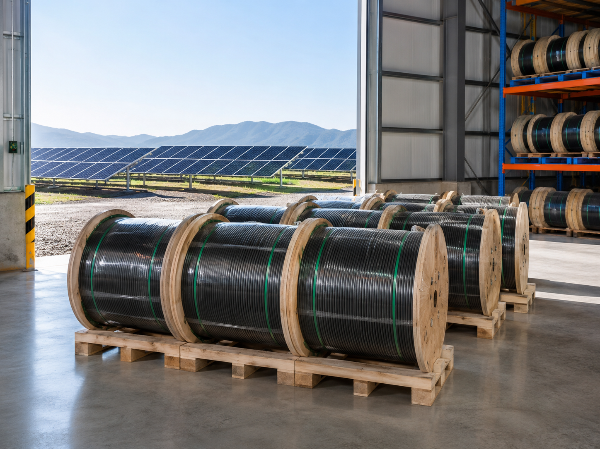
Solar cable routes to identify in the enquiry
Solar panel and string-cable runs with separately specified connector interfaces
Module-to-combiner cable schedules
Combiner-to-power-conditioner DC power cable routes
Rooftop solar arrays and utility-scale projects
Distributor stock orders with fixed marking and packing requirements
OEM solar cable orders that require document and label control
Cable Construction to Confirm
A familiar cable name does not necessarily cover the ordered size and can cause a mismatch because approval follows the insulation-and-sheath combination as well as the designation. Jinyou Cable confirms the ordered PV-CQ construction against the DC 1500 V model scope before quotation.
A similar diameter or a familiar “solar cable” label cannot justify substitution. If the bill of materials names another designation, we reopen the construction and document review before quoting.
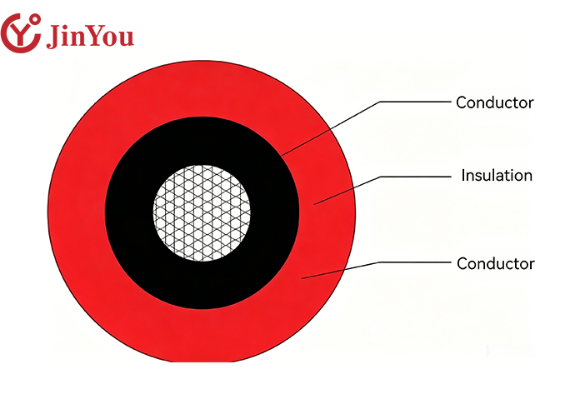
Construction fields in the approval pack
Conductor
Confirm wire material, construction, and nominal cross-section from the approved data sheet.
Insulation
The client product image labels XLPE insulation; final material wording follows the approved order record.
Sheath
The client product image labels an XLPO sheath; colour and printed legend belong in the quotation.
Designation
PV-CQ must remain linked to the quoted material combination and certificate model scope.
Marking and Packing Order Process
Marking and packing are purchase-order inputs because they affect approval, handling, and quotation comparability. No colour or private-label legend is preselected before the project requirements are reviewed.
Send Marking and Packing Inputs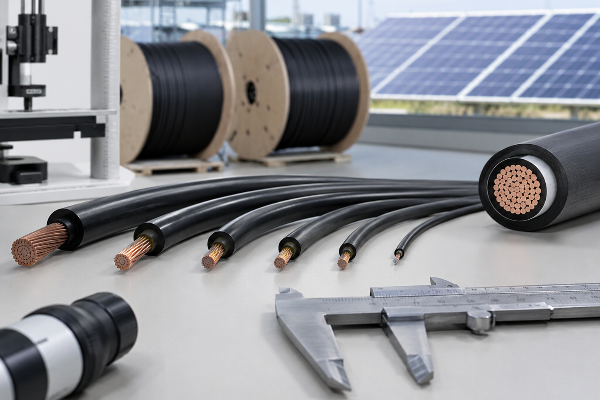
| Order field | What to send | What returns in the quotation |
|---|---|---|
| Sheath marking | Required designation, voltage wording, model reference, language, and repeat rule | Approved print content and production basis |
| Cable colour | Requested colour by conductor size and polarity plan | Availability and order-specific confirmation |
| Roll packing | 100 m or 200 m requested length | Roll format and label information |
| Drum packing | 100 m, 500 m, or 1,000 m requested length | Plastic or plywood drum proposal, subject to size and order review |
| OEM presentation | Brand, artwork, carton, drum-label, and document requirements | Quoted customization scope |
| Destination | Port, delivery address, and handling constraints | FOB or CIF routing basis |
Quote Inputs That Move the Order
Buyers seeking comparable prices learn that solar cable price depends on the final scope: conductor size, length, marking, colour, pack, document scope, destination, date. The quotation presents the entire order configuration rather than just publishing a unit price with unresolved fields.
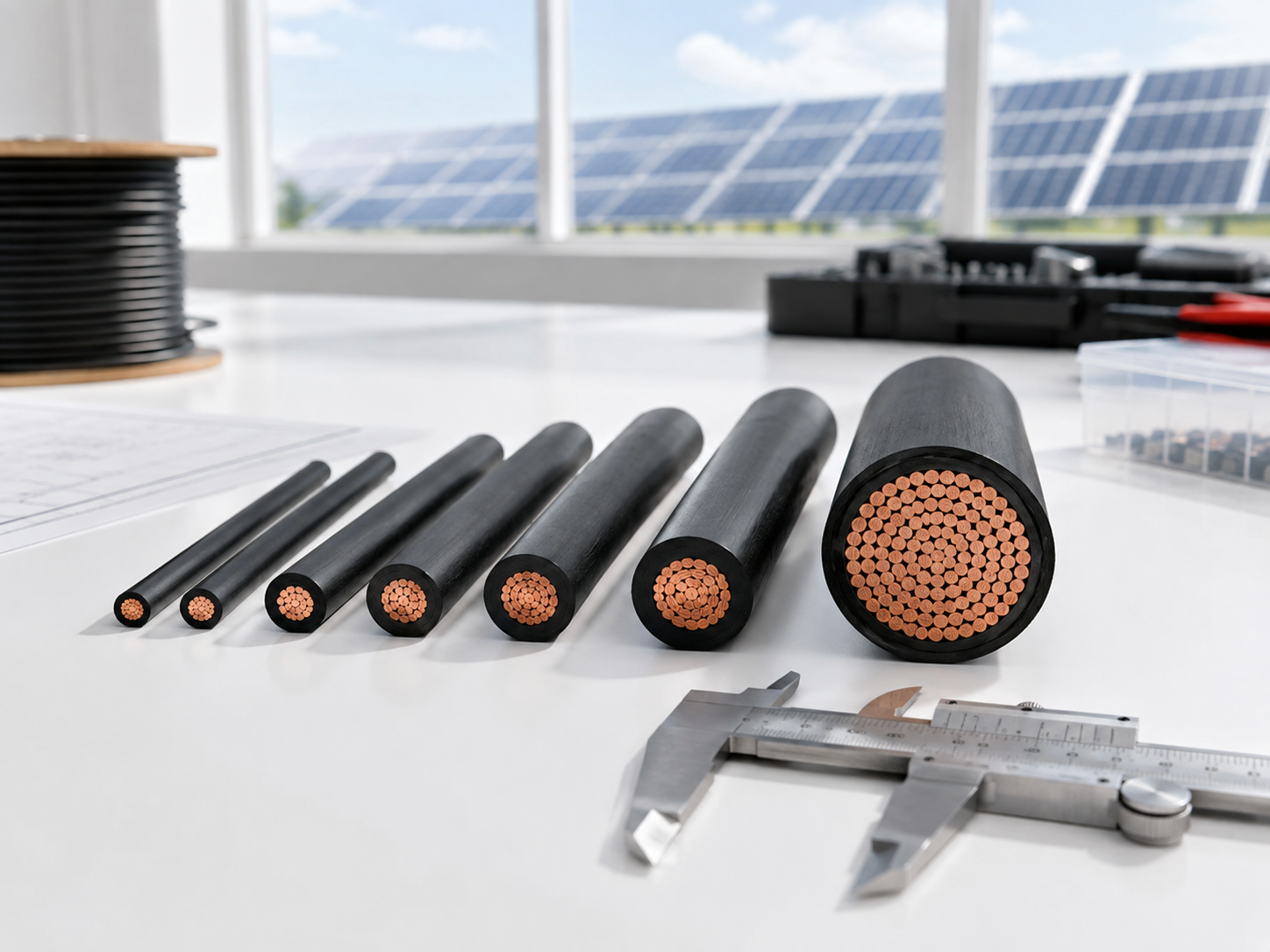
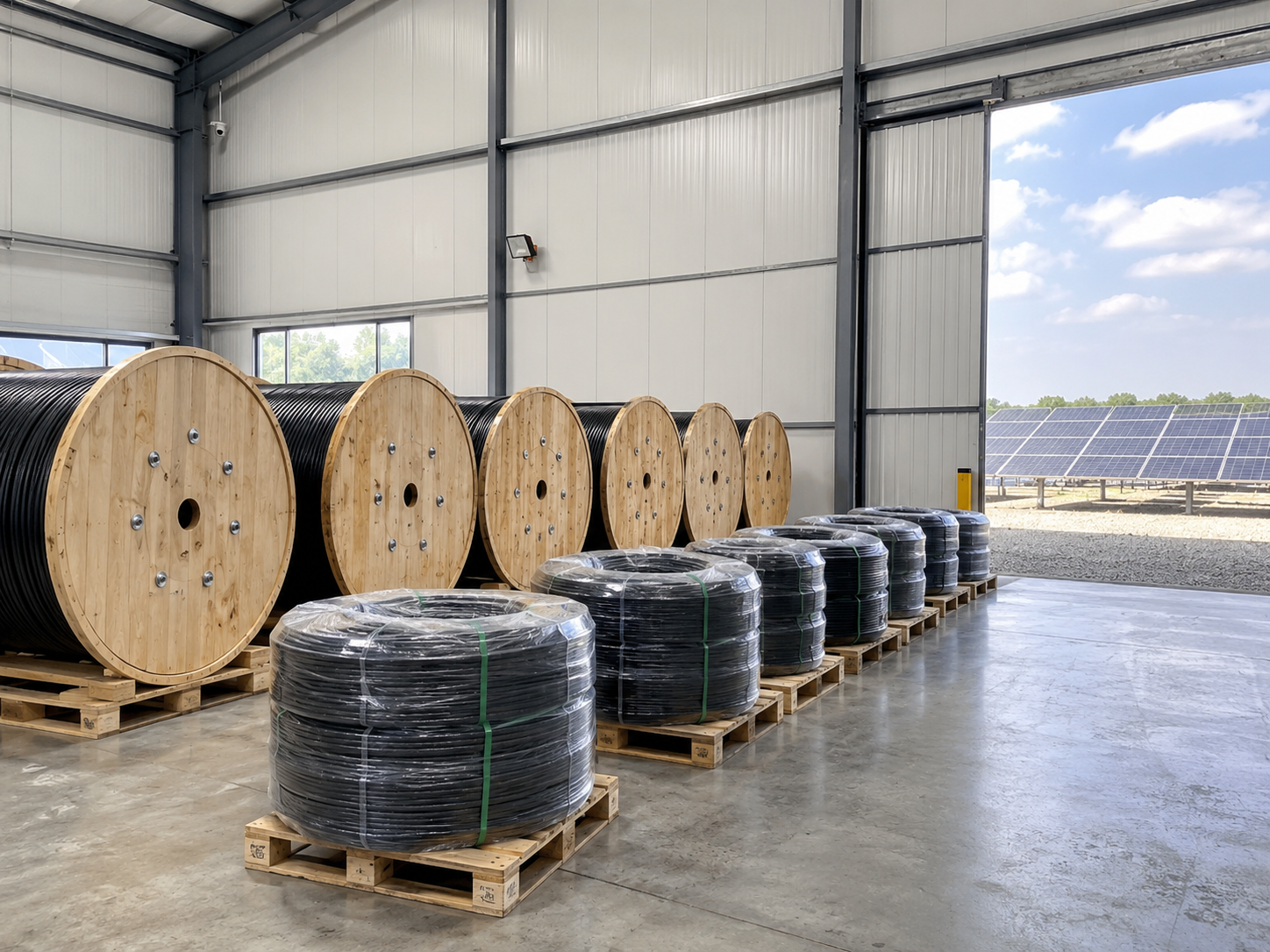
Eight inputs for a comparable quotation
01
Designation
PV-CQ or the exact bill-of-materials wording
02
Conductor size
Nominal cross-section for each line item
03
Quantity
Total metres by size and colour
04
Packing
Roll or drum length by line item
05
Marking
Required printed legend and language
06
Destination
Port or delivery location
07
Documents
Certificate copy, model annex, and lot-linked records requested
08
Required date
Requested delivery or project-release date
Commercial planning
| Stage | Committed planning basis | What it covers |
|---|---|---|
| Quotation response | within 24 hours on business days | Engineer review of the submitted order fields |
| Production schedule | 25–35 working days | Starts after specification, packing, and quantity approval; final schedule appears in the quotation |
| Payment | T/T or L/C | Terms fixed in the quotation |
| Shipping basis | FOB or CIF | Destination and freight scope fixed in the quotation |
Certificate and Lot Document Control
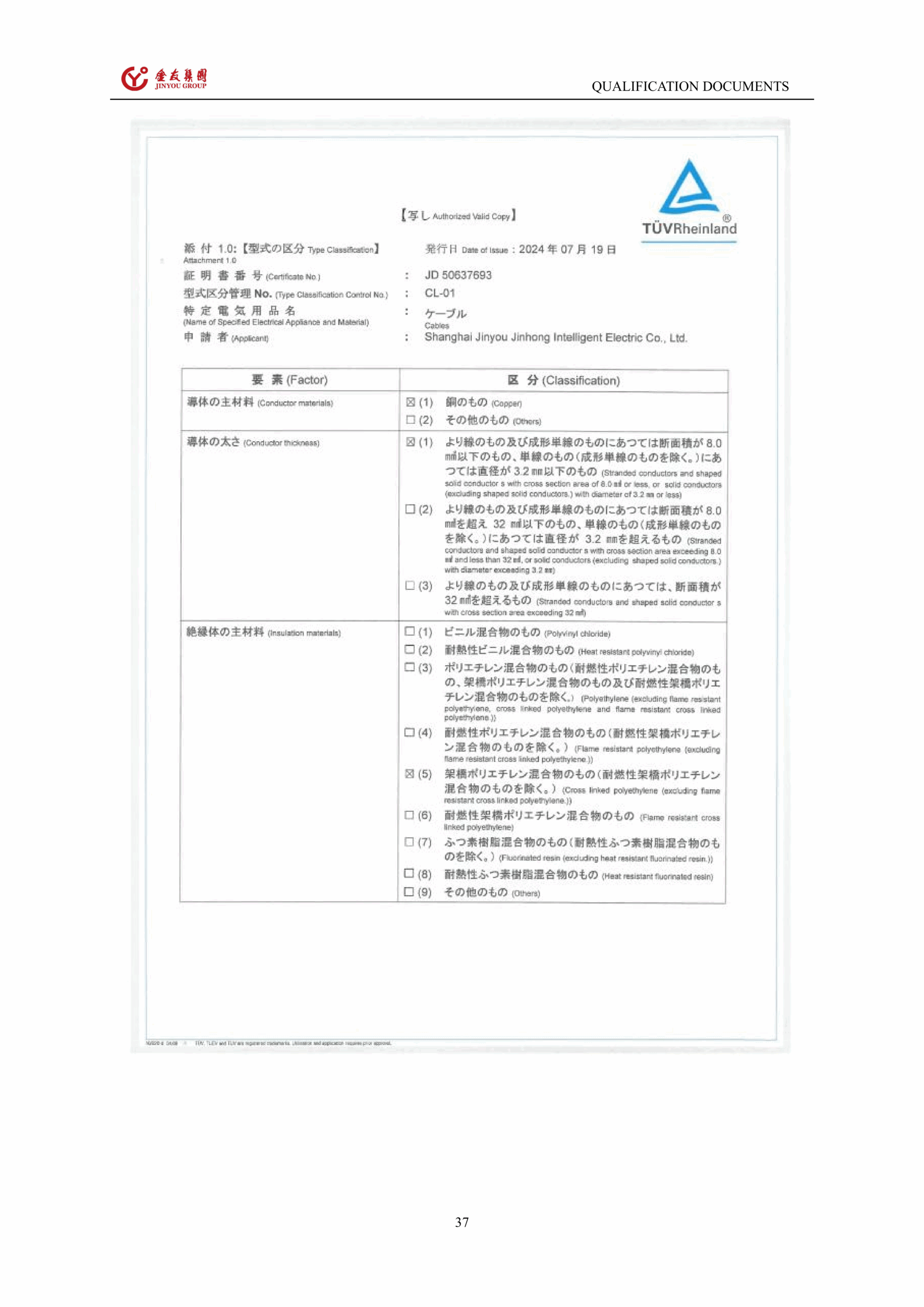
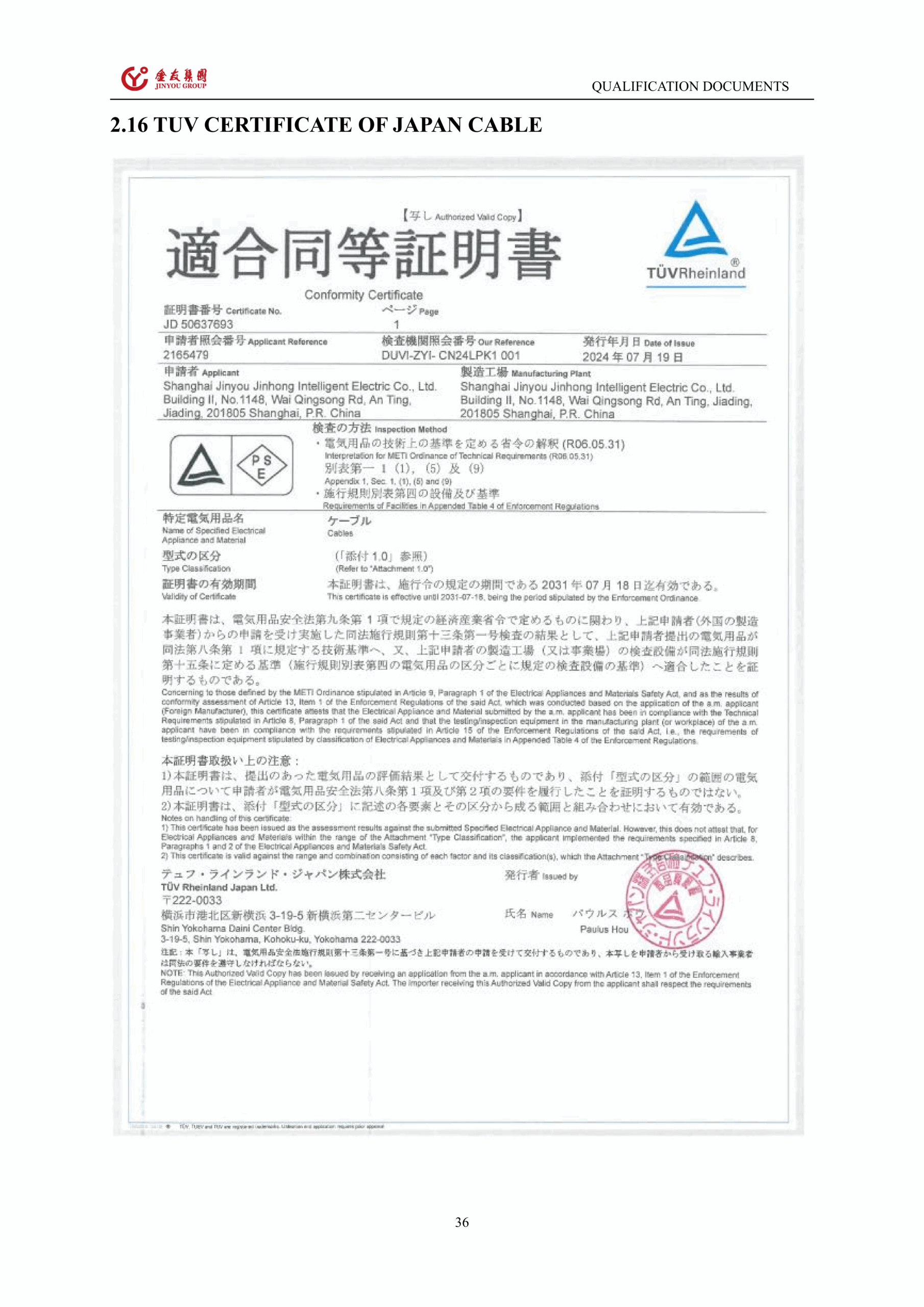
A supplier may hold approval for one gauge or construction rather than the full range, so treating one certificate image as proof for every ordered size or current status creates a compliance risk. Because visible fields and public registry status are different evidence objects, Jinyou Cable carries the DC 1500 V model and 2.0–8.0 mm² fields into the order check while the buyer requests the current copy and annex. The problem is scope drift: the official page, dated certificate image, and order annex answer different questions, so Jinyou Cable compares all three instead of collapsing them under a common assumption.
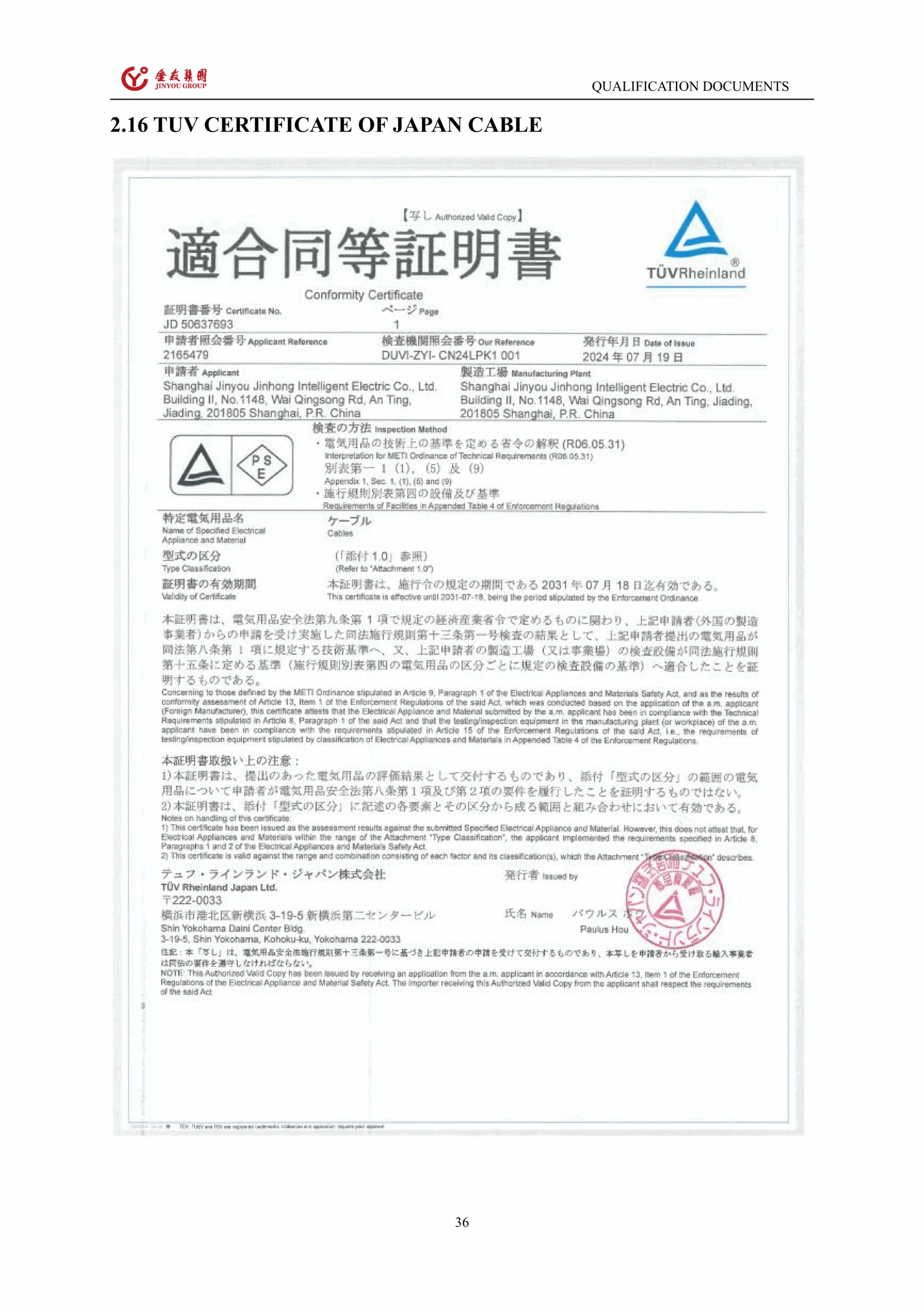
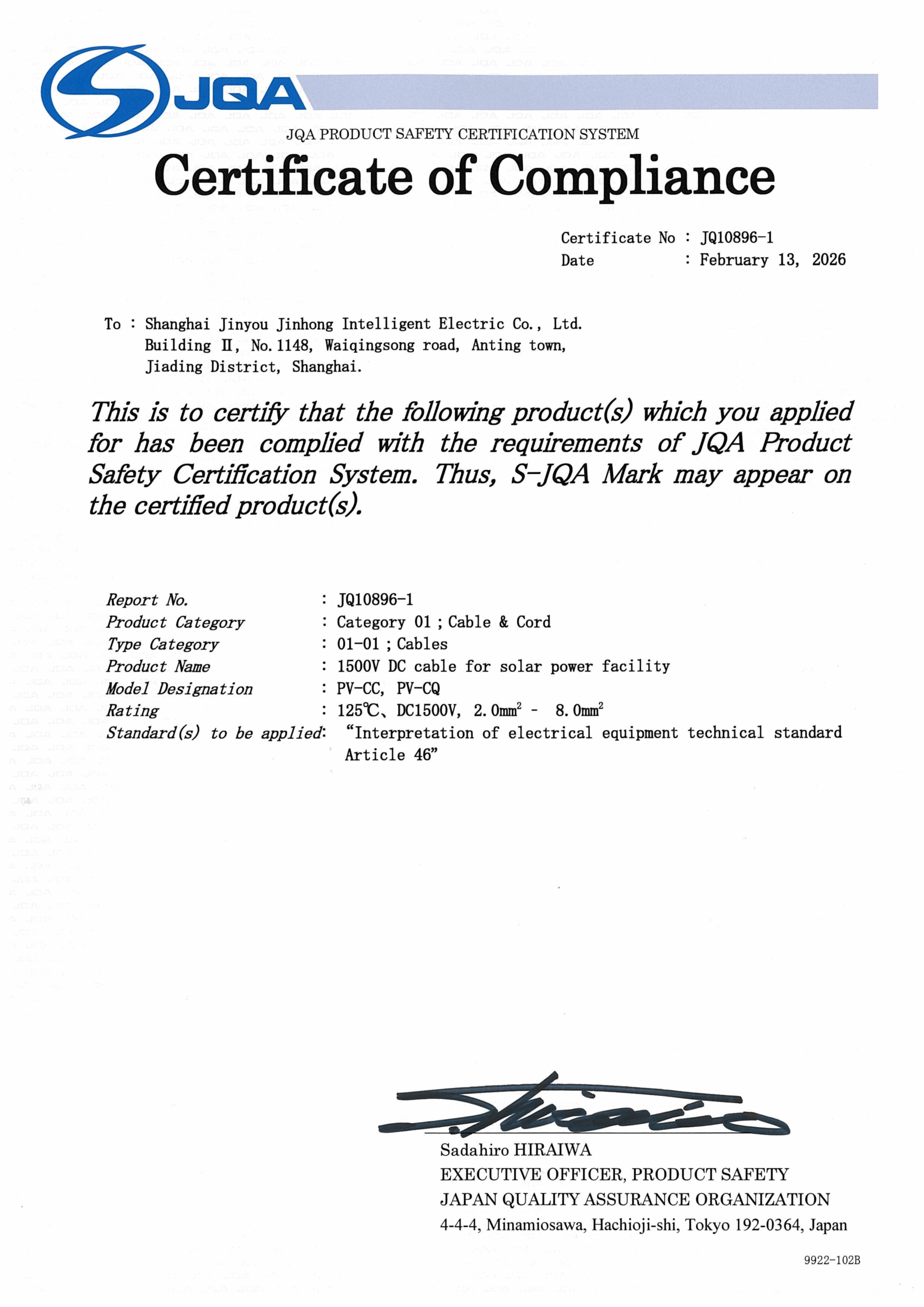
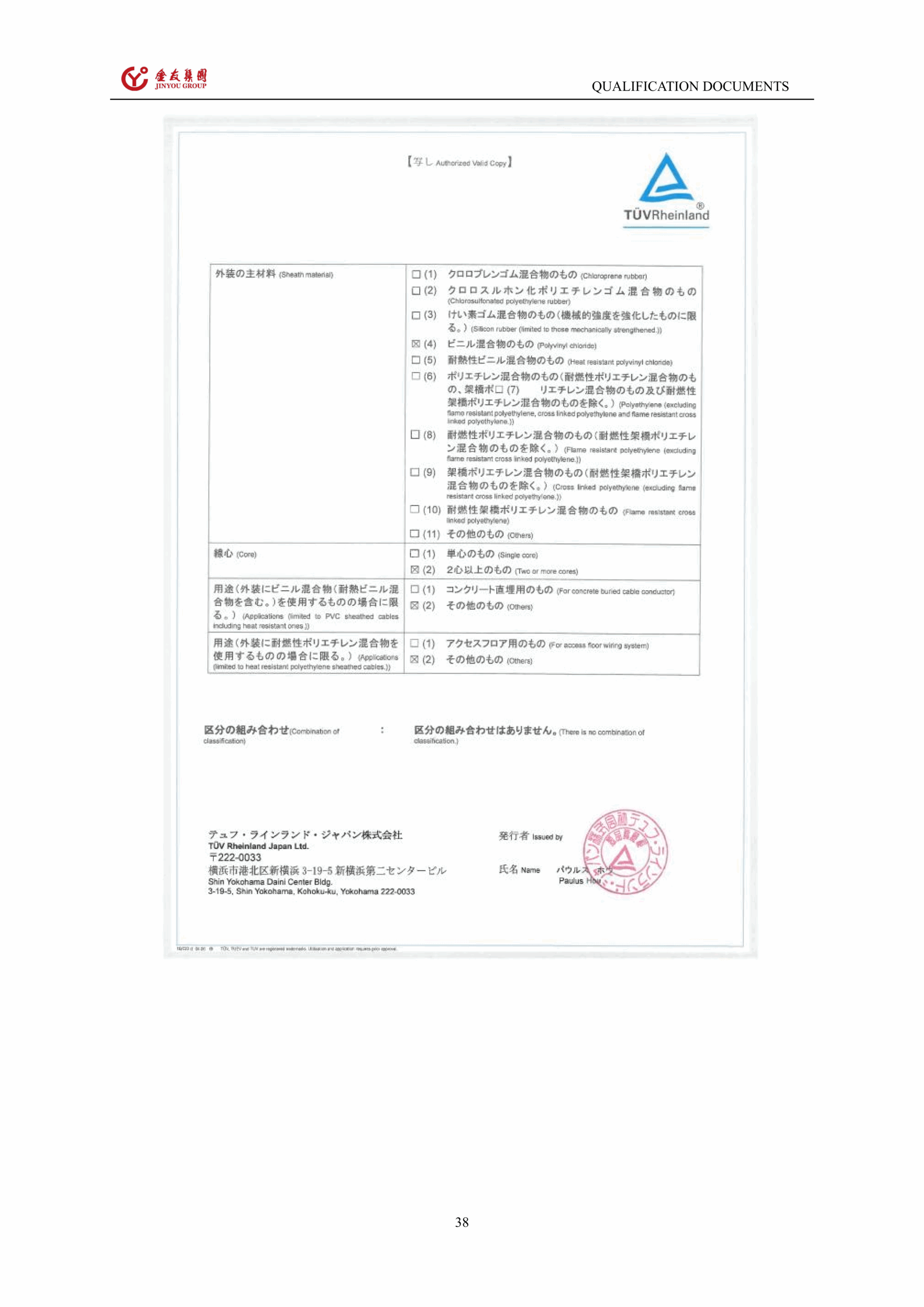
Three records kept aligned
- Quotation designation, size, marking, packing, and requested documents.
- Production release approved order fields and any resolved differences.
- Shipment handoff packing identity and requested Lot-linked test documentation.
S-JQA, PSE, and project-rule boundaries
- JQA describes S-JQA as a voluntary safety and electromagnetic-compatibility approval scheme; it is not the same label as mandatory PSE categories.
- JQA publishes a certified-product search list updated monthly, while its public search rules do not make this page an independent current-status record for JQ10896-1.
- METI’s Article 46 context includes controlled access and DC 1,500 V or less conditions; the cable page does not replace project-specific design and authority review.
- JET’s current DC 1500 V cable category includes surface marking at intervals of 1 m or less; the ordered marking still has to be checked against the actual approval documents.
Order Process: Six Steps from BOM to Shipment
Document mismatch causes delay because quotation, marking artwork, and shipment records may be reviewed at different stages. Jinyou uses one ten-field Approval Pack to keep them aligned from a DC 1500 V enquiry through packing.
-
STEP 01
Send project inputs. Provide the bill of materials, route, size, quantity, marking, packing, destination, and document list.
-
STEP 02
Match designations and scope. We compare the requested PV-CQ designation with the quoted construction and available certificate fields.
-
STEP 03
Receive the written quotation. Price, 25–35 working days production, T/T or L/C, and FOB or CIF are fixed for the reviewed order.
-
STEP 04
Check samples or documents. When agreed, marking artwork, the certificate copy and model annex, samples, or the document format are checked before release.
-
STEP 05
Release production and checks. If model, size, marking, or document inputs do not match, we return the difference before scheduling the run.
-
STEP 06
Pack and deliver records. The approved roll or drum format and requested shipment documents follow the order.
PV-CQ Approval Pack
- Supplier legal entity
- Cable designation
- Certificate number and date
- Model shown in scope
- Insulation and sheath combination
- Voltage and size range
- Temperature field type
- Sheath marking and colour
- Project route and Article 46 review
- Current copy, annex, and requested lot documents
Shanghai Production and OEM Documentation
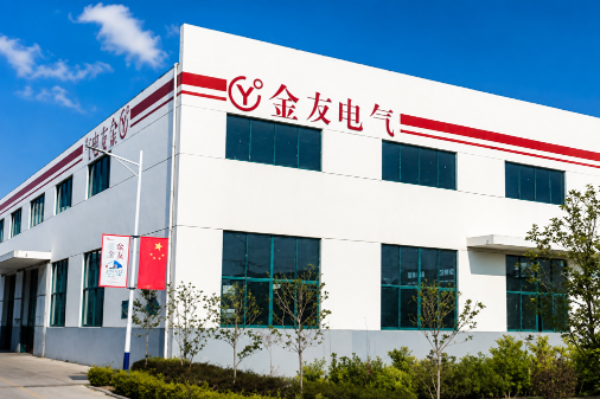
Shanghai Jinyou Jinhong Intelligent Electric Co., Ltd. has manufactured renewable-energy cables in Shanghai since 2006. We supply OEM cable to partners in more than 40 countries, with project inputs reviewed before production.
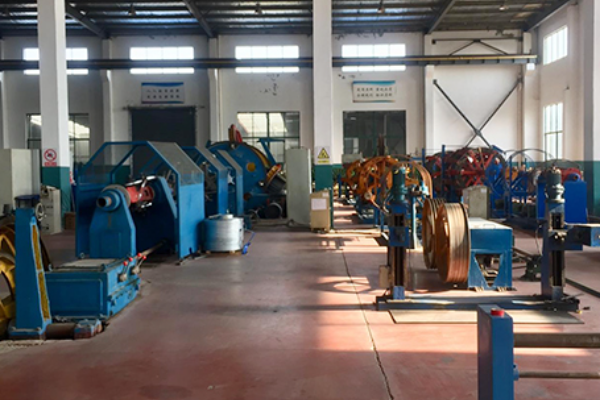
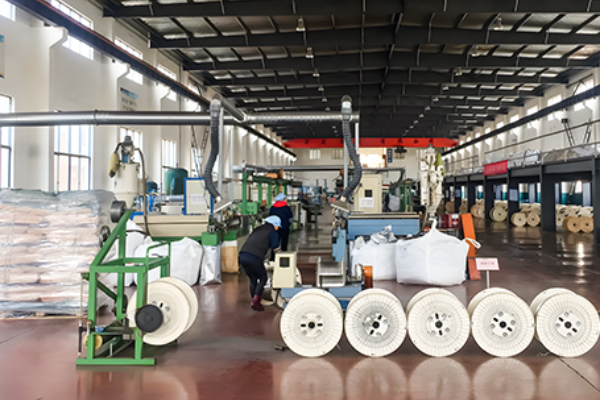
01 Established in 2006
Our cable business is based in Shanghai and focused on renewable-energy electrical applications.
02 OEM project review
We align cable construction, marking, packing, and document requirements with the written order.
03 40+ export countries
Our international supply experience supports distributor, engineering procurement, and project documentation workflows.
PV-CQ, HCV and Project Boundaries
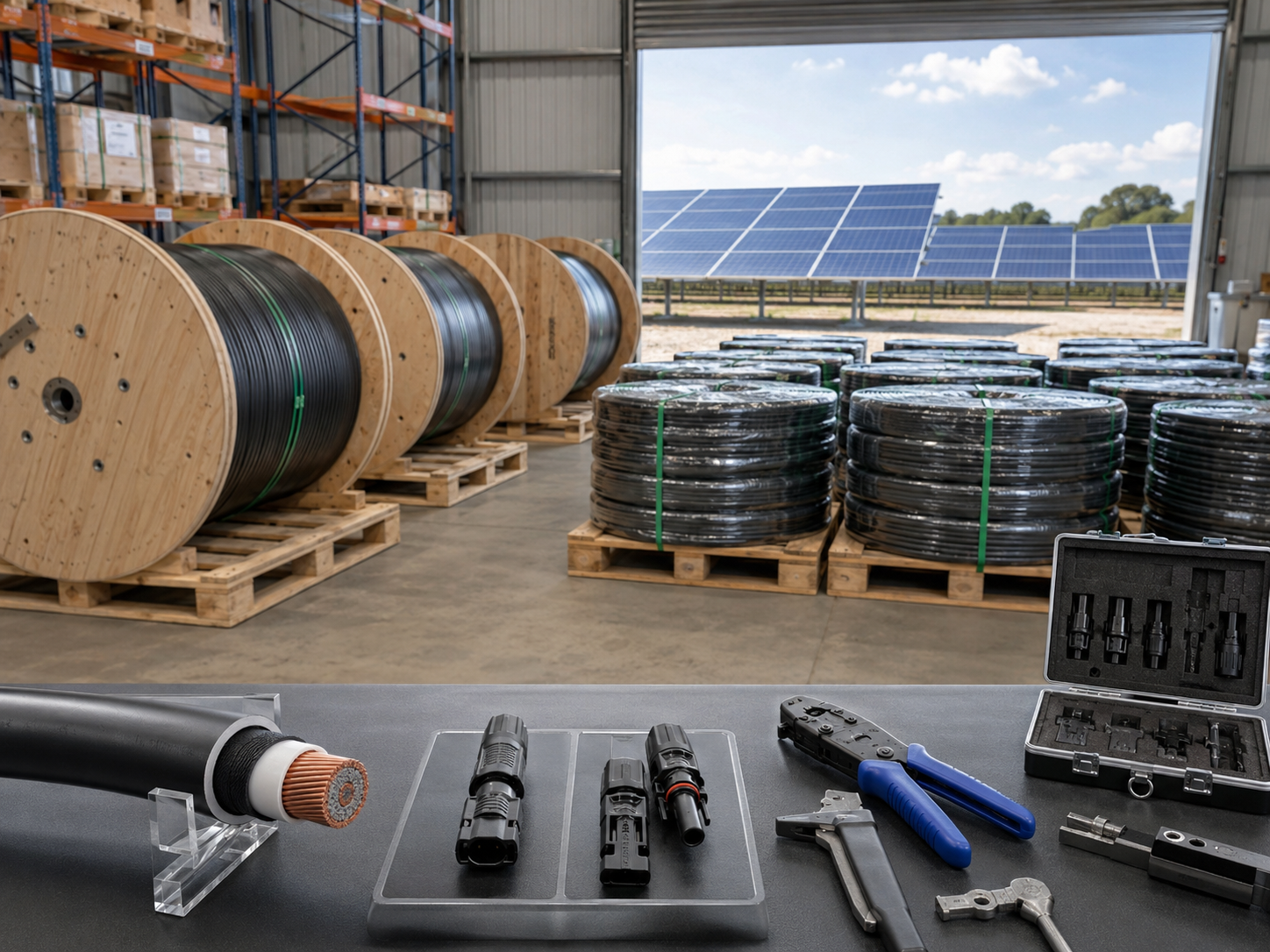
Unlike a generic Japanese-standard label, PV-CQ and HCV should not be treated as interchangeable bill-of-materials designations; JET separately defines DC 1500 V and DC 750 V-or-below certification categories. A certificate label is not always a complete approval decision and is not a substitute for an order-level scope check. Connector mismatch and poor termination require separate checks even when the cable itself is correctly specified, so approving by badge alone is the wrong choice; where to look instead is designation, construction, model scope, marking, project route, connector mating, and termination tooling.5
| Situation | Why it does not fit this page | Next step |
|---|---|---|
| The bill of materials specifies HCV or another designation | This page covers Jinyou’s PV-CQ supply route; JET also recognizes distinct photovoltaic-cable categories, so another designation needs its own evidence review. | Send the exact designation and project standard for a separate construction and document check. |
| A PSE, S-JET, TUV, UL, CE, IEC, or EN requirement is specified | Those standards, schemes, and labels are not interchangeable with the S-JQA certificate image reviewed for this page. | List the required issuer, standard or scheme, model, and document in the enquiry. |
| The project route falls outside the stated Article 46 conditions | A cable product page cannot approve the installation or remove the controlled-access and voltage review. | Have the project engineer or authority confirm the route, then send the accepted cable requirement. |
| The requested size is outside 2.0–8.0 mm² | The reviewed certificate image shows that conductor-size range. | Request a different model or certificate-scope review before quotation. |
Japanese Standard Solar Cable Engineering Tools
PV CQ Approval Pack Comparator
Compare compliance metrics and quality documents against Japanese JIS standards. Ensure your project meets local certification requirements.
Open Tool
Solar Cable Voltage Drop Estimator
Calculate expected voltage drop for DC circuits. Verify if conductor size and route length maintain system efficiency.
Open Tool
Japanese Solar Cable RFQ Input Builder
Generate accurate technical specifications for your Request for Quotation. Streamline procurement with standardized cable parameters.
Open Tool
FAQ: Japanese Standard Solar Cable
What is a PV-CQ cable?
PV-CQ is a Japanese photovoltaic-cable designation used for project and product approval. For procurement, the name should be matched with the insulation-and-sheath construction, voltage, conductor size, marking, and certificate model rather than treated as a generic solar-cable synonym.
Is S-JQA the same as PSE?
No. JQA describes S-JQA as a voluntary safety and electromagnetic-compatibility approval scheme, while PSE applies to categories governed by Japan’s Electrical Appliances and Materials Safety Act.
Which sizes appear in Jinyou’s certificate image?
The reviewed certificate image shows 2.0–8.0 mm² for models PV-CC and PV-CQ at DC 1500 V. Your quotation should identify the exact size and model requested.
Does the 125°C certificate line mean a 125°C operating environment?
The page does not make that inference. It records 125°C only as the certificate rating line and keeps the legacy operating range of -40°C to +90°C as a separate product-page field.
What does Article 46 mean for a cable order?
METI’s published context describes conditions that include controlled access and use voltage at or below DC 1,500 V. The project engineer still has to confirm the installation route and current requirements.
Can Jinyou provide custom marking and packing?
We review requested marking, colour, roll or drum length, and OEM presentation in the quotation. Recorded packing lengths include 100 m and 200 m rolls plus 100 m, 500 m, and 1,000 m drums.
What information is needed for pricing?
Send the designation, conductor size, quantity, packing length, marking, destination, required documents, and required date. That gives procurement teams a consistent basis for comparing solar cable supplier quotations.
What lead time should buyers plan for?
Production is scheduled at 25–35 working days after specification, packing, and quantity approval. The final date is confirmed in the written quotation.
Which documents can be requested with shipment?
List the certificate copy, model annex, packing identity, and Lot-linked test documentation you need in the enquiry. We scope the available document set in the quotation before the order is released.
Can PV-CQ be replaced by HCV in the bill of materials?
Not without a fresh review. Another designation may follow a different construction or approval category, so the project requirement and corresponding documents must be checked before substitution.

