Get in touch with JINYOU Cable Company

-
CALL US +86 181 1623 2461
-
EMAIL sales@jinyougroup.cn
Solar Cable Standards for EN 50618, UL 4703 and TÜV Projects
JINYOU Cable helps engineering, procurement and project teams turn a solar cable standard into a usable approval file: destination-market route, PV DC role, model identity, test documents, marking and installation fit.
Use this page to brief a standards-to-document fit review before a purchase order. Confirm exact model scope, issuer, validity and production status against the file set.
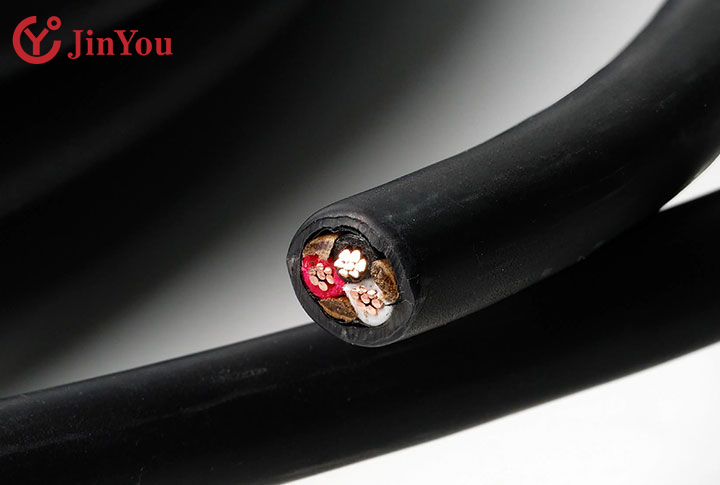
JINYOU solar/PV product asset; confirm the selected model and evidence scope for each project.
At a glance
A clear handoff from standard name to approval file
A useful EN 50618 or UL 4703 pack links model, market route and installation decision; standards are not interchangeable. Mismatch can delay approval and create rework on a 1,500 V DC route.
Review focus
Market, DC role and standard
Evidence focus
Model, size, voltage, marking, issuer
Project focus
Rooftop, utility, storage or EV
Next step
Share files for technical review
Solar Cable Standards by Region and Project Stage
JINYOU Cable designs and manufactures high-performance cables and integrated electrical systems for renewable-energy applications. Its profile describes custom OEM support, Shanghai production and testing systems; the checkpoints below separate market acceptance from the cable model and its evidence.
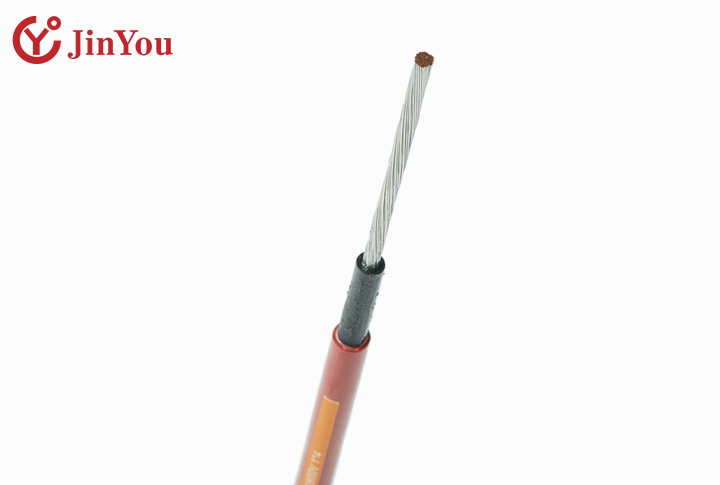
SYS. IMG. SENSOR
01 / CHECKPOINT
Market and standard mapping
Separate EN 50618 cable, IEC 62930 and UL 4703 PV wire routes by destination market, cable construction and PV DC use.
02 / CHECKPOINT
Model-to-document matching
Match the exact model, conductor size, voltage, insulation, sheath, marking and certificate or report reference before approval.
03 / CHECKPOINT
OEM file preparation
Organize datasheets, declarations, test evidence, revision history and traceability notes for the people who will quote, install and accept the cable.
STANDARD COMPLIANCE ROUTING MATRIX
DOC-ID: JY-PV-STD-4703
| Route | Document question | Do not assume |
|---|---|---|
| EN 50618 / IEC 62930 | Is the cable construction and PV DC role inside the named scope? | A regional construction or fire obligation is covered automatically. |
| UL 4703 PV wire | Does the mark, model, size, voltage and production scope match the US request? | North American and Canadian acceptance are identical. |
| TÜV route | Does the certificate identify the exact model, issuer, validity and factory scope? | A provider logo proves every reel or product family. |
Not always interchangeable: the correct standard route depends on the project authority, the cable role and the model evidence.
EN 50618 Cable:
H1Z2Z2-K Documentation Path
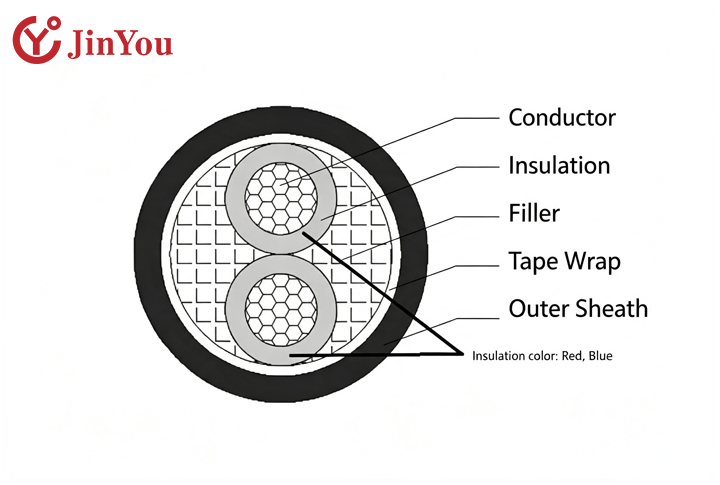
The EN 50618 certificate label cannot answer every installation question. Request material and construction fields so engineering can compare the cable with its document scope, including halogen-free or low smoke zero halogen requirements and whether the conductor is tinned copper.
| Field to review | What the buyer should see | JINYOU handoff |
|---|---|---|
| Conductor | Conductor type, class, size and drawing reference | Confirm against the model datasheet |
| Insulation/Sheath | Material family, temp context and halogen statement | Confirm against project and market route |
| Marking | Print legend, standard reference, voltage & traceability | Check sample marking against the file set |
| Termination | Interface, polarity and compatibility notes | Review with the installation drawing |
SYS.RENDER_PASS
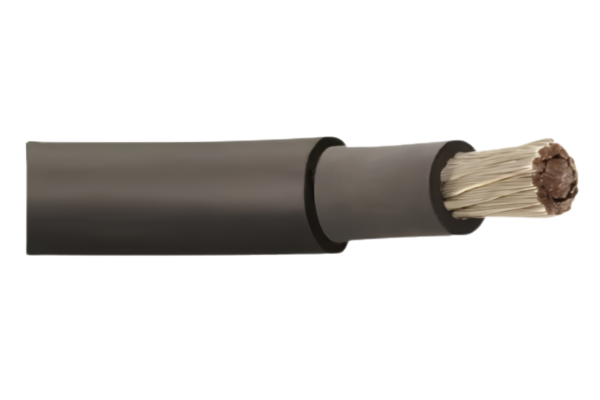
TÜV document route
TÜV-Certified Solar Cable:
What to Request
RoHS and REACH declarations answer material questions; an EN 50618 or UL 4703 certificate or test report answers a defined standard scope. A stale certificate can trigger rejection, delay and liability because program scope, factory mark and revision can differ.
Document identity
- Issuer and document number
- Named model, size and voltage range
- Issue date, revision and validity status
Production continuity
- Factory or production-site scope
- Marking and batch traceability
- Surveillance, follow-up or change-control
The trade-off is simple: a broad badge is not the right answer when the document scope is narrower. Request a model-scope check when the file set leaves an open question.
TÜV_VERIFY_SCAN
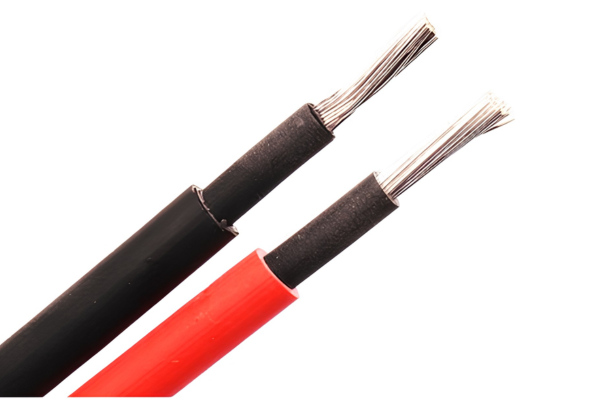
UL 4703 PV Wire for North American Projects; Canada and CSA Review
The Solar Document-Fit Map starts with the buyer’s destination market, then checks the PV DC role, construction and model evidence. The figures below are source-scope reference points, not a JINYOU model specification.
| Reference point | Published scope | How to use it |
|---|---|---|
| IEC 62930 PV DC voltage | Up to 1.5 kV DC | Check the route |
| IEC 62930 conductor temp | 90 °C continuous | Compare thermal design |
| EN 50618 flexibility | Class 5 flexible | Check construction |
| EN 50618 cross-section | 1.5–240 mm² range | Check certificate size |
| IEC 62930 broader range | Up to 400 mm² range | Do not transfer without evidence |
| RoHS cable context | Cables fall within restrictions | Request current declaration |
| REACH Article 33 | Duty above 0.1% w/w list | Ask for material statement |
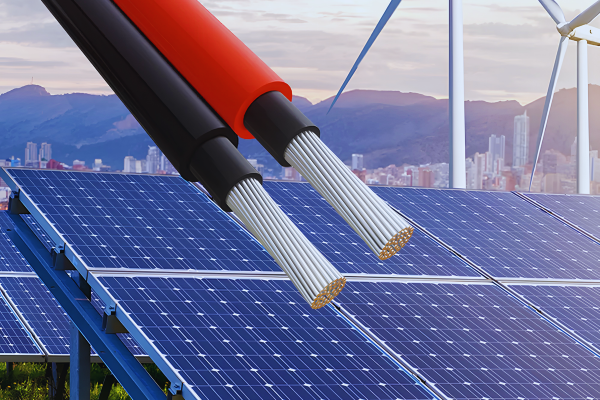
United States route
UL 4703 PV wire is a separate route; ask whether the mark, model and production location match the acceptance requirement for the project.
Canada and CSA route
CSA C22.2 No. 271 and the Canadian Electrical Code create a separate review. One combined C/US mark is possible only when the applicable evaluations and markings are obtained.
RFQ vocabulary to confirm
Solar panel and PV system RFQs may specify solar cable, PV cable, solar wire or DC cable to connect solar panels to an inverter, conduit or charge controllers. Check cable types, voltage drop, voltage rating, compatibility, installation, solar installations, rooftop installations, PVC, cross-link, XLPE and copper conductors against the drawing.
- Wiring route and wiring separation
- Wiring bend radius and wiring support
- Wiring label, polarity and termination
Vocabulary Term Bank
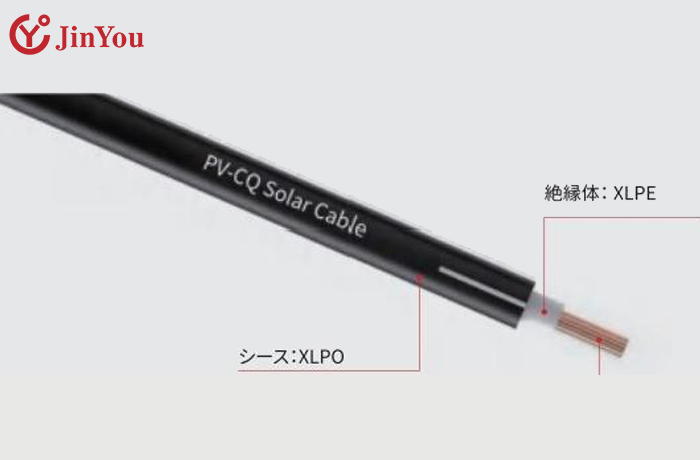
United States tenders may list UL 4703, UL 44, PV wire, photovoltaic wire, solar photovoltaic, AWG, 600V, 10 AWG and AWG sizing, Type PV, direct burial, sunlight resistant, UV exposure, 90°C wet, wet or dry, polyethylene, RHW-2, VW-1, VW-1 flame, USE-2, tin, cross-linked polyethylene, strand count, stranded strand construction, NEC, insulate and compliant. These are acceptance examples; confirm the exact model, marking and scope.
Solar Cable Selection Checklist for EPC and Procurement
Your EN 50618 or UL 4703 quote needs market, standard route, construction, voltage, cross-section, quantity, packing and document requirements. These inputs define the custom OEM review.
ASSET.VIEW // 50618-4703
01 // Market
Destination country and acceptance body
02 // Standard
Standard or specification named in the tender
03 // Configuration
Model, voltage, conductor size, color and route
04 // Logistics
Installation environment, quantity and delivery terms
05 // Documents
Required certificates, declarations, reports and revision level
Testing, Traceability and Document Review
For an IEC 62930 or EN 50618 route, JINYOU’s profile describes automated production and testing systems in Shanghai. Buyers should request current model-level evidence, not infer certification from a factory photograph or general statement.
P0-2 application evidence
Singapore Fire Code 2023 and DOE lifecycle guidance put conduit, conductor separation, grounding, weather-resistant enclosures and rapid-shutdown checks beside the cable decision. Offshore and floating-PV evidence adds saltwater, UV, ozone, temperature and abrasion exposure; IEC 62933-5-2 keeps battery-storage safety as a separate system route.
Identity
Model name, revision, size, voltage and marking agree across the datasheet and certificate.
Scope
Issuer, standard, factory, test basis and validity cover the cable being ordered.
Continuity
Change control, surveillance or batch traceability is addressed where the acceptance route requires it.
A model mismatch can create rejection or rework because certification program scope, factory mark and revision may differ. For a 1,500 V DC project, compare the UL 4703 or IEC 62930 reference with the exact model and current test results; request the evidence check.
Custom OEM Solar Cable Support
For an EN 50618 or UL 4703 OEM request, start with available files; the review identifies missing fields before a quote or approval decision is final.
Step 1
Share market, standard and project role.
Step 2
Share model, drawing, size and voltage.
Step 3
Match certificate, report and declarations.
Step 4
Check marking, traceability and installation fit.
Step 5
Agree the RFQ scope and next technical action.
Low-friction offer
Upload a datasheet or drawing for a model-field and certificate-scope check.
Project offer
Share installation environment and quantity for technical guidance before quotation.
Custom OEM
Solar Cable Support
For an EN 50618 or UL 4703 OEM request, start with available files; the review identifies missing fields before a quote or approval decision is final.
Fast Track
Low-friction offer
Upload a datasheet or drawing for a model-field and certificate-scope check.
Solution Track
Project offer
Share installation environment and quantity for technical guidance before quotation.
STEP 01
Share market, standard and project role.
STEP 02
Share model, drawing, size and voltage.
STEP 03
Match certificate, report and declarations.
STEP 04
Check marking, traceability and installation fit.
STEP 05
Agree the RFQ scope and next technical action.

When a document pack is not ready to approve
A transparent “not yet” protects a project better than a broad claim. Use the gap to ask for one evidence item or technical clarification.
Engineering acceptance rule for an EN 50618 route: a standard name is not a substitute for model, marking and traceability evidence.
Buyer signals translated into checks
- Buyer signal: “MC4 compatibility, authentic tools and matching connectors” can decide whether a cable handoff is usable.
- Field signal: “damaged or melted connectors can shut a string down”; inspect the interface and installation route.
- Marking signal: “UL 4703 PV wire naming and 10 AWG questions” need a model, conductor and marking response.
- Route signal: “PV cable in ducting underground” adds conduit, moisture and burial checks.
- Operational signal: “connector failures create offline strings and fault exposure”; document installation controls.
- Scope signal: “a certificate title does not prove the exact model”; request validity and traceability.
Not always interchangeable: the wrong choice costs you an approval loop; the trade-off is where to look instead.
Not necessarily a certificate gap: confirm against the model and choose the right route.
Risk: the model or size is absent. Next: request the certificate scope and current datasheet.
Risk: ongoing production controls are unclear. Next: ask about marking, surveillance and change control.
Risk: the acceptance body may require a different mark or scope. Next: confirm the destination-market route before ordering.
Technical Evaluation & Document Tools
Solar Document Fit Check
Evaluate solar cable documentation against project-specific installation requirements and structural specifications.
PV Standard Scope Check
Verify if your selected PV cable model strictly aligns with the required EN 50618 or UL 4703 standard scope.
RFQ Document Pack Builder
Compile and generate technical document packages required for formal OEM and project purchasing RFQs.
Look for issuer, standard, model, size, voltage, production site, validity and marking or traceability references.
No; related photovoltaic uses do not make their construction language or published scope interchangeable.
UL 4703 is a United States photovoltaic wire route; confirm mark, model, size, voltage and production scope.
A certificate communicates a defined conformity scope; a test report records results for a stated sample and basis.
No; material obligations and technical safety or performance evidence are separate file roles.
A photo supports product discussion but cannot prove current model scope; share the datasheet and document references.
Send market, standard, model, voltage, size, environment, quantity and any acceptance-body instruction.
Yes, as a custom OEM discussion whose file list follows the agreed construction, market route and testing basis.

