Get in touch with JINYOU Cable Company

-
CALL US +86 181 1623 2461
-
EMAIL sales@jinyougroup.cn
ISO Certified
EV Charging Cable
EV Charging Cable Manufacturer for Project-Specific Cable Construction
Build an EV charging cable specification around the electrical load, charging interface, installed length, handling route and target-market evidence your program actually requires. Jinyou Cable reviews custom construction inputs against a published EV-RS90S90 reference family.
Published reference family
EV-RS90S90
Rated voltage
450 V AC / 750 V DC
Type B ambient range
−40°C to +105°C
Mismatch between a reference value and the actual duty creates an approval risk. Use these three facts as a starting point, then complete the project specification.
Send Your Cable Requirements
Summary: EV Charging Cable Manufacturing at a Glance
3D
Published bend reference
We specify a minimum bending radius of 3D, where D is the cable outer diameter.
1.5–120 mm²
Construction reference span
Our published construction tables span nominal conductor cross-sections from 1.5 mm² to 120 mm².
24 hours
Enquiry response
We respond to enquiries within 24 hours.
EV Charging Cable Manufacturing Scope
We manufacture EV charging cables for connections between charging piles and electric vehicles. That boundary covers the flexible cable carrying power and, where the approved construction calls for it, related conductors between charging equipment and the vehicle-side connection.
The correct solution starts with the system route. A home charger, public charging point, portable EV charger, Level 2 charging installation or DC charger program may use different current, connector, flex, environment and evidence requirements. A familiar plug name does not define the complete cable.
Specify these before comparing suppliers
- AC or DC charging duty
- Rated voltage and continuous load
- Required amp rating
- Connector or unterminated supply form
- Cable length and routing
- Minimum ambient temperature
- Flexing and bend conditions
- Target market and evidence basis
Jinyou EV Charging Cable Configurations and Specifications
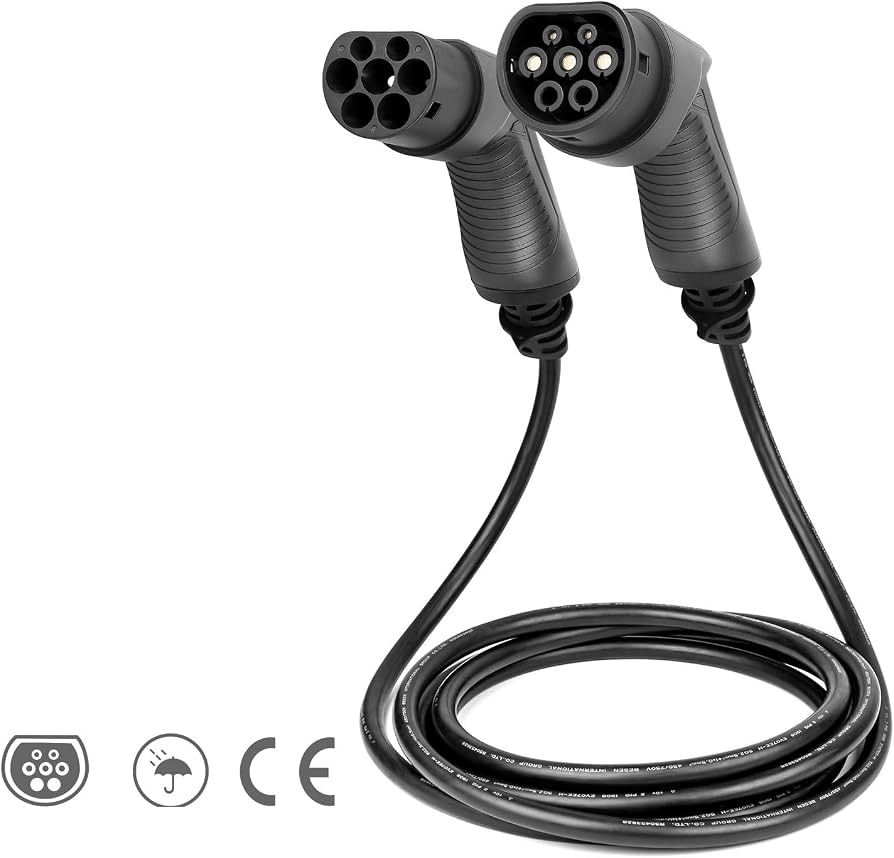
Our published reference model is EV-RS90S90. We publish a 450 V AC rating for the EV-RS90S90 reference family. We publish a 750 V DC rating for the EV-RS90S90 reference family.
The EV Charging Cable Construction Reference Matrix below is a selected construction reference, not an automatic part-number selector. Each row binds nominal cross-section to conductor stranding, resistance, insulation, sheath and finished outer diameter. Final current, connector compatibility and target-market acceptance still need a project review.
Specification mismatch occurs because cross-section alone cannot define the finished cable. Jinyou Cable provides the published matrix so the RFQ can tie each numeric reference to a complete construction and acceptance basis.
| Nominal cores × mm² | Wires / nominal diameter (n/mm) | Maximum conductor diameter (mm) | DC resistance at 20°C (Ω/km) | Insulation (mm) | Sheath (mm) | Outer diameter, min–max (mm) |
|---|---|---|---|---|---|---|
| 3 × 1.5 | 80 / 0.15 | 1.80 | 13.3 | 0.8 | 1.8 | 11.6–14.9 |
| 3 × 2.5 | 140 / 0.15 | 2.20 | 7.98 | 0.8 | 1.9 | 12.6–16.1 |
| 3 × 4 | 209 / 0.15 | 2.80 | 4.95 | 1.0 | 2.0 | 14.4–18.4 |
| 3 × 6 | 189 / 0.21 | 3.40 | 3.3 | 1.0 | 2.2 | 15.8–20.2 |
| 4 × 2.5 | 140 / 0.15 | 2.20 | 7.98 | 0.8 | 2.0 | 13.7–17.5 |
| 4 × 6 | 189 / 0.21 | 3.40 | 3.3 | 1.0 | 2.3 | 17.5–22.2 |
| Nominal cores × mm² | Wires / nominal diameter (n/mm) | Maximum conductor diameter (mm) | DC resistance at 20°C (Ω/km) | Insulation (mm) | Sheath (mm) | Outer diameter, min–max (mm) |
|---|---|---|---|---|---|---|
| 5 × 2.5 | 140 / 0.15 | 2.20 | 7.98 | 0.8 | 2.1 | 14.9–19.0 |
| 5 × 6 | 189 / 0.21 | 3.40 | 3.3 | 1.0 | 2.5 | 19.3–24.5 |
| 2 × 10 | 322 / 0.21 | 4.5 | 1.91 | 1.0 | 2.3 | 17.1–21.7 |
| 2 × 16 | 512 / 0.21 | 6.3 | 1.21 | 1.0 | 2.5 | 19.8–25.1 |
| 2 × 70 | 2294 / 0.21 | 12.5 | 0.272 | 1.4 | 4.2 | 37.1–46.8 |
| 2 × 120 | 3920 / 0.21 | 16.5 | 0.161 | 1.6 | 5.0 | 46.2–58.1 |
Electrical and Environmental Performance
EV Charging Cable vs Automotive High Voltage Cable
VS
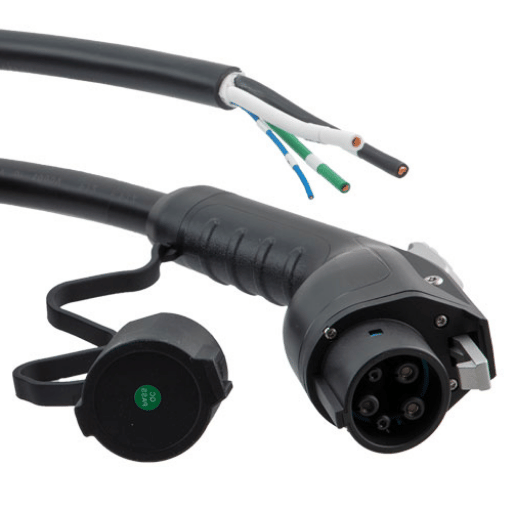
EV charging cable
Use this route when the cable runs from charging equipment to the vehicle. The brief should identify the charger or charging point, AC or DC duty, connector interface, length, environment and handling cycle.
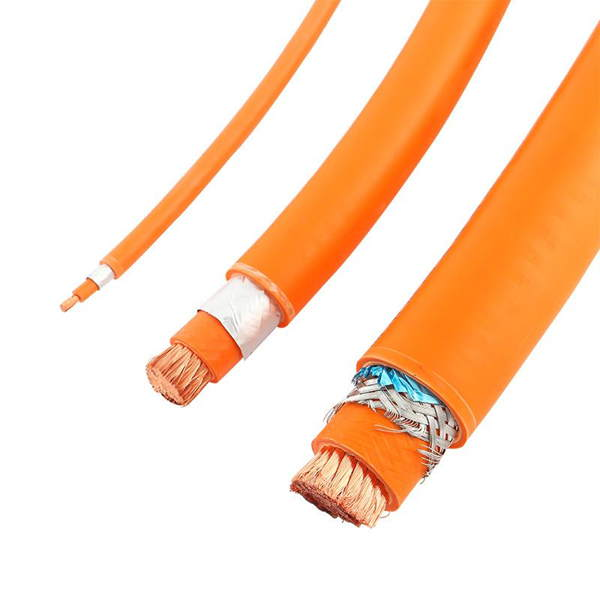
Automotive high voltage cable
Use a separate in-vehicle EV HV cable route when the cable is installed inside the vehicle between traction-system components. Automotive high voltage cable design involves a different physical route, packaging environment and qualification basis.
ANALYSIS CONCLUSION
Search phrases such as EV high voltage cable and EV HV cable can describe either category, but the two products are not interchangeable. Unlike an in-vehicle cable assembly, an external charging cable is handled on every connection cycle. The trap is using one keyword label to bypass this route check. Treating an external charging route and an in-vehicle route as one specification creates a category mismatch. The deciding question is physical: does the cable connect external charging equipment to the car, or does it stay inside the vehicle? For an in-vehicle traction-system route, use the separate EV high-voltage cable product page instead of this charging-cable specification path.
Quality and Target-Market Specification Confirmation
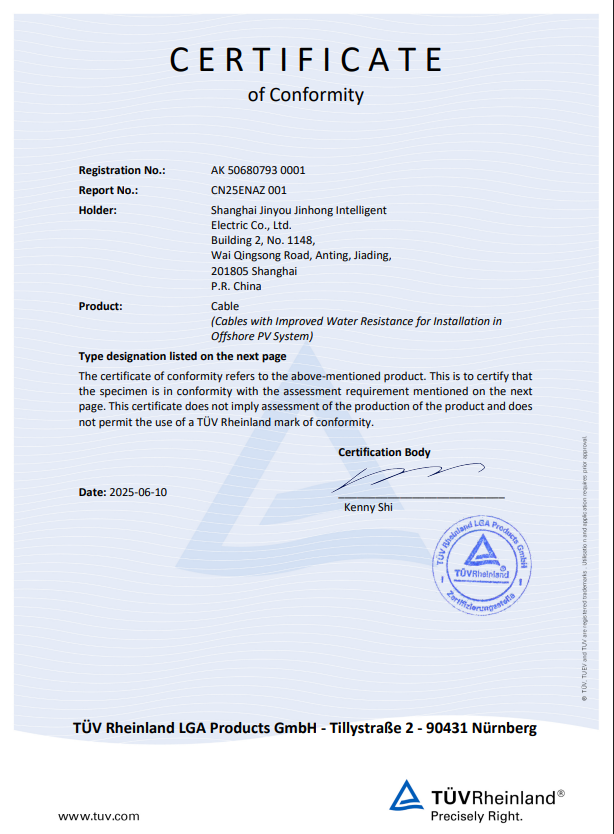
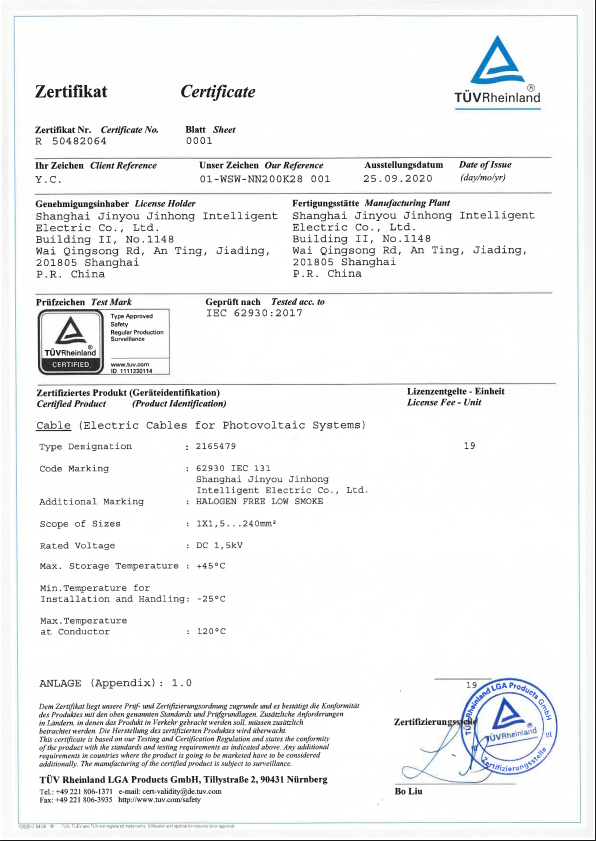
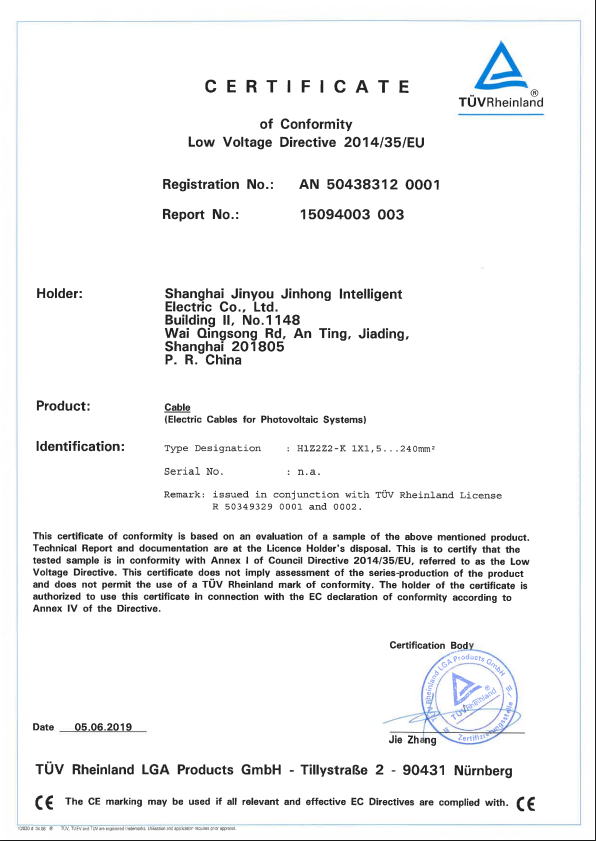
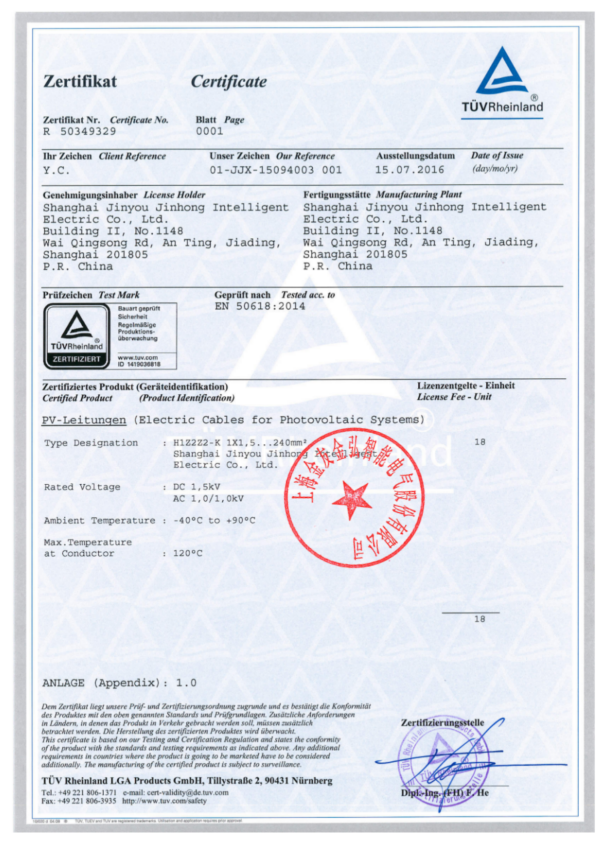
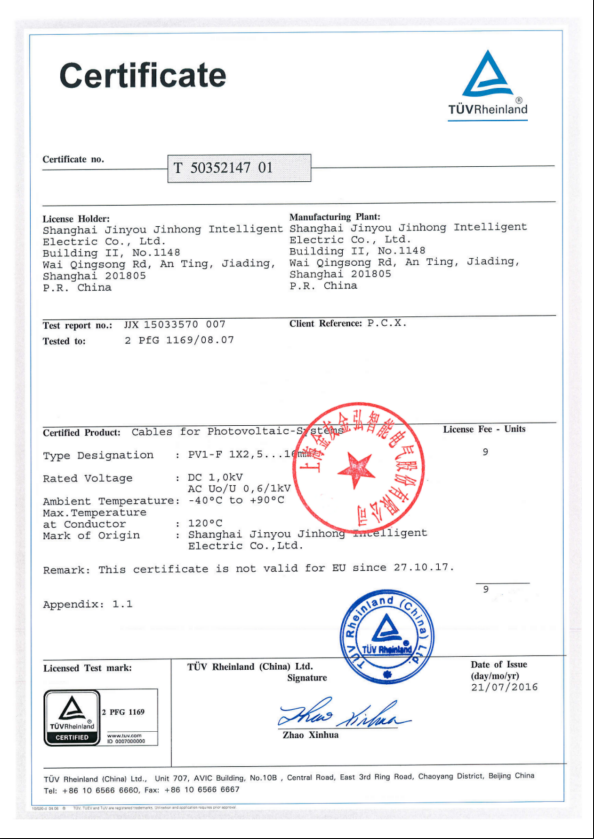
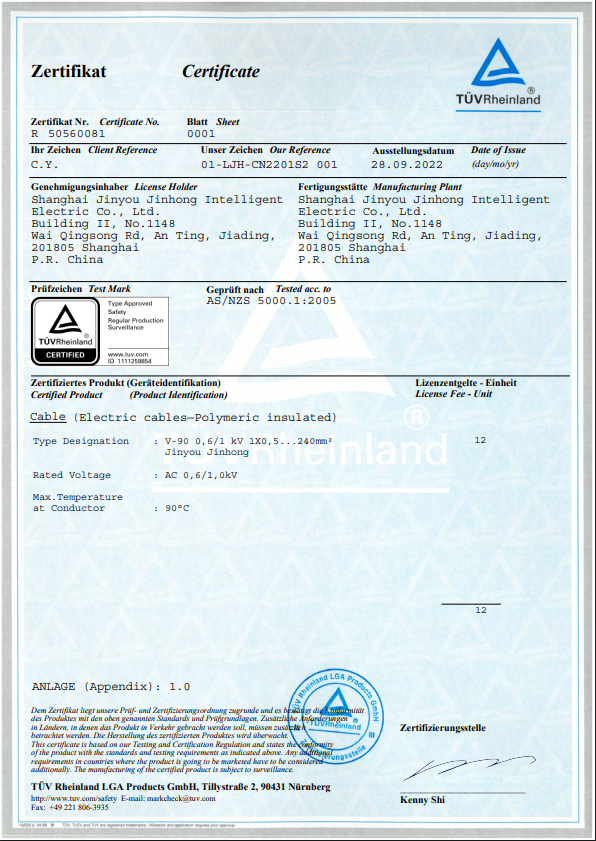
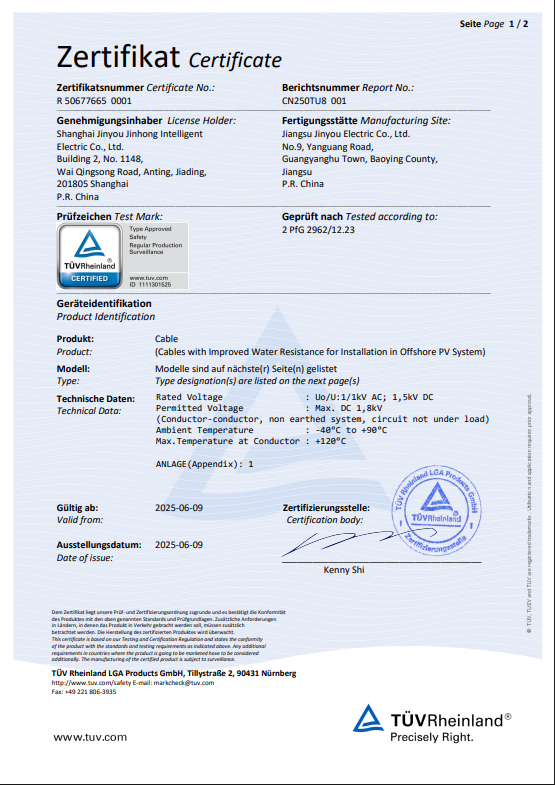
IEC 62893-1 defines an industry scope for flexible charging cables used between a charging-station supply point and an electric vehicle or plug-in hybrid. IEC 62893-3 separates AC charging-cable requirements, while IEC 62893-4-1 addresses Mode 4 DC cable without a thermal-management system. UL identifies UL 2263 as an electric vehicle cable category.
SAE J1772 defines a conductive charging interface context for North American programs. These names are specification inputs, not interchangeable labels and not automatic proof for a Jinyou configuration.
Define applicability
Name the country, charging mode, interface, voltage/current envelope, environment and intended supply form.
Define evidence
List the standard edition, test items, sample construction, report format, marking and release criteria required by your program.
Approve the same object
Make sure the quoted construction, test sample, production drawing and delivered cable share the same controlled specification.
×
![Zoomed Image]()
How We Work: Custom OEM Project Workflow
01
Requirement intake
Share the 12-field brief, target market, drawing status and open decisions.
02
Construction review
Compare electrical, dimensional, material, flex and evidence requirements with a feasible cable design.
03
Approval basis
Freeze the drawing, referenced standards, test scope, cable-end condition and acceptance documents.
04
Quote and handoff
Align quantity, packaging and delivery destination with the approved technical scope.
EV Charging Cable Engineering & RFQ Tools
01
Engineering Tool
12-Field EV Charging Cable RFQ Builder
Complete what you know. The builder shows open decisions and creates a copy-ready specification brief in your browser.
02
Engineering Tool
EV Charging Cable Construction Reference Lookup
Select one published construction row. The result is a reference for an RFQ, not an automatic current or connector approval.
03
Engineering Tool
Charging Cable vs Automotive HV Cable Selector
Select where the cable physically runs. This prevents two different product families from entering the same RFQ.
FAQ
EV Charging Cable FAQ
01.
Are all EV charging cables compatible with every vehicle?
No. Compatibility depends on the charging system, connector interface, AC or DC duty, target-market specification and vehicle/charger architecture. Put the exact interface and system requirement in the RFQ.
02.
What cable is recommended for an EV charger?
The recommendation should follow rated voltage, current, phase, charging mode, connector, length, ambient condition, flex duty and evidence basis. “EV charger cable” alone is not a complete specification.
03.
What cable length should I request?
Use the shortest practical length that still serves the real parking and routing envelope. Review voltage drop, mass, storage, trip exposure and handling before approving a longer cable.
04.
Can the reference cable be used for 32A Level 2 charging?
32A is only one input. The construction must also be reviewed for voltage, phase, conductor arrangement, connector, environment, length and the required market evidence. Submit the complete system brief for confirmation.
05.
Does 750 V DC mean the cable supports high-power fast charging?
No. Voltage rating is not a current or power rating. High-power DC work also depends on continuous current, duty cycle, heat, conductor area, connector and any thermal-management architecture.
06.
How are IEC 62893, UL 2263 and SAE J1772 used in an RFQ?
Name the standard or interface only when it applies to the target market and product scope. Then specify the edition, test evidence, construction and acceptance documents required for the purchased configuration[3].
07.
Is an EV HV cable the same as an EV charging cable?
Not always. A charging cable runs between external charging equipment and the vehicle. An automotive HV cable usually runs inside the vehicle between high-voltage components. The two routes need separate specifications.

