Get in touch with JINYOU Cable Company

-
CALL US +86 181 1623 2461
-
EMAIL sales@jinyougroup.cn
Robot Cable Manufacturer — 12 Published Product-Code Families from 0.14 to 6 mm²
Build the cable around the motion, conductor layout and installation envelope your machine actually uses. Jinyou publishes robot cable and industrial special cable families for fixed and continuous-flex installation conditions; repeated-flex or torsional duty requires construction-specific capability confirmation.
- Enquiry response within 24 hours
- 12 published product-code families
- 0.14-6 mm² published range
- 1-20 cores plus paired designs
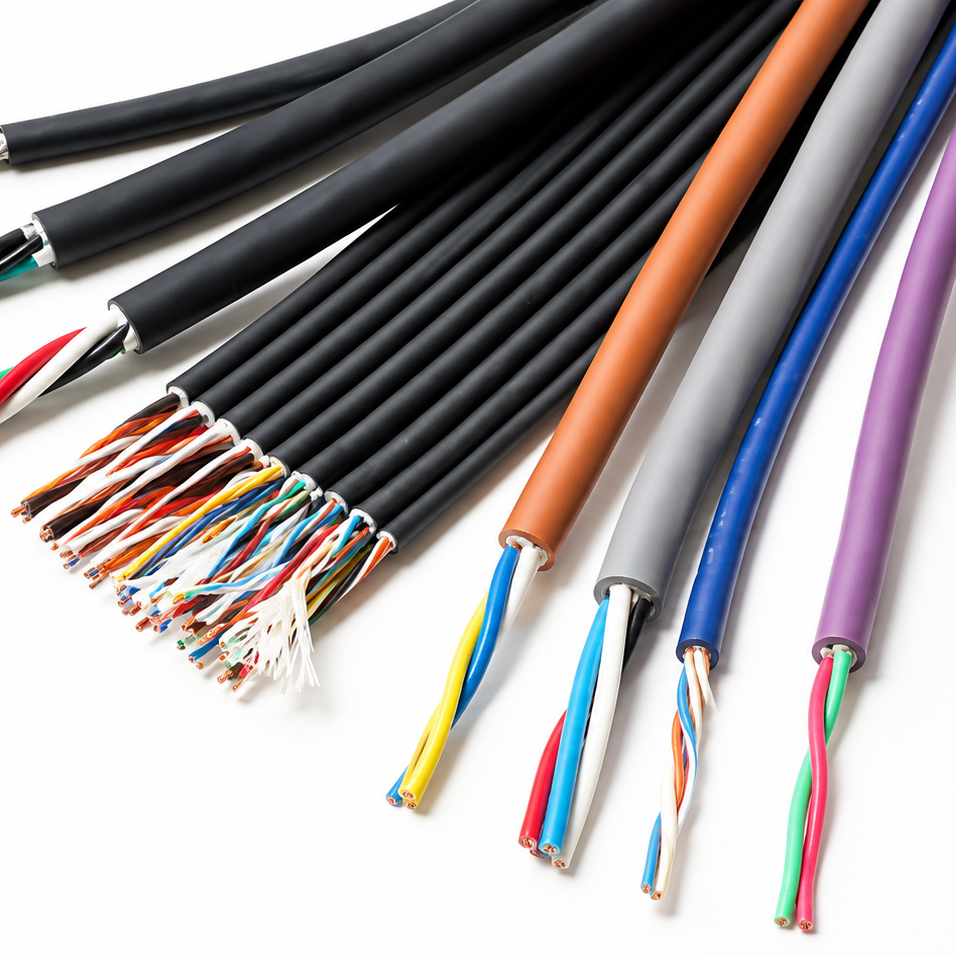
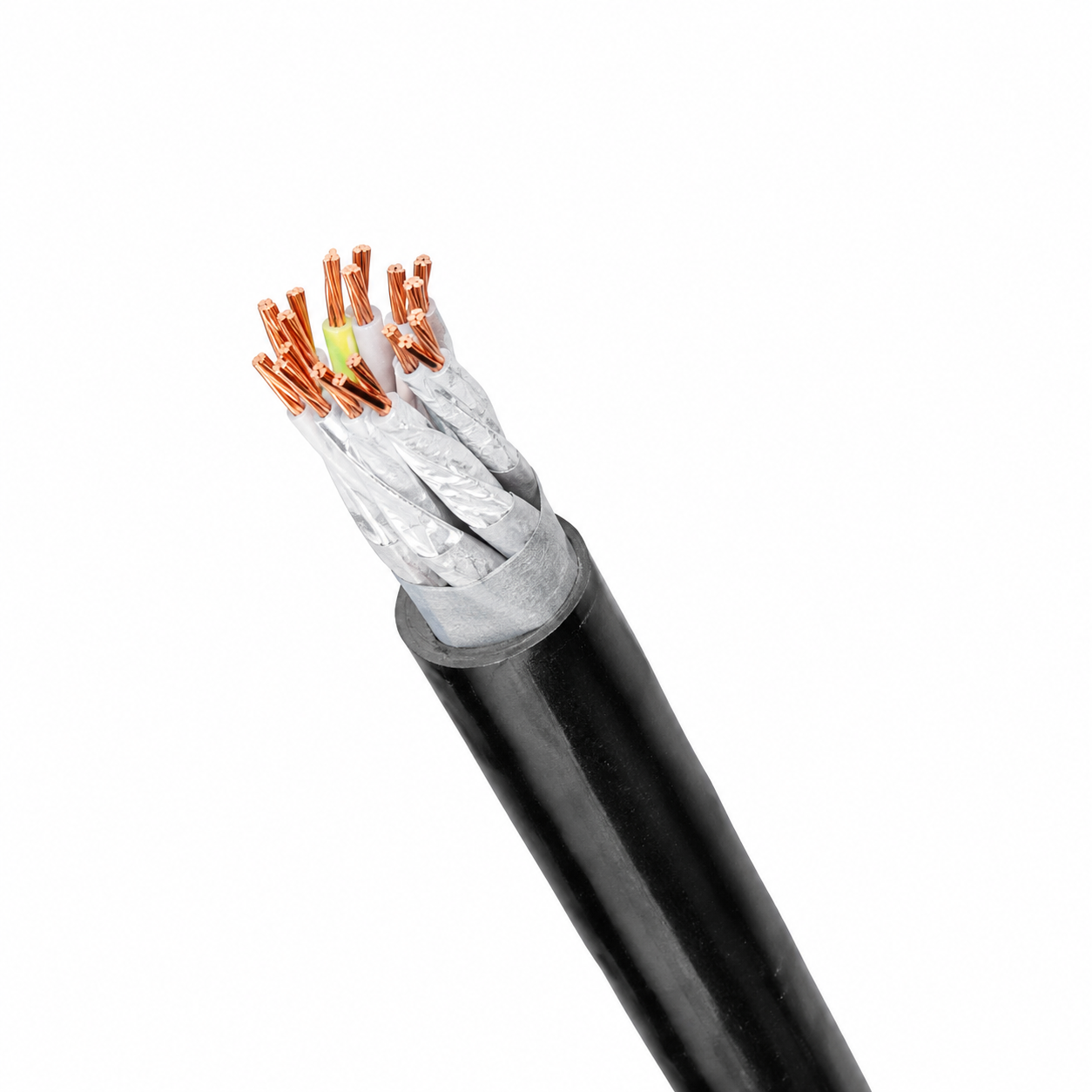
Start with the conductor layout, dimensions, electrical duty and motion envelope. Add a drawing, part number or written specification when available.
Robot Cable Capabilities at a Glance
12 families
YY and RO-F product-code groups published for fixed and moving cable constructions
0.14-6 mm²
Published conductor cross-section envelope across the listed families
1-20 cores
Single-core, multi-core and paired layouts, including constructions up to 8 pairs
24 hours
We respond to enquiries within 24 hours.
5G-20G
Published YY1001 multi-core configuration at 0.5 mm²
2-8 pairs
Published YY1006 paired configuration from 0.14 to 0.3 mm²
Motion Classes to Define Before Robot Cable Selection
A robotic cable is selected by the motion at the installation point, not by the word “flexible” alone. Four motion classes create different stress patterns in conductor strands, insulation, fillers, shields and the outer jacket.
“Cables are often just an afterthought in work cells.” “The most common mistake is the most elementary.” These short practitioner observations point to the same specification gap: cabling is selected after the motion and tooling decisions are already fixed.
- Fixed Installed, supported and not intended to cycle
- Flexing Repeated bend around a defined route
- Continuous flex Guided travel inside a chain or track
- Torsion Twist around the cable axis during robot motion
The design priority is a stable conductor arrangement and protection against the installed environment. Give us the core count, cross-section, route, connection function and installation conditions.
Specifications
Published envelope: 1-20 cores, 0.14-6 mm²
Relevant families by construction envelope: YY1001, YY1002, YY1007, YY1008, YY2001 and YY2002
Final family is confirmed against the complete electrical and installation specification.
Bend stress is affected by conductor lay, support, route geometry and jacket behavior. Give us the minimum bend radius, travel, acceleration, cycle rate and the way the cable is anchored.
Specifications
Published envelope: 0.14-6 mm² with single, multi-core and paired layouts
Published dimensional references include: YY1006, YY2006, RO-F5001 and RO-F5005
A family code is a dimensional starting point, not a flex-life claim.
Chain-track duty adds repeated curvature, acceleration and interaction with neighboring cables. Give us the track length, travel, minimum bend radius, speed, acceleration, fill arrangement and cycle rate.
Specifications
Published envelope: includes multi-core and paired constructions
RO-FY5002: combines power-size conductors with a smaller paired element.
Track performance must be specified and verified against the duty figures supplied at quotation.
Torsional motion works the conductor bundle in a different direction from chain travel. Give us the rotation angle, active cable length, rotation rate, combined bend, restraint points and surrounding media.
Specifications
Published catalogue: includes single-core, multi-core, paired and hybrid arrangements, but no torsion rating for these family codes.
RO-FY5006: covers 3-pair and 8-pair dimensional layouts at 0.2 or 0.3 mm².
Construction capability, conductor lay and jacket requirements must be confirmed for the actual motion.
Jacket and Insulation Properties, and Why Moving Cables Fail
A flexible robot cable survives through the interaction of strand layout, conductor support, insulation, fillers and jacket—not through one material label. Research on robot-cable conductors shows that twist pattern and twist pitch can change fatigue behavior, which is why a catalog family cannot substitute for a duty-specific review.
A smaller strand is not always a longer-life answer
Finer conductors can feel more flexible during installation, but motion life still depends on lay pattern, twist pitch, support and the complete construction. The trade-off belongs in the construction review, not in a gauge-only shortcut.
| Tensile strength | 30 MPa |
| Hardness | Shore 55 |
| Tear strength | 135 N/mm² |
| Tensile modulus | 280 MPa |
| Elongation | 500% |
| Yield stretch | 27.6% |
| Tensile strength | 25-40 MPa |
| Hardness | Shore 75-95 |
| Tear strength | 35-120 N/mm² |
| Wear amount | 45-60 mm² |
| Elongation | 400-700% |
| Published flame property | UL-94 V0 |
Five construction elements that change motion behavior
-
Conductor strands
Strand diameter, grouping and lay influence how local bending strain is shared through the conductor.
-
Insulation
Insulation must move with the conductor while maintaining electrical separation under repeated mechanical stress.
-
Core arrangement
Balanced core or pair geometry helps prevent one element from taking a disproportionate share of the motion.
-
Fill and support
Support elements help the bundle keep its intended geometry as acceleration reverses.
-
Outer jacket
Jacket selection follows abrasion, media exposure, routing friction and the mechanical protection required.
-
Shield package
When signal integrity or electromagnetic compatibility matters, specify the shield need and termination method at quotation rather than assuming one universal design.
Construction Options You Specify at RFQ
The fastest quotation starts with decisions that affect both performance and manufacturability. Tell us what the application requires; we will map those inputs to a published family or a fully custom construction.
- Core count, pair count and conductor cross-section
- Power, control, signal or combined function
- Voltage and current requirements supplied by your design team
- Fixed, intermittent flex, continuous flex, torsion or combined motion
- Minimum bend radius, travel and cycle frequency
- Rotation angle and active length for torsion
- Chain or track dimensions and fill arrangement
- Speed, acceleration and anchoring
- Abrasion points and expected pulling or crushing exposure
- Required jacket compound or property target
- Temperature and indoor or outdoor condition
- Oil, coolant, water, chemicals or ultraviolet exposure
- Shield requirement and termination method
- Pairing, impedance or data-transmission requirement
- Electromagnetic interference environment
- Color, marking, reel length and packing
- Prototype, small batch or production quantity
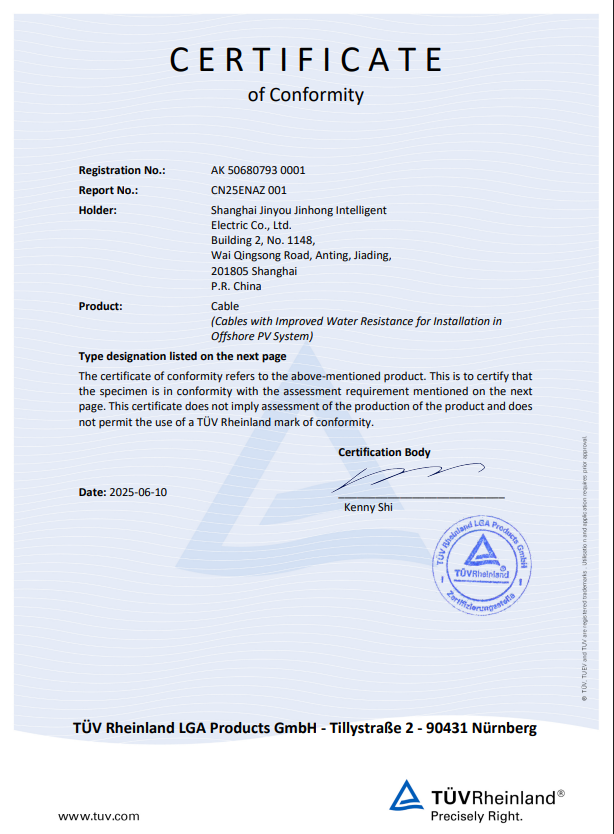
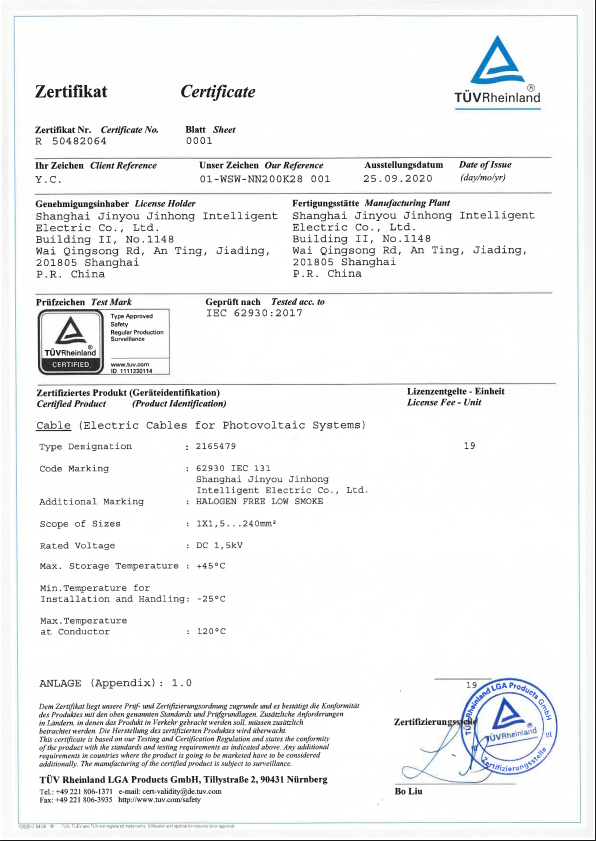
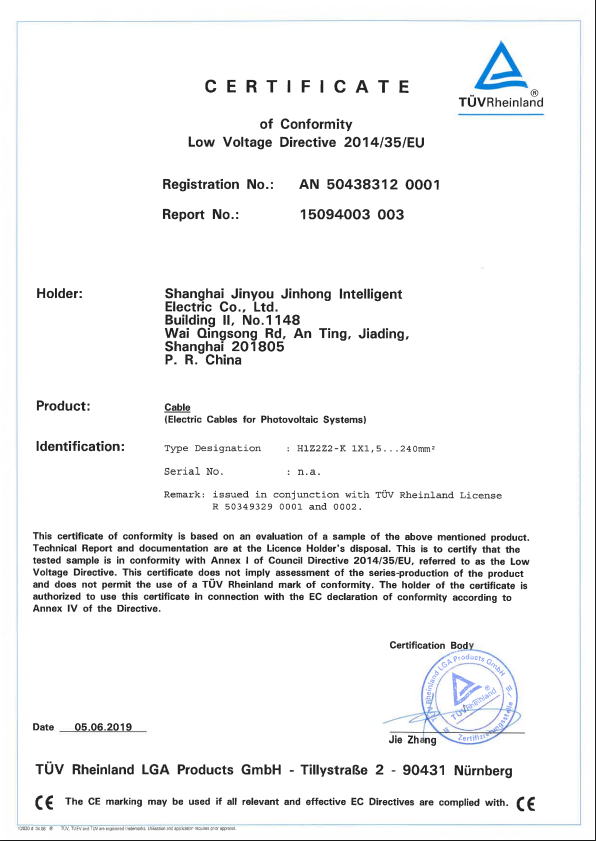
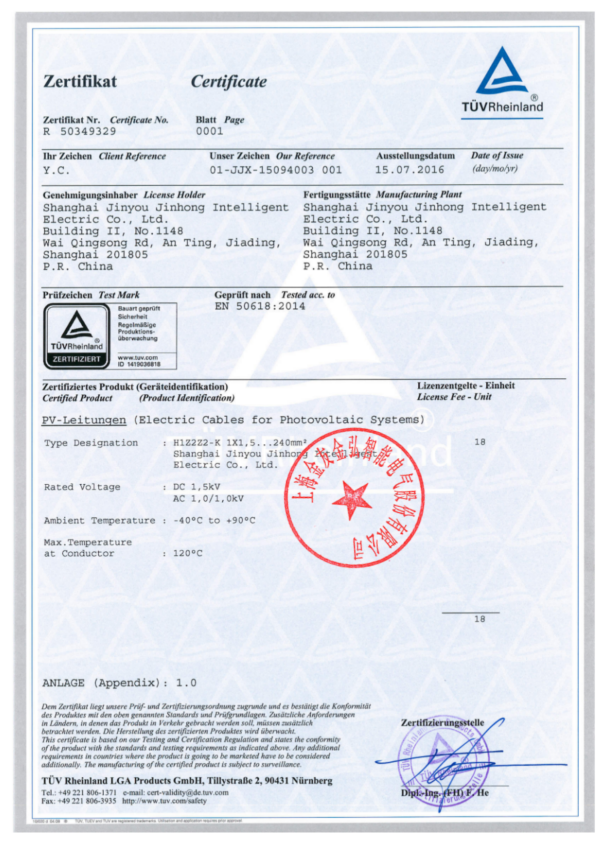
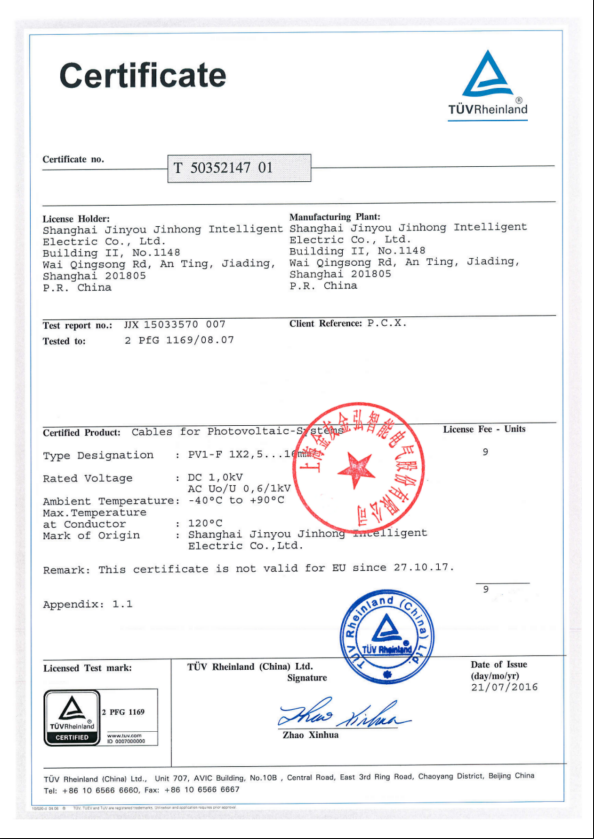
- Required technical or compliance document scope
Product Code Families: Cores, Cross-Section and Construction
The table below preserves the 12 product-code families and their published dimensional configurations. The risk is treating the nearest American Wire Gauge orientation values as identity conversions. Because Jinyou Cable publishes metric cross-sections from 0.14 to 6 mm², electrical resistance, current capacity and other ratings must be confirmed from the selected construction specification.
| Family | Published configuration | Cross-section | Nearest AWG | Published color |
|---|---|---|---|---|
| YY1001 | 5G-20G multi-core | 0.5 mm² | about 20 AWG | Gray |
| YY1002 | 2-20 cores | 0.2-0.3 mm² | about 24-22 AWG | Gray / black |
| YY1006 | 2-8 pairs | 0.14-0.3 mm² | about 26-22 AWG | Green |
| YY1007 | 2-core, 3G, 4G and mixed layout | 0.3-6 mm² | about 22-10 AWG | Orange / black |
| YY1008 | 3G or 4G | 0.5-2.5 mm² | about 20-14 AWG | Orange / black |
| YY2001 | 2-core or 4G-18G | 0.5-0.75 mm² | about 20-18 AWG | Gray |
| YY2002 | 4G | 0.5-1.5 mm² | about 20-16 AWG | Gray |
| YY2006 | 2-4 pairs | 0.2-0.3 mm² | about 24-22 AWG | Gray |
| RO-F5001 | Single core | 0.14-0.75 mm² | about 26-18 AWG | Multiple colors |
| RO-F5005 | 1-4 pairs | 0.14-0.75 mm² | about 26-18 AWG | Multiple colors |
| RO-FY5002 | 4 power cores plus 1 smaller pair | 0.5-1.5 mm² plus 0.2-0.3 mm² | about 20-16 AWG plus 24-22 AWG | Black |
| RO-FY5006 | 3 or 8 pairs | 0.2-0.3 mm² | about 24-22 AWG | Black |
G denotes a construction that includes a green/yellow protective conductor. Electrical resistance, current capacity, voltage, temperature, bend radius and cycle life must be confirmed from the final construction specification rather than inferred from the nearest-AWG column.
Quotation Inputs and Commercial Confirmation
Price follows conductor content, core or pair layout, insulation and jacket requirements, shielding, marking, reel format and order quantity. The written quotation records the offered construction, quantity, commercial terms and schedule for that enquiry.
The short-run trade-off
Small batches reduce inventory exposure, but color, stranding and marking setup is spread across fewer metres. Evaluation samples answer the construction question before a production quantity is released.

| Cost driver | Why it matters | Practical control |
|---|---|---|
| Copper cross-section and length | They drive conductor mass and material exposure. | Separate fixed and moving sections instead of over-specifying the whole route. |
| Core, pair and shield layout | More elements add stranding, insulation and process steps. | Send the real signal and power map so unused elements can be removed. |
| Jacket and environmental requirements | Compound choice and protection targets affect materials and processing. | List the actual temperature, media and abrasion conditions. |
| Color, marking, reel and batch size | Changeovers and short runs spread setup across fewer metres. | Consolidate compatible lengths and approve one marking specification. |
We respond to enquiries within 24 hours. A usable specification with the core or pair count, conductor cross-section, required length and motion duty supports the construction review and quotation.
| Order item | Information to send | Written confirmation |
|---|---|---|
| Required quantity | Total metres, reel lengths and repeat-order outlook | Applicable minimum and batch basis |
| Evaluation sample | Purpose, required length and acceptance method | Availability, fee, freight and timing |
| Production schedule | Target delivery date, destination and construction status | Lead time and schedule start point |
| Payment and delivery | Destination, trade term and purchasing requirements | Payment term and delivery basis |
Specification
Published family envelope
The listed product-code families span 0.14 to 6 mm² and include single-core, multi-core, paired and hybrid layouts.
Scale
Quantity
State both the evaluation length and expected production length. The quotation will identify the applicable minimum and reel basis.
Process
Samples and production
Sample availability and the production schedule depend on the confirmed construction and quantity. Their timing and commercial conditions will be stated in writing.
Logistics
Commercial terms
Payment, freight, delivery and document requirements are confirmed in the quotation rather than assumed from a general product page.
Inspection Scope and Order Documentation
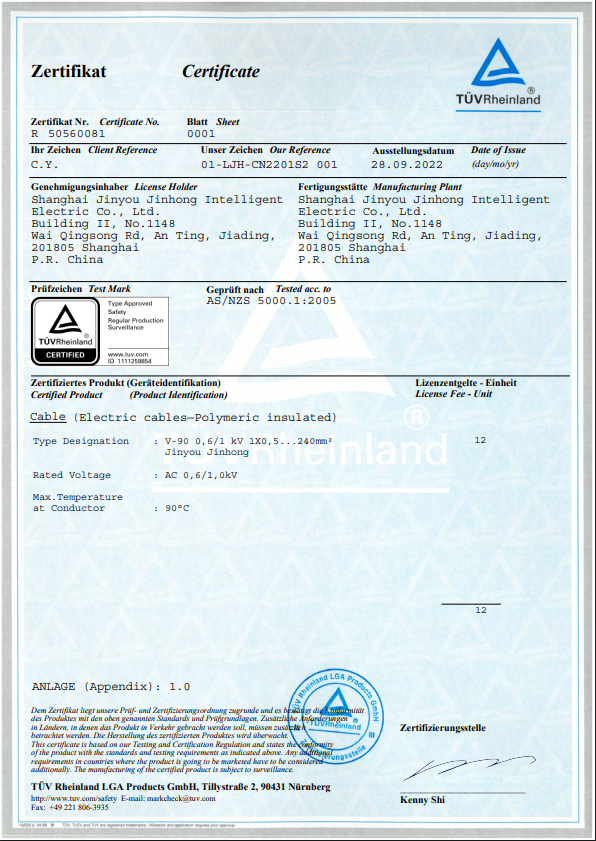
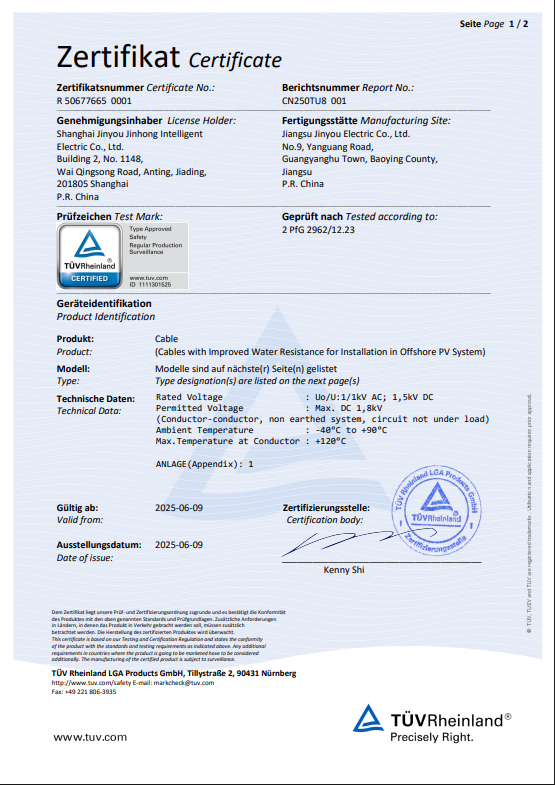
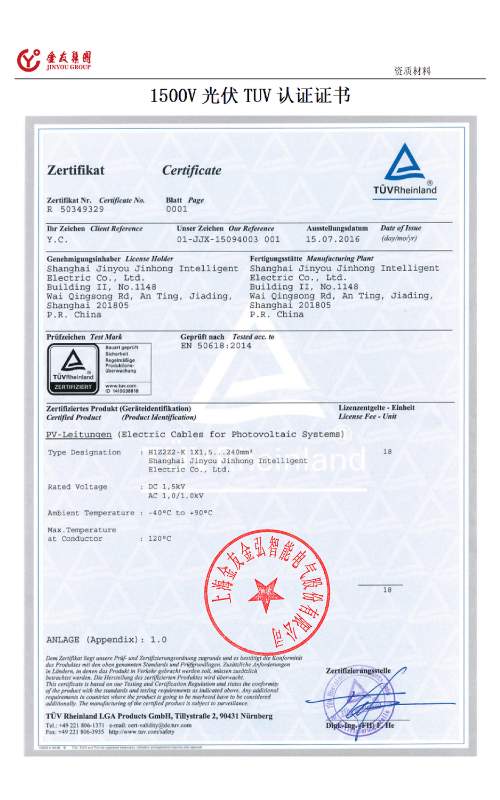
Moving-cable quality begins with a controlled specification because a generic “high flex” label does not define the bend, torsion, track or installation stress the construction must withstand. The approved construction, inspection scope and order requirements form the project-specific acceptance reference.
Order-control sequence
-
Specification review
Record the conductor layout, dimensional family, motion inputs, environment, marking and reel requirement before order release.
-
Construction confirmation
Put the offered construction and any application-specific limits in the quotation or approved specification.
-
Inspection scope
Define the required checks, acceptance criteria and evidence before production is released.
-
Document scope
List every technical, compliance, tender or customs document needed so its availability can be confirmed in writing.
Why motion inputs stay on the purchase record
Repeated-flex claims are meaningful only when the test or acceptance method identifies the motion, radius, active length, load and cycle definition. UL 5770 exists specifically as a recommended practice for evaluating cables in repeated-flexing applications, while published verification records show that results are recorded per cable model and test mode.[3][4]
From RFQ to Finished Reel
Send the input
Share the conductor layout, dimensions and duty, plus a drawing, part number or written specification when available.
Define the duty
State the electrical function, core layout, motion, bend, travel, torsion and environment.
Review the construction
We map the requirement to a published family or define the custom items that need confirmation.
Approve the quotation
Review the offered construction, price, quantity, sample basis, production schedule and payment term in writing.
Confirm the sample
When a sample is required, you approve the construction against your application and acceptance method.
Release production
Production follows the confirmed construction, length, order details and agreed handover scope.
| You provide | We can determine | Why it prevents rework |
|---|---|---|
| Core count, pair count and cross-section | Dimensional family and conductor layout | Prevents an assumed wire map from reaching the sample stage |
| Fixed, flex, continuous-flex or torsional duty | Construction review path | Separates fundamentally different mechanical stress cases |
| Bend radius, travel, speed and acceleration | Routing and motion acceptance inputs | Connects the cable review to the machine geometry |
| Rotation angle, active length and cycle rate | Torsional duty definition | Prevents a bend-only construction from being treated as a robot-wrist solution |
| Temperature, media, abrasion and outdoor exposure | Jacket-property target | Prevents a mechanically suitable layout from failing the installation environment |
| Marking, color, reel length and documents | Supply and handover package | Keeps receiving, assembly and customs requirements on the same order |
Installation details matter after the cable is selected
Industry practitioners repeatedly identify excessive tension, poor anchoring, tight routing, abrasion and ingress as causes of early robotic-cable problems. A sound RFQ therefore includes the installation envelope as well as the conductor specification.
Where These Constructions Are Specified
Jinyou Cable publishes fixed laying, continuous flexing, indoor dry or damp use, and outdoor power or control connection laying as family-level installation conditions. The correct construction still follows the electrical function, movement and environment at the actual installation point.
-
Machine tools
Moving controls, power feeds and signal paths can require different constructions across the fixed cabinet, track and moving head.
-
Industrial production
Automation cells often separate static trunk cable from repeated-flex and torsional segments.
-
Office automation
Repeated movement in compact equipment makes routing space, bend geometry and conductor layout part of the specification.
-
Data-processing equipment
Power, control and data-transmission needs should be mapped before shield and pair options are chosen.
-
Air-conditioning installation
Power and control connections may combine fixed routing with movement, moisture or outdoor exposure.
-
Refrigeration equipment
Temperature, moisture, media and mechanical movement must be stated together when the cable is selected.
Robot Cable FAQ
What is a robot cable?
A robot cable is an electrical cable whose conductor layout, insulation, support and jacket are selected for a defined robotic motion and environment. The term alone does not specify flex life, bend radius or torsion capacity.
What is the difference between flexible, continuous-flex and torsional cable?
Flexible describes the ability to bend, continuous-flex describes repeated guided travel, and torsional describes repeated twist around the cable axis. These duties use different acceptance inputs, so one label should not be treated as proof of all three.
Is a robot cable the same as an instrumentation cable?
No. Instrumentation cable is defined primarily by process-signal and control requirements, while a robot cable is selected around motion as well as electrical function; a moving instrumentation circuit may need a construction that satisfies both sets of requirements.
What type of wire is used in robotics?
Robotics can use power, servo, control, feedback, data and hybrid cable constructions. The correct wire or multi-conductor cable follows the circuit, motion, routing, electromagnetic environment and connector interface.
How do I compare bending-cycle claims?
Compare only results that state the same motion, bend radius, travel, speed, acceleration, load and end-of-life definition. Published programs such as UL 5770 and model-specific verification records illustrate why a cycle count without a test basis is not a portable rating.
What information is needed for a torsional robot cable quotation?
Send the rotation angle, active cable length, rotation speed, combined bend, restraint points, core or pair layout, conductor cross-section and media environment. We then review the published dimensional family and the required custom construction particulars.
What is the minimum order quantity?
State the evaluation length and expected production length in your enquiry. The applicable minimum, reel basis and any sample conditions will be confirmed in the written quotation.
How long do samples and production take?
Sample and production timing depends on the confirmed construction, quantity and acceptance requirements. The project schedule and its start point will be stated in the written quotation.
Which files can start the quotation?
Include the core or pair count, conductor cross-section, electrical function and motion duty. Add a drawing, part number or written specification when available so the enquiry can be reviewed efficiently.

