Get in touch with JINYOU Cable Company

-
CALL US +86 181 1623 2461
-
EMAIL sales@jinyougroup.cn
Jinyou Cable · PV1-F model detail
PV1-F Solar Cable for Project-Specific DC Connections
Set a PV1-F cable including required model data, route answers and document boundaries Your solar PV project. We take existing test and literature based ranges as a baseline for your PV1-F Solar Cabling, before considering all project specific requirements including installation environment, destination installation standard and site specific Lot approval requirement documents.
Project acceptance first
Our team treats the solar panel wiring plan, voltage rating and destination evidence as one controlled enquiry.
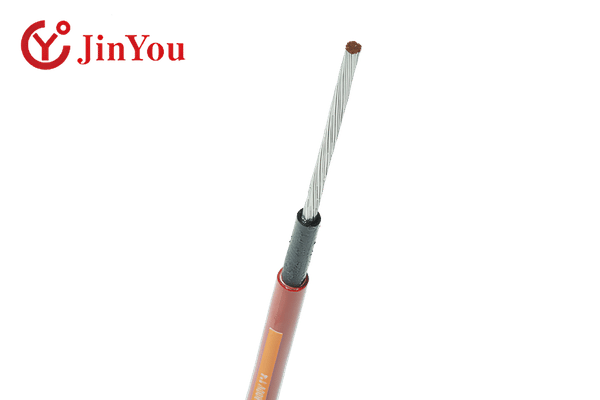
At a glance
PV1-F Cable Data to Put on the RFQ
These are model and procurement inputs, not a substitute for the project calculation. Our quotation team maps each value to your destination, route and document request. Use IEC 62930 or EN 50618 as a named reference only when the project authority calls for that photovoltaic cable standard.
The risk is a mismatched RFQ
Because a project can fail acceptance when voltage, route or documents are unclear, Jinyou Cable uses this table as the first verification point before a supplier quote becomes a purchase order.
Conductor configuration
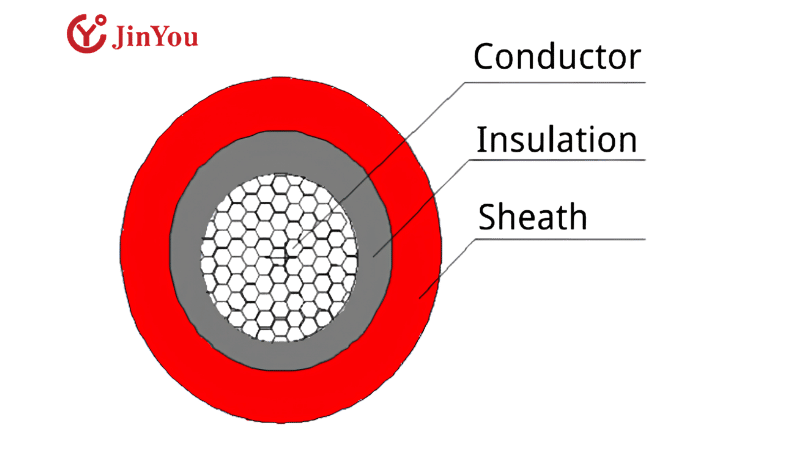
Single core; copper conductor; nominal area 1.5–35 mm².
Voltage references
0.6/1 kV AC rated; DC 1000 V; DC 1800 V between conductors.
Thermal references
Operating range -40°C to 90°C; maximum conductor temperature 120°C.
Electrical test reference
AC 6500 V for 5 minutes, no breakdown in the published model data.
Bend & short-circuit
Minimum bend radius 5D; 250°C for 5 seconds short-circuit reference.
Trade baseline
Production scheduling 15–35 days; T/T or L/C at sight; FOB or CIF.
Capability fit
PV1-F Cable for Defined Solar DC Connections
Our engineers start with the circuit, not a one-size-fits-all ampacity promise. IEC 62930 and EN 50618 are reference points for cable scope; the project authority still confirms the accepted construction.
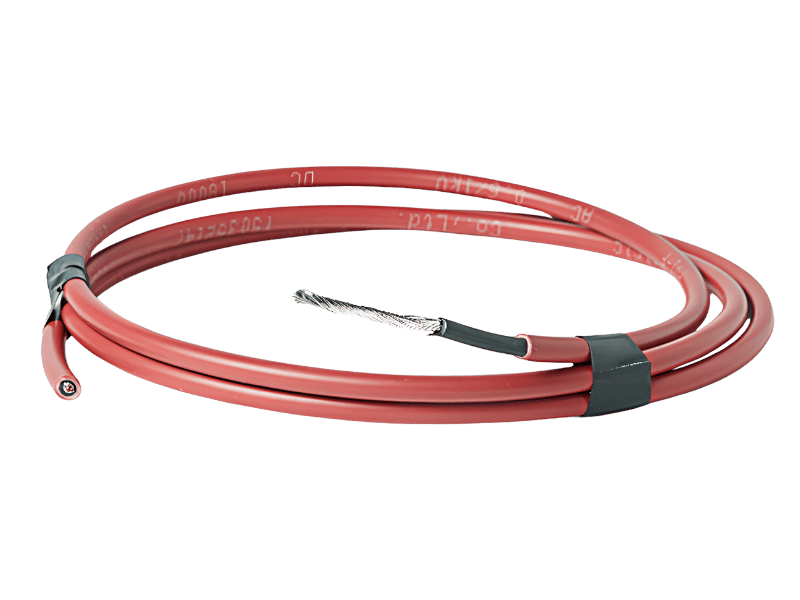
Array-side leads
Our model is intended for defined DC connections around photovoltaic components and solar power-generation equipment. Confirm connector, route and polarity details in the enquiry.
Equipment lead-out
Our engineers map the cable to the equipment interface, system voltage and required test documents before the production record is released.
Component current collection
Our team uses the nominal area range as a selection input, then asks for current, length, ambient conditions and grouping so the project engineer can complete derating.
“A clear PV1-F enquiry is a project acceptance conversation: model designation, route, destination standard and lot documents should agree before the cable is released.”— Jinyou Cable Engineering Team
Construction
PV1-F Cable Construction and Available Sizes
Use this section to align the bill of materials with the model record. Options that depend on the destination standard stay open until the RFQ is reviewed. Compare the requested construction with EN 50618 or IEC 62930 where the destination rule requires it.
Conductor and insulation
Our published PV1-F record identifies a copper conductor and a single-core construction across 1.5–35 mm². Our engineers confirm conductor class, insulation compound and marking against the order specification before production.
Do not infer a current rating from area alone. The installation calculation must include route, grouping, ambient temperature and local code.
Sheath and environment
Our team reviews outdoor exposure, UV/weathering, chemical contact, flame behaviour and abrasion risk as separate questions. A halogen-free or XLPE requirement is a specification request to confirm, not an automatic claim for every PV1-F order.
Tell us whether the route is open, in conduit, or intended for direct burial so the requested construction can be checked.
Optional construction notes
If your solar systems specification calls for tinned copper, a tinned copper conductor, cross-link insulation, an outer sheath, low smoke or LSZH, list those requirements for confirmation. We do not assume those options from the PV1-F name alone.
Configuration input
Published PV1-F reference
What we confirm
Core
Single core
Polarity, connector and termination plan
Nominal cross-section
1.5–35 mm²
Required area, length and project calculation
Conductor material
Copper
Conductor class and marking on the order sheet
Outer environment
Outdoor solar exposure to be specified
UV, weather, chemical and abrasion conditions
Protection checks
Protection References for Outdoor PV Cable Selection
Named test references help the buyer ask for the right evidence. They do not replace a current conformity assessment for the ordered construction or a durability review for the stated weather conditions.
Outdoor PV wire must be UV/heat rated for its intended exposure; the test reference and installation code still need to match.
Exposure or failure mode
Published reference
RFQ evidence request
Flame behaviour
EN 60332-1-2
Confirm the applicable test record for the ordered type
Acid and alkali exposure
EN 60811-2-1
State chemical environment and document scope
Halogen and smoke questions
EN 50267 / EN 60684 references in legacy data
Confirm the low smoke zero halogen requirement before marking the cable
Weathering and UV
HD 605/A1
Request the lot-linked test documentation where required
Thermal exposure
120°C maximum conductor reference
Separate continuous, limited-duration and short-circuit conditions
Specification sheet
Electrical, Thermal and Installation Limits
Our model data gives the boundary values below.
Why no ampacity number appears here
Temperature beneath modules, conductor grouping, conduit fill and route length can materially change current-carrying capacity. Our team will not convert a nominal area or a 90°C reference into a universal amperage; send the route and current so the project calculation can be checked.
The structural reason is simple: a test report, IEC 62930 reference and project calculation answer different questions. Jinyou Cable will flag the gap rather than guess.
Installation Directive
A project engineer still needs the operating current, route and local installation rules to confirm the build.
Parameter
PV1-F reference
Interpretation for procurement
Nominal cross-section
1.5–35 mm²
Choose the requested area after the project current and route calculation.
Rated voltage
0.6/1 kV AC
Confirm the system and destination voltage designation.
DC voltage
1000 V
Use the model reference only where it matches the project specification.
DC voltage between conductors
1800 V
Ask the engineer to confirm the circuit arrangement and acceptance basis.
Operating temperature
-40°C to 90°C
Check ambient, enclosure, bundling and installation temperature separately.
Maximum conductor temperature
120°C
Not a fixed ampacity value; apply the project derating method.
AC withstand test
6500 V for 5 minutes; no breakdown
Request the applicable production or lot document.
Minimum bend radius
5D
Confirm the cable outside diameter and the actual bend geometry.
Short-circuit reference
250°C for 5 seconds
Match the short-circuit event and protection design to the project.
Flame reference
EN 60332-1-2
Confirm current test scope and marking for the destination.
Weathering reference
HD 605/A1
Request the evidence required by the project acceptance plan.
Insulation resistance
≥1014 ohm-cm
Keep the unit and test method tied to the source technical sheet.
Commercial planning
Ordering, Lead Times and Trade Terms
A useful quote is a controlled handoff between the cable model, your project acceptance basis and the shipment record.
Production scheduling
15–35 days
Our current commercial baseline is 15–35 days for production scheduling after the order configuration is confirmed. Actual timing depends on the approved specification, quantity, drum plan and document scope.
Our team does not publish a fixed rush promise or MOQ here because those values were not confirmed for this model.
Payment and delivery basis
Our peer-baseline terms are T/T or L/C at sight and FOB or CIF. The final proforma and shipping documents remain the commercial authority for the order.
Lot-linked test documentation is available on request when included in the project document list.
Buyer pain signals we address
- Long runs need a sizing decision, not a copied ampacity.
- Conduit versus direct burial is route-dependent.
- A TÜV label may be old or out of scope.
- Supplier quotations omit critical inputs when the RFQ is too brief.
Quality and documents
Production Control and Order Documentation
Our team keeps the document conversation explicit: what the legacy model record says, what the current order requires and what the lot file can support. IEC 62930 can be listed as the governing reference when it is the project requirement.
Evidence we can route
Our quality handoff can include the approved specification, production identification and lot-linked test documentation on request. Insulation-resistance testing is a recognized commissioning and maintenance control; the requested method and acceptance value must be agreed with the project.
Read the NETA World testing context.Archived certificate boundary
Two Jinyou PV1-F certificate files identify historical single-core and twin-core types. Both state that they are not valid for the European Union since 2017-10-27. Our team therefore does not present them as current EU certification, current IEC conformity or project acceptance.
Ask us to confirm the current destination standard and the documents your authority requires.
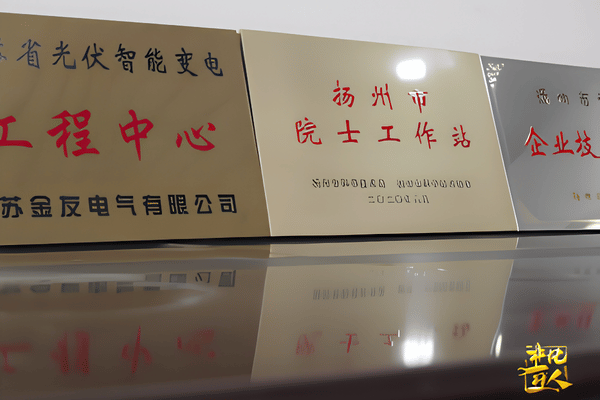
Evidence scope matters
Our QA route is built around the approved specification, a traceable test report and the destination standard. Ask whether an accredited lab or official standard record is required for your project; a historical file alone does not close that risk.
Order path
How Your PV1-F Cable Order Moves
Our workflow keeps technical and commercial decisions visible before the cable enters production. The destination standard, such as IEC 62930 or EN 50618, is recorded before release.
What the handoff prevents
Unlike a catalogue-only purchase, this sequence keeps the buyer, supplier and project authority on the same specification. The catch is that a shorter enquiry can create a longer correction cycle.
STEP 01
Define the circuit
Share system voltage, core arrangement, nominal area, current, length and connector or termination plan.
STEP 02
Check the route
State outdoor exposure, conduit, direct-burial intent, grouping, ambient conditions and local code.
STEP 03
Confirm documents
Choose the destination standard and list the certificate, test and lot-document evidence your project needs.
STEP 04
Release the order
The risk of delay is highest when a route or test report is missing, so Jinyou Cable confirms the configuration, trade terms and production schedule before the order record is released.
Authentic proof
Jinyou Manufacturing for Solar Cable Enquiries
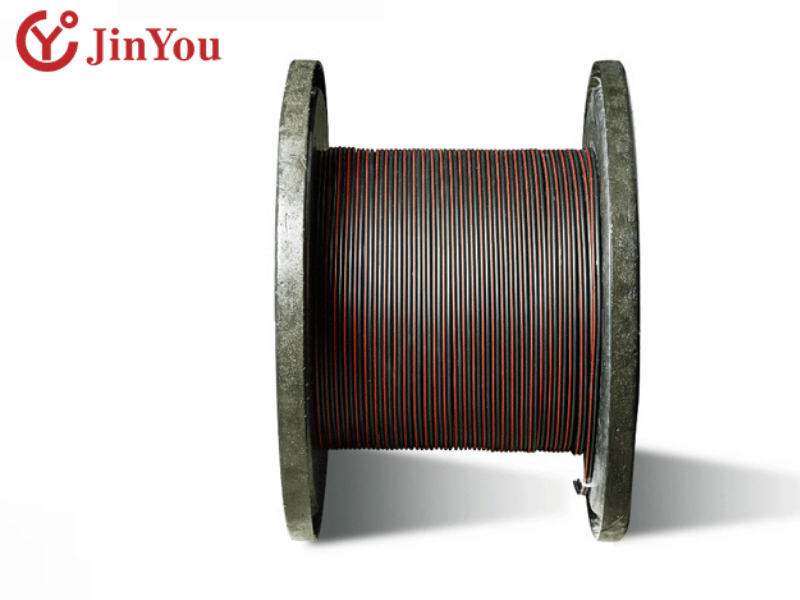
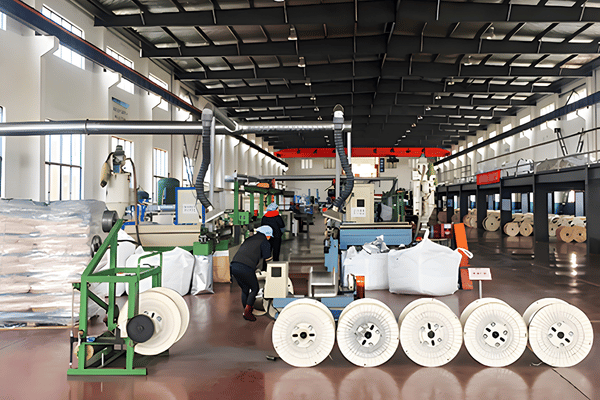
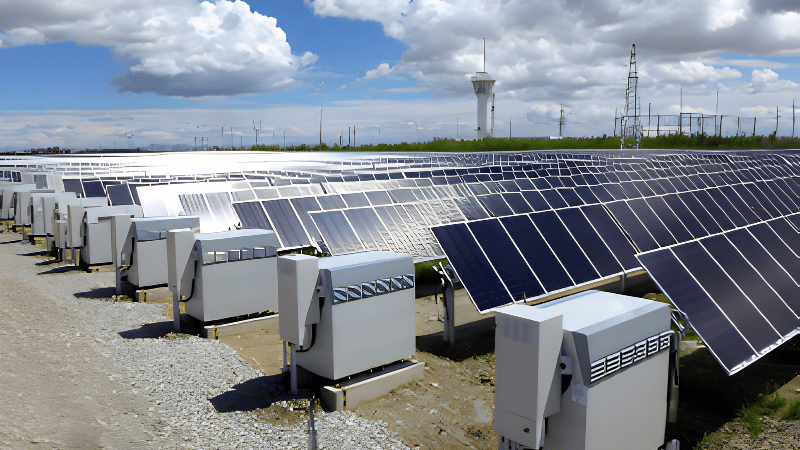
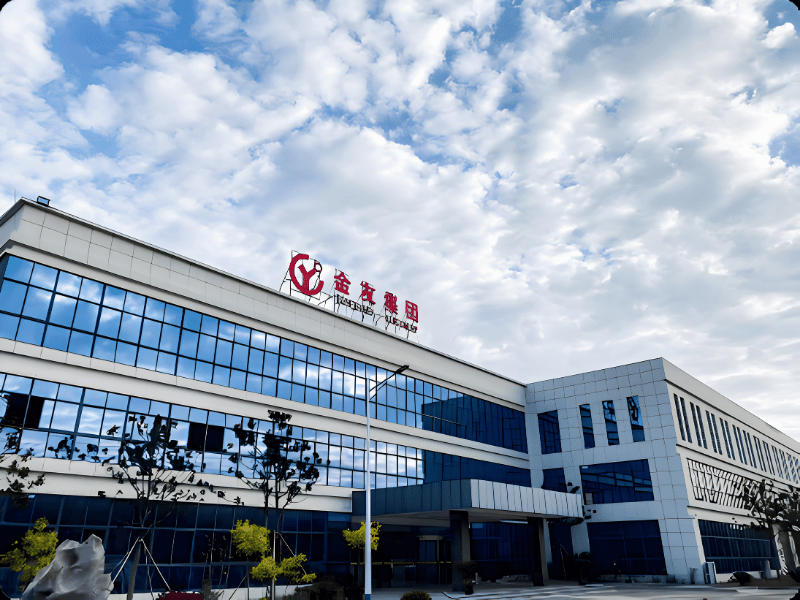
These product and factory photographs are authentic local assets from the Jinyou Cable source set. They show the type of product and production environment, not a substitute for a current project certificate. Ask the project authority which IEC 62930 or EN 50618 evidence belongs in the order file.
Production-line context for the cable enquiry.
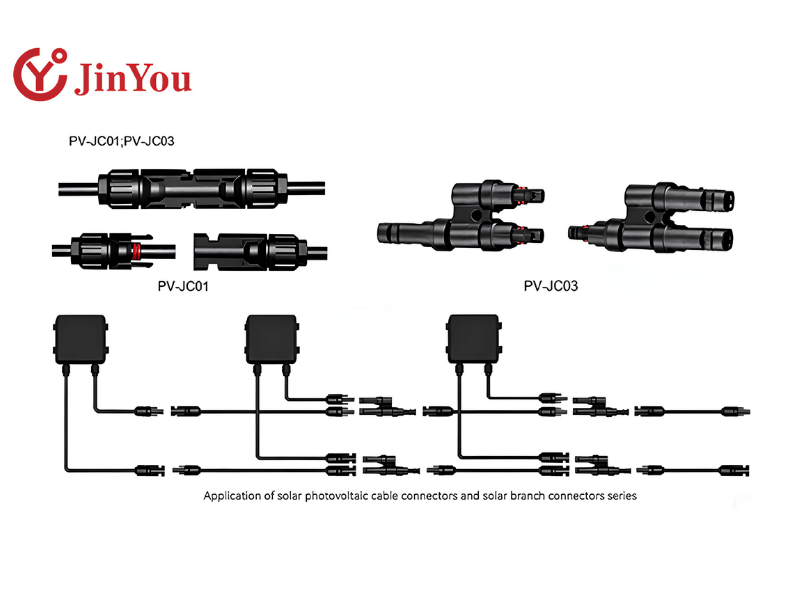
PV1-F product presentation from the source set.
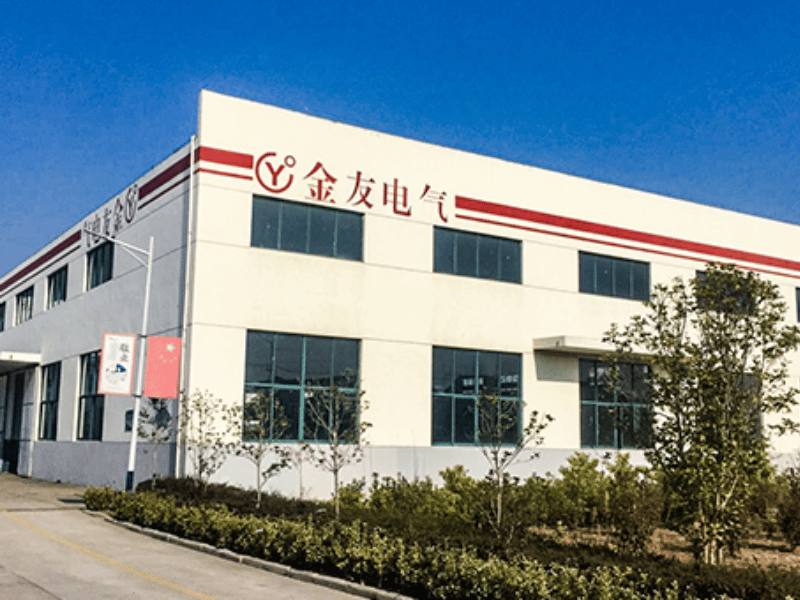
Factory equipment context; confirm the exact order configuration in writing.
Designation routing
PV1-F and H1Z2Z2-K Specification Boundary
IEC 62930 and EN 50618 provide useful standards references, but a model name is not a destination approval. Confirm the project rule before substitution.
Buyer decision
PV1-F enquiry
H1Z2Z2-K / EN 50618 route
Designation
Retain PV1-F when it is the requested model or legacy BOM designation.
Use H1Z2Z2-K when the project or destination requires that marking and construction.
Standard acceptance
Confirm the current acceptance basis; archived 2 PfG/TÜV evidence is not current EU conformity.
Confirm the current EN 50618 documentation and destination authority requirements.
Voltage and construction
Use the published PV1-F values only within the approved order specification.
Do not infer that a different voltage, conductor class or sheath construction is equivalent.
When PV1-F is not the right route
If the authority requires a current EN 50618/H1Z2Z2-K marking, stop and re-specify.
If the requested BOM is specifically PV1-F, confirm whether a project-approved alternative is allowed.
System Resources
PV1-F Solar Cable Engineering Tools
Assess compliance, optimize layouts, and standardize your RFQ with our technical utilities.
PV1-F Cable Size Selector
Calculate the precise cross-section for your PV project. Ensure compliance and thermal safety.
Open Tool
PV1-F Cable Voltage Drop Estimator
Estimate DC voltage loss across extended cable runs. Optimize system output efficiency.
Open Tool
PV1-F Cable RFQ Checklist
Prepare all necessary parameters for a controlled quotation. Avoid rework and spec mismatches.
Open Tool
Ready for a controlled quote?
Send Your PV1-F Cable Requirements
Our team can confirm the model route faster when the enquiry includes the project inputs below. We will flag any destination-standard or document mismatch before production scheduling. Include the governing IEC 62930, EN 50618 or other project standard in the RFQ.
RFQ checklist
- Core configuration
- Nominal cross-section
- System and DC voltage
- Current and cable length
- Route, conduit or burial intent
- Ambient and grouping conditions
- Color and marking
- Quantity and drum length
- Destination & governing standard
- Certificate & lot-document needs
Buyer questions
PV1-F Cable FAQs
Short answers for the specification call. The final order record remains the authority. Use IEC 62930 and EN 50618 as references only after the destination requirement is confirmed.

