Get in touch with JINYOU Cable Company

-
CALL US +86 181 1623 2461
-
EMAIL sales@jinyougroup.cn
Solar Cable Solutions for PV Applications | Jinyou Cable
Jinyou Cable provides solar cable solutions from Shanghai for project teams that need a clear path from application environment to cable review. We help you choose the right application family, organize the electrical and installation inputs, and move a custom OEM photovoltaic cable request into a written quotation.
- Established in 2006
- Based in Shanghai
- Custom OEM photovoltaic cable
- Response within 24 hours
Application Families by Project Environment
Across solar cable applications, begin with where the wire will run to avoid a route mismatch. Then choose the child route that owns the detailed requirements. Even a request for photovoltaic cable solutions needs a defined circuit, route and evidence package before it belongs in a quotation.
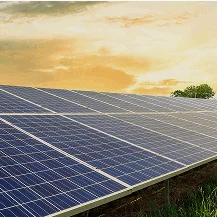
Utility-Scale Solar Cable
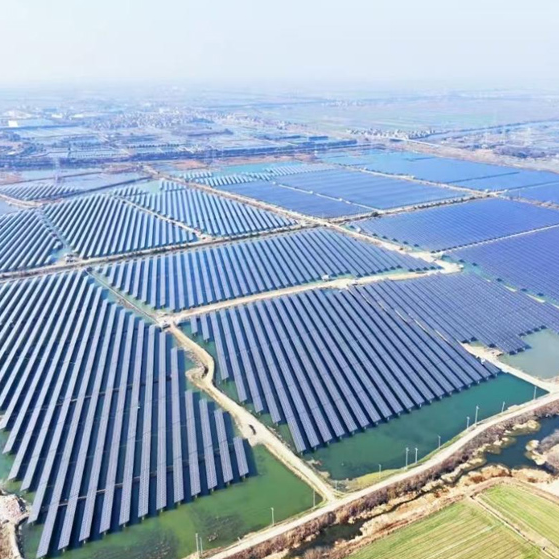
Use this route for a large ground-mounted PV array or solar farm cable review. Bring the circuit position, planned run lengths, grouping, support method, environmental exposure, connector interfaces, required quantity and destination-market requirements so the utility-scale child page can handle the project-level detail.
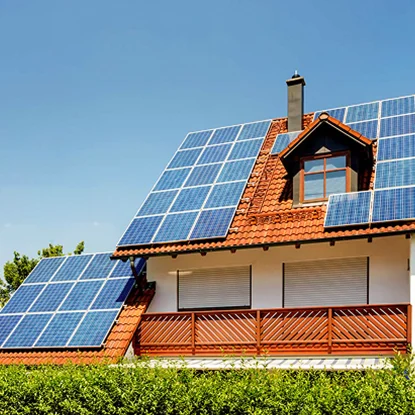
Rooftop Solar Cable
Use this route for commercial or industrial rooftop arrays where the cable path crosses exposed roof areas, protected pathways or building interfaces. Share the route zones, transition points, support approach, terminations and building requirements before a rooftop solar cable construction is released.
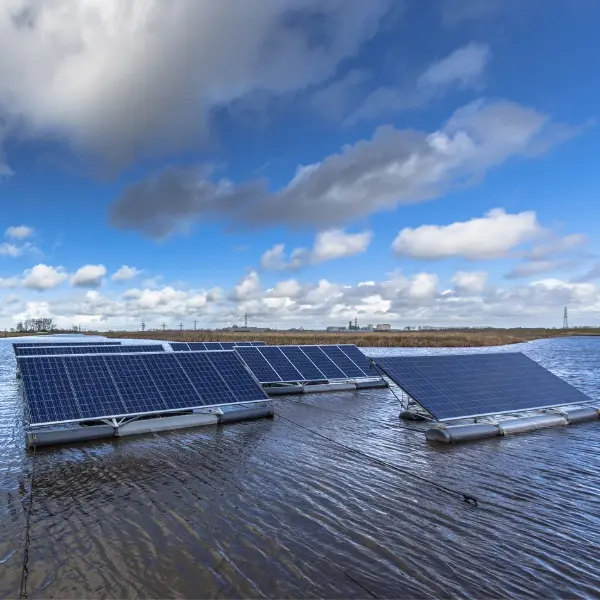
Floating PV Cable
Use this route when a photovoltaic array sits on water or the cable path is water-adjacent. Water level, movement, float geometry, supported and unsupported spans, possible submersion, connection points and maintenance access belong in the first review instead of being inferred from the floating label. Counter-intuitively, the route may alternate between supported, moving and temporarily submerged conditions.
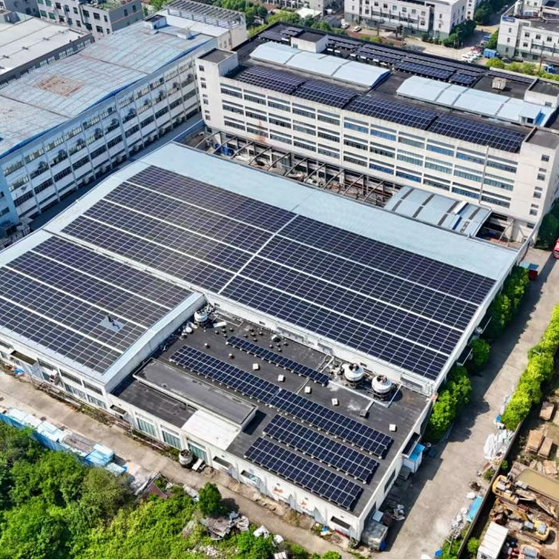
BIPV Cable
Use this route when the PV system is coordinated with the roof, façade, skylight or another part of the building envelope. Define concealed spaces, transitions, access, connector positions and the responsible building disciplines before the BIPV cable path is fixed.
Cable Products and Project Infrastructure
A common assumption is that cable search results describe one supply scope, yet they often place the cable beside hangers, trays, grounding, engineering and site work. Those items interact, but they are not interchangeable scopes. A cable description alone cannot design or approve the entire installation route.
Cable Product vs Route Hardware Boundary Strip
Jinyou cable-product discussion
- Application family and requested circuit position
- Project-specific configuration and OEM requirements
- Colour, marking, packaging and order-document requests
- Manufacturing review and written quotation scope
Confirm through project engineering
- Load current and cable-sizing calculation
- Allowable voltage drop and protection coordination
- Applicable code, listing and destination-market requirements
- System boundary beyond the PV array-side circuit
Confirm through installation and site teams
- Hangers, tray, conduit and other support hardware
- Grounding, route execution and access
- Connector assembly, termination workmanship and labeling
- Inspection, testing and final site acceptance
Custom OEM Cable Configuration
Custom OEM work starts with the project because a catalog label is not a substitute for project inputs. We review the required function, appearance and cable parameters, along with any special product development. Preliminary evaluation, cable-selection suggestions and system-integration input then lead to a manufacturable scope confirmed in writing.
- DC or other stated circuit position
- System voltage and operating current
- Specified conductor cross-section
- Run length and voltage-drop criterion
- Protection architecture
- Ground, roof, water-adjacent or building-integrated route
- Ambient and exposure conditions
- Support, bundling and bend constraints
- Movement, abrasion and transition points
- Installation method
- Requested cable identification
- Colour schedule
- Print content and language
- Length or batch marking
- Project-specific appearance needs
- Total length and release batches
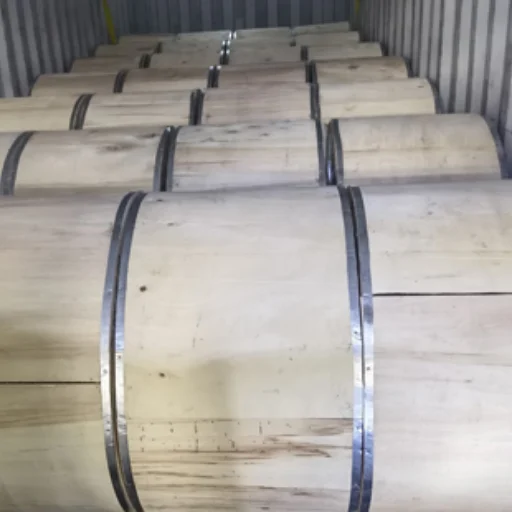
- Packaging method requested
- Destination country or region
- Test and document request
- Required delivery date for quotation review
SPECIFICATIONS
Product description fields
Keep the wire schedule exact
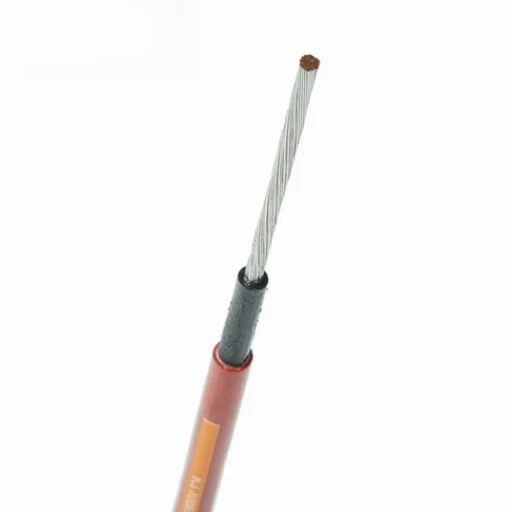
If the project names PV wire or photovoltaic wire, send that designation without substituting a broad cable label. Include the solar panel interface, copper conductors and strand construction, insulation and jacket description, plus any sunlight-resistant, temperature or moisture requirement that must be verified against the selected product. Identify each wire item separately when routes or connector interfaces differ.
PROCESS CHECK
Common release gaps
- Conductor sizing cannot be answered from system voltage alone.
- Bend radius and routing protection are often discovered after the cable family is chosen.
- Supplier environmental documents are easily mistaken for finished-product conformity.
Circuit-to-Environment Solar Cable Selection Path
Start with the electrical function and system boundary. This separates an array-side PV cable request from AC-side, storage, medium-voltage, substation and grid-interface scope. Route exposure is not always captured by the application label, so choosing from that label alone is the wrong choice while interface evidence is undefined.
- Ground-mounted large-site array → Utility-Scale Solar Cable
- Commercial or industrial roof → Rooftop Solar Cable
- Floating or water-adjacent array → Floating PV Cable
- PV integrated with the building envelope → BIPV Cable
Send the one-line diagram and defined endpoints for a separate scope review; the four application summaries do not establish suitability for every cable in the solar power system. This shows where to look instead when the circuit sits outside the array-side application families.
Project release inputs
Hidden Bottleneck Checkpoints
Application labels hide three release blockers: an undefined circuit boundary, an installation route without support and movement inputs, or a document request that is not tied to the exact product and destination. Clearing those checkpoints before quotation protects the project team from selecting a family first and discovering the real requirement later.
Engineering review rule
A cable family is not released from the application name alone. The circuit boundary, route conditions, interface details and evidence request must describe the same project configuration.
Pricing, Samples and Production Planning
A custom solar cable quotation is built from construction, cross-section, total length, marking, packaging, testing and destination requirements. We respond within 24 hours and place the confirmed commercial scope in the written quotation.
Quote drivers
| Driver | What changes in the review | What to send |
|---|---|---|
| Cable construction | Materials, processing route and evidence package | Specification or required functional construction |
| Cross-section and total length | Material requirement, production planning and packaging | Cross-section schedule and length by item |
| Colour and marking | Identification, print setup and release control | Colour schedule and approved marking text |
| Packaging | Length units, handling and shipment preparation | Requested reels, coils or other packing instruction |
| Testing and documents | Inspection scope and records prepared for the order | Exact report, declaration or review requirement |
| Destination requirements | Evidence review and product-scope confirmation | Country, region, project specification and named requirement |
| Required date | Production and delivery planning in the quotation | Target arrival or handoff date and release timing |
Commercial confirmation points
Confirmed before production release
- Selected construction and quantities
- Colour, marking and packaging
- Requested tests and documents
- Production and delivery schedule
Confirmed in the written quotation
- Minimum-order treatment for the selected configuration
- Sample feasibility and commercial handling
- Payment method and payment triggers
- Destination and logistics scope
Quality Control for Solar Cable Orders
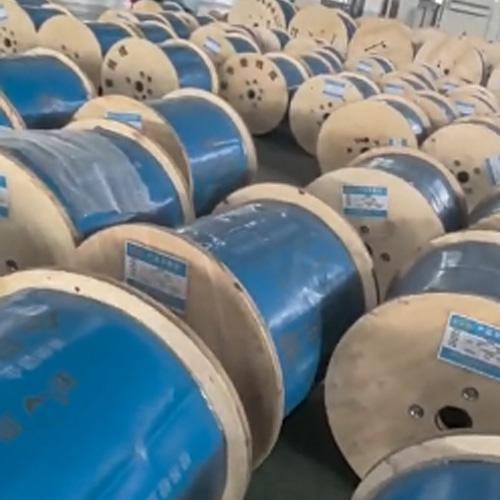
We organize our published control process under four stages: conductor procurement specifications, material procurement norms, packaging procurement norms, and storage and transportation regulations. These stage headings keep incoming inputs and post-production handling visible during an order review.
Conductor procurement specifications
We check conductor inputs, including purity and resistivity.
Material procurement norms
We review insulation and sheath material inputs before production.
Packaging procurement norms
We align packaging requirements with the approved order scope.
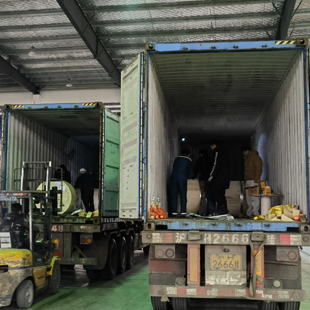
Storage and transportation regulations
We include handling stages in the control sequence.
Incoming checks and document controls
We use physical and chemical analysis for insulation and sheath materials, covering temperature resistance, ageing resistance, tensile strength and elongation at break. The written order specification connects these incoming checks to the finished-cable evidence requested by the buyer.
We verify raw-material suppliers’ qualification certificates and environmental-compliance documents, including RoHS and REACH documentation. Link any finished-product or destination-market requirement to the exact cable and the exact document requested in the quotation.
Our Shanghai facility uses automated production machinery and testing systems for cable manufacturing and process control. The project review connects the requested construction, inspection scope and document set to the same written order requirements.
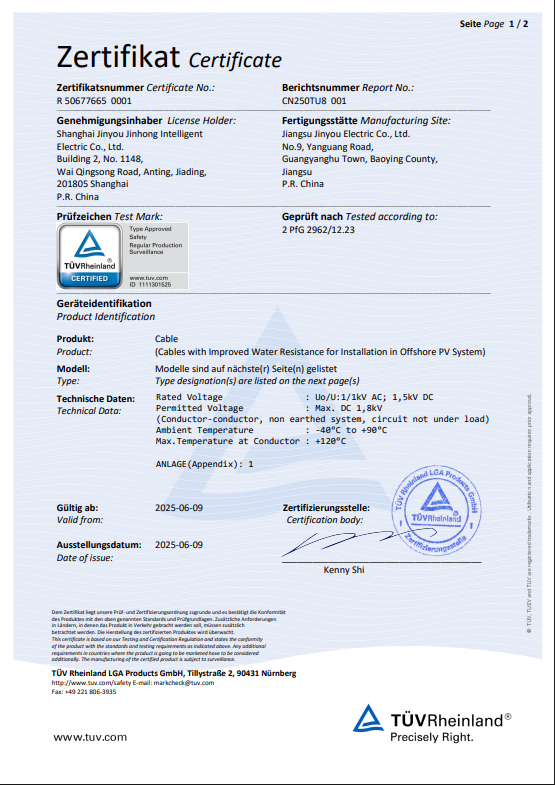
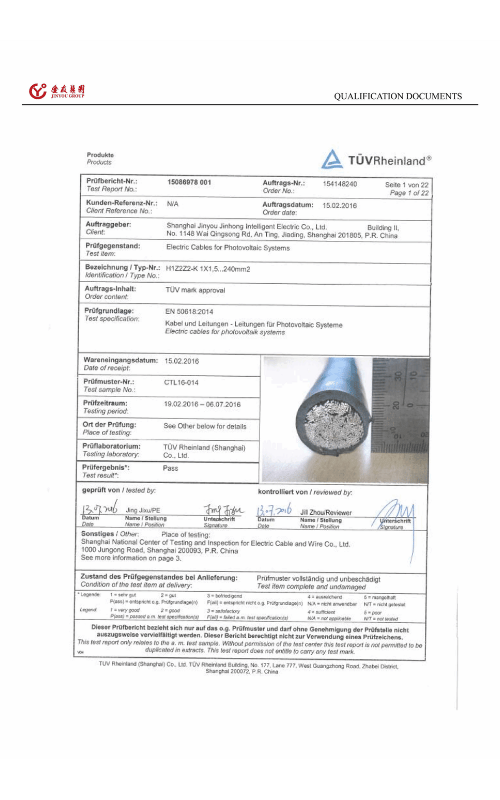
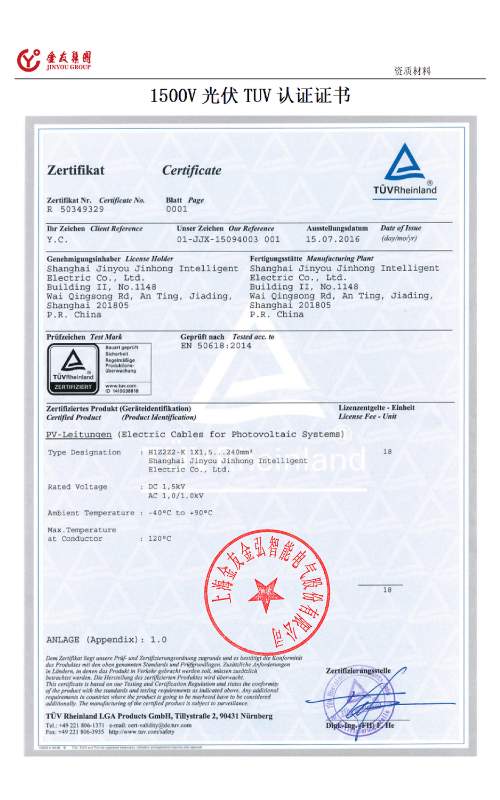
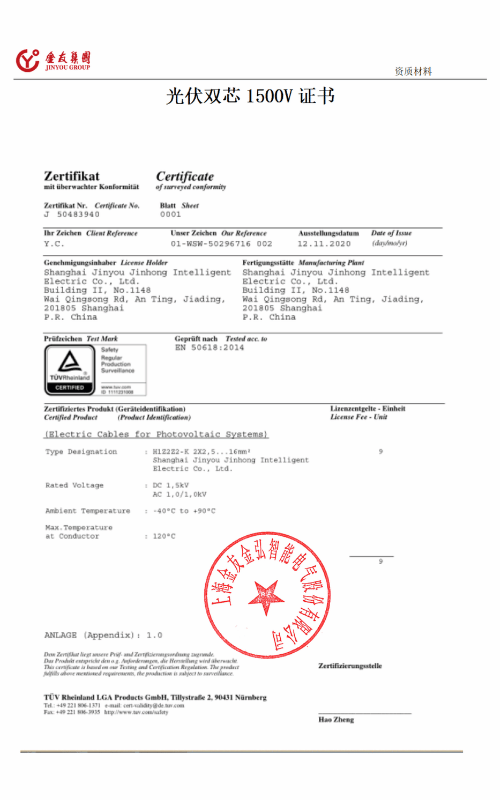
We publish a photovoltaic cable test-report index for document access. Before purchase release, match any report to the product designation, test scope, issue details and project requirement that your quality team needs.
From Project Evaluation to Cable Delivery
Submit project inputs
Provide the application, circuit boundary, environment, interfaces, quantity and destination.
Preliminary evaluation
We review the project position and identify missing information.
Configuration suggestion
We provide cable-selection and system-integration suggestions within the agreed scope.
Written confirmation
Construction, documents and commercial points are recorded in the quotation.
Production release
The approved requirements become the manufacturing and control reference.
Packing and handoff
Packaging and delivery requirements follow the confirmed order scope.
Electrical engineering owner
Confirm the circuit endpoints, operating current, voltage-drop target, selected cross-section, protection approach and installation assumptions. This owner also records who approves a change to the array, inverter or connector interface after cable review.
Procurement owner
Consolidate item quantities, release batches, marking, packaging, requested date and the commercial points that must appear in the quotation. Keeping these inputs beside the technical schedule prevents an approved construction from being priced against a different order scope.
Quality owner
Name the product designation, required evidence, document revision and acceptance point before the order is released. This keeps a supplier document, finished-cable test report and destination-market verification from being treated as interchangeable records.
Change-control rule
If the application, circuit, route, connector, document or delivery requirement changes, update the written requirement and quotation scope before release. Our 7×24-hour rapid-response mechanism covers questions about product use and installation without replacing the project team's design and site-acceptance responsibilities.
Engineering and Documentation Support
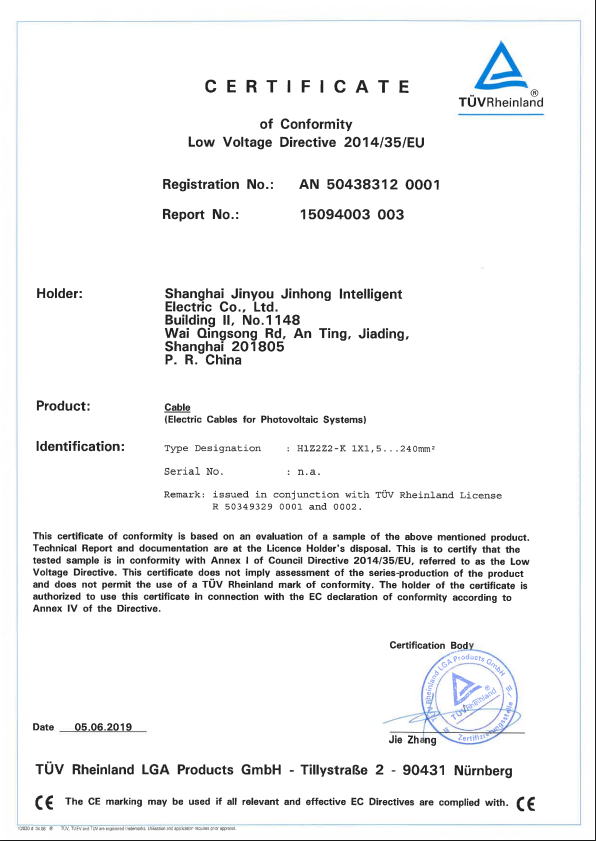
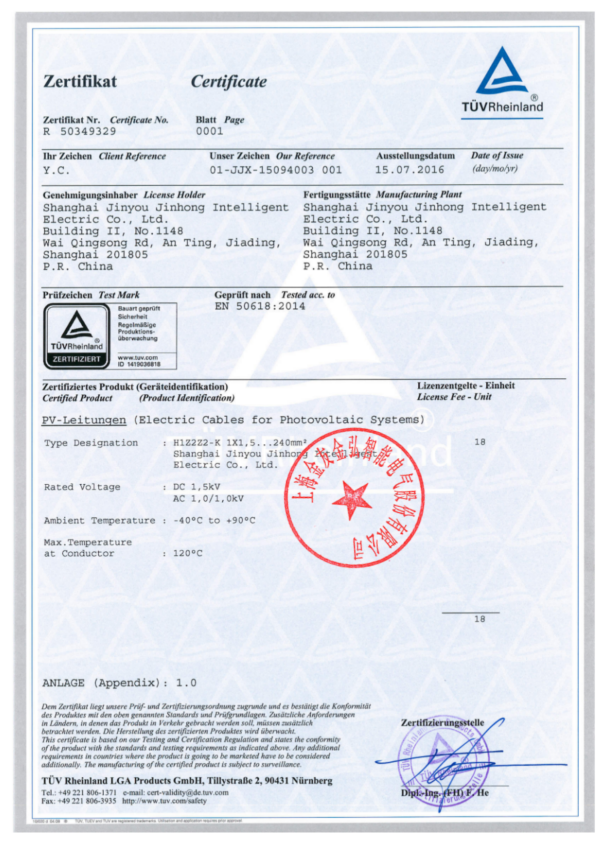
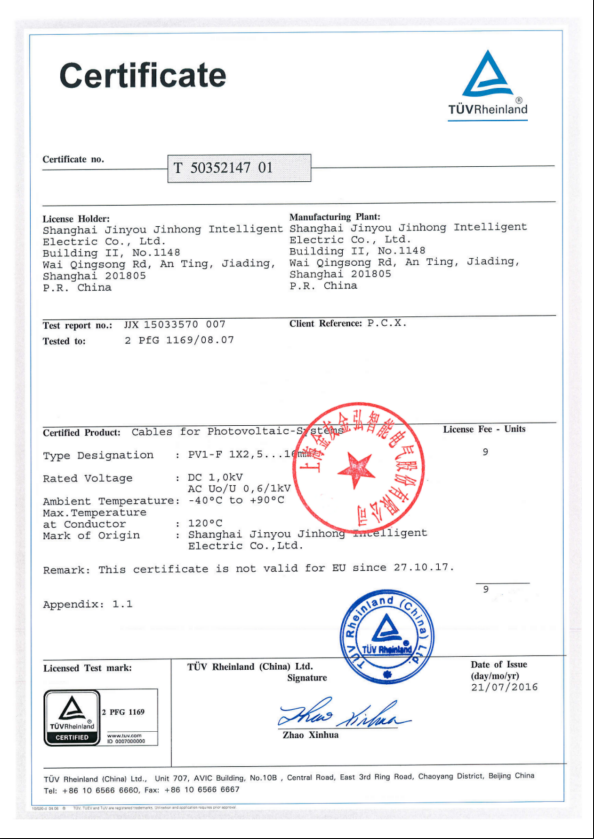
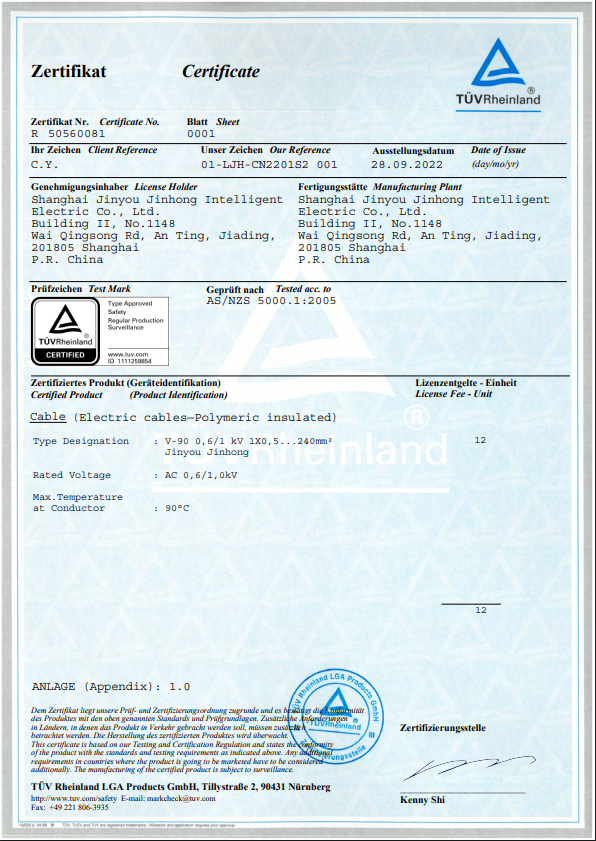
Evidence request shortcut
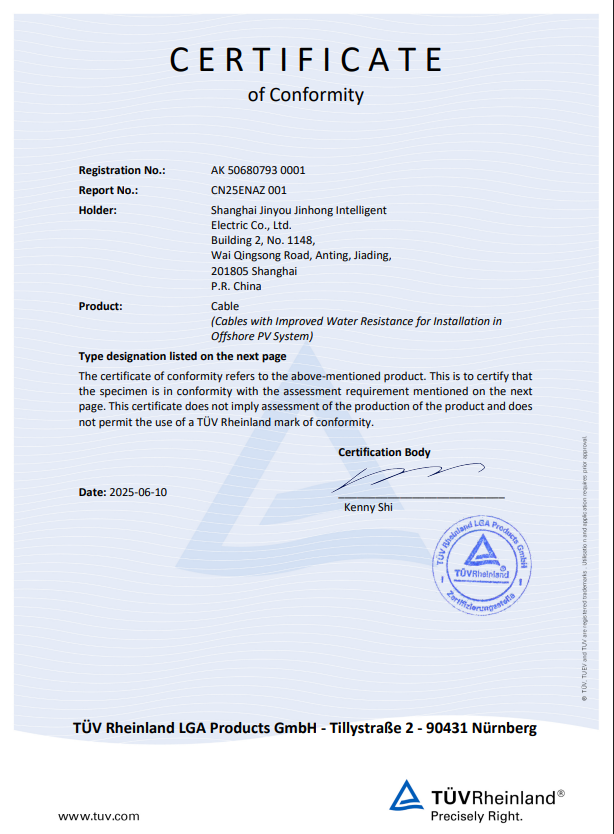
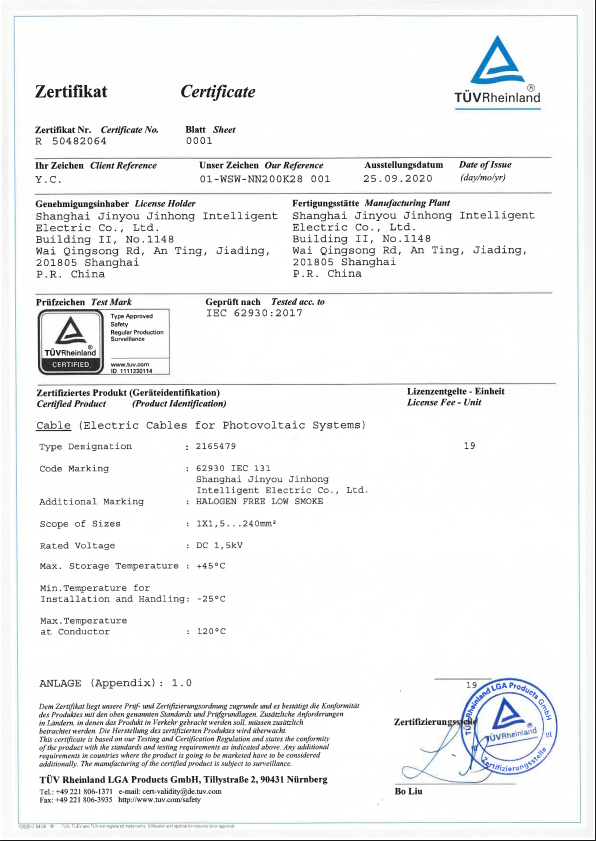
A documentation gap can delay release because the product designation, acceptance scope and required record must match. Jinyou Cable responds to the initial inquiry within 24 hours, and the requested document set can be reviewed as part of that handoff. Confirm against the exact product record so quality, procurement and engineering teams use the same release target.
Pre-Sales Engineering
We provide preliminary project evaluation, cable-selection suggestions and system-integration solution design. Unlike a broad catalog label, the review starts from your system boundary and application inputs.
Order Evidence
We confirm the requested material, test and document scope during quotation review. Product-level records should be matched to the exact designation and requirement used for purchase release.
Use and Installation Questions
We maintain a 7×24-hour rapid-response mechanism for problems encountered in product use and installation. Send the order reference, cable identification, route location and observed condition so the question reaches the right review path.
Project Engineering & Routing Tools
TOOL // 01
Solar Application Family Router
TOOL // 02
Project Input Readiness Checker
TOOL // 03
Solar Cable Supply Boundary Checker
Frequently Asked Solar Cable Questions
Which solar cable solution fits a utility-scale project?
Choose the utility-scale route when the project is a large ground-mounted PV array and the review needs system position, long-run planning, grouping, support, environment and release quantities. The child page owns detailed utility scale solar cable and solar farm cable selection; the parent hub only directs the project and gathers common inputs.
Which project inputs change solar cable selection?
The core inputs are circuit function, voltage and current or specified cross-section, run length, protection, installation method, temperature and exposure, bundling, bend constraints, connectors, quantity, destination and document requirements. A change in one of these can change the cable construction, evidence request or project responsibility.
Is solar cable different from standard electrical cable?
The answer must be tied to the named product construction, rating, application and governing requirement rather than a blanket label. For a procurement decision, compare the exact cable data and evidence against the PV circuit, installation environment and destination-market requirement instead of assuming every general electrical wire or every product called solar cable is interchangeable.
What cable connects PV modules to an inverter?
That circuit is commonly treated as part of the array-side DC review, but the correct photovoltaic cable and conductor size depend on the system architecture and project calculations. Send the module and inverter information, current, length, route, connector and protection inputs before releasing a product specification.
How are rooftop, floating PV and BIPV cable routes different?
Rooftop routes interact with exposed roof zones and building transitions; floating PV routes add movement, water level and possible submersion; BIPV routes coordinate with the building envelope and concealed spaces. Those contexts create different interface questions, which is why each has its own child-page route.
Which cable-management responsibilities sit outside cable supply?
Project engineering normally defines sizing, voltage drop, protection and applicable rules, while installation teams execute support hardware, route, grounding, assembly and site acceptance. The cable supplier needs those inputs, but a cable quotation should not be mistaken for a complete cable-management or installation package.
What should an EPC send for a solar cable review?
Send the application family, one-line position, system voltage, current or specified cross-section, length, route and exposure, bundling, bend constraints, connector and termination details, quantity, destination, required date, marking, packaging and document request. The readiness checker flags which of these fields still need an owner.
How are minimum orders and sample costs handled?
Minimum-order treatment and sample feasibility depend on the selected construction, cross-section, colour, marking, packaging and requested quantity. We confirm availability, charges, freight treatment and any subsequent order treatment in the written quotation before a sample or production order is released.
What is the production lead time for a custom order?
The production schedule is confirmed for the selected construction, quantity, testing, packaging and release date in the written quotation. Jinyou responds to the initial inquiry within 24 hours; include the required handoff date so planning can be reviewed at the same time.
Which quality and test documents should be confirmed in the quotation?
List the exact material record, test report, declaration, marking evidence or product verification your project requires, together with the cable designation and acceptance point. Supplier RoHS or REACH documentation, a test report, a named standard and a product listing are different evidence objects, so request the one your quality plan actually uses.

