Get in touch with JINYOU Cable Company

-
CALL US +86 181 1623 2461
-
EMAIL sales@jinyougroup.cn
ISO Certified
Automotive Cable
Automotive Cable Model Families for Electric-Vehicle Main Circuits
Compare published voltage, core and conductor-size summary rows before you send an automotive cable RFQ. We review custom OEM cable requirements against your electrical, thermal, routing and document inputs.
6 published family identifiers: EVYJ-C, EVYJ-D, EVG-E, EVYJ(P2)YJ-C, EVYJ(P2)YJ-D and EVG(P2)G-E
2 published voltage families: 600 V AC / 1000 V DC and 1000 V AC / 1500 V DC, tied to named rows
Single- and multi-core rows: Published combinations differ by family, voltage and conductor-size range
Class C and Class D: Family page ranges: -40°C to +125°C and -40°C to +150°C
Published 3D minimum bend radius: D means cable outer diameter; treat this as a static family statement
Custom OEM review: Project-specific construction and evidence requirements are reviewed before quotation
Start an Automotive Cable RFQ
We respond to quote inquiries within 24 hours. Production timing is confirmed only after the project scope is reviewed.
Analysis Active
6
Published Family Identifiers
1500V
Max DC Voltage Capacity
150°C
Max Thermal Resistance
24h
Quote Inquiry Response
Published Automotive Cable Family Scope
For this scope, we publish automotive cable families for main power circuits of new energy vehicles. For global buyers, that legacy source wording refers to electric-vehicle applications; it is not a named-platform approval.
The automotive cable family scope and RFQ matrix provides a comparison starting point from our published family page. Every row remains a summary: verify the current datasheet, construction drawing and acceptance requirements before design release.
For external scope context, ISO 19642-5:2019 addresses single-core copper cable requirements, while ISO 19642-9:2019 addresses round sheathed screened or unscreened multi- and single-core groups. The required edition and acceptance criteria still belong in your RFQ.
| Published family row | Rated-voltage row | Core / conductor-size summary | Published test-voltage row | RFQ status |
|---|---|---|---|---|
| EVYJ-C / EVYJ-D | 600 V AC / 1000 V DC | 1 core; 0.35–150 mm² | 5.0 kV | Verify current datasheet |
| EVYJ-C / EVYJ-D | 1000 V AC / 1500 V DC | 1 core; 0.35–150 mm² | 10 kV | Verify current datasheet |
| EVYJ(P2)YJ-C / EVYJ(P2)YJ-D | 1000 V AC / 1500 V DC | 1 core; 1.5–150 mm² | 10 kV | Engineering review |
| EVYJ(P2)YJ-C / EVYJ(P2)YJ-D | 600 V AC / 1000 V DC | 2–4 cores; 1.5–6 mm² | 5.0 kV | Engineering review |
| EVG(P2)G-E | 600 V AC / 1000 V DC | 1 core; 1.5–150 mm² | 5.0 kV | Verify current datasheet |
| EVG-E | Family identifier published | Exact row not promoted on this page | Confirm in current document | Document review required |
| Family temperature classes | Class C: -40°C to +125°C | Class D: -40°C to +150°C | Model scope to confirm | Verify current datasheet |
Construction Inputs for an Automotive Cable RFQ
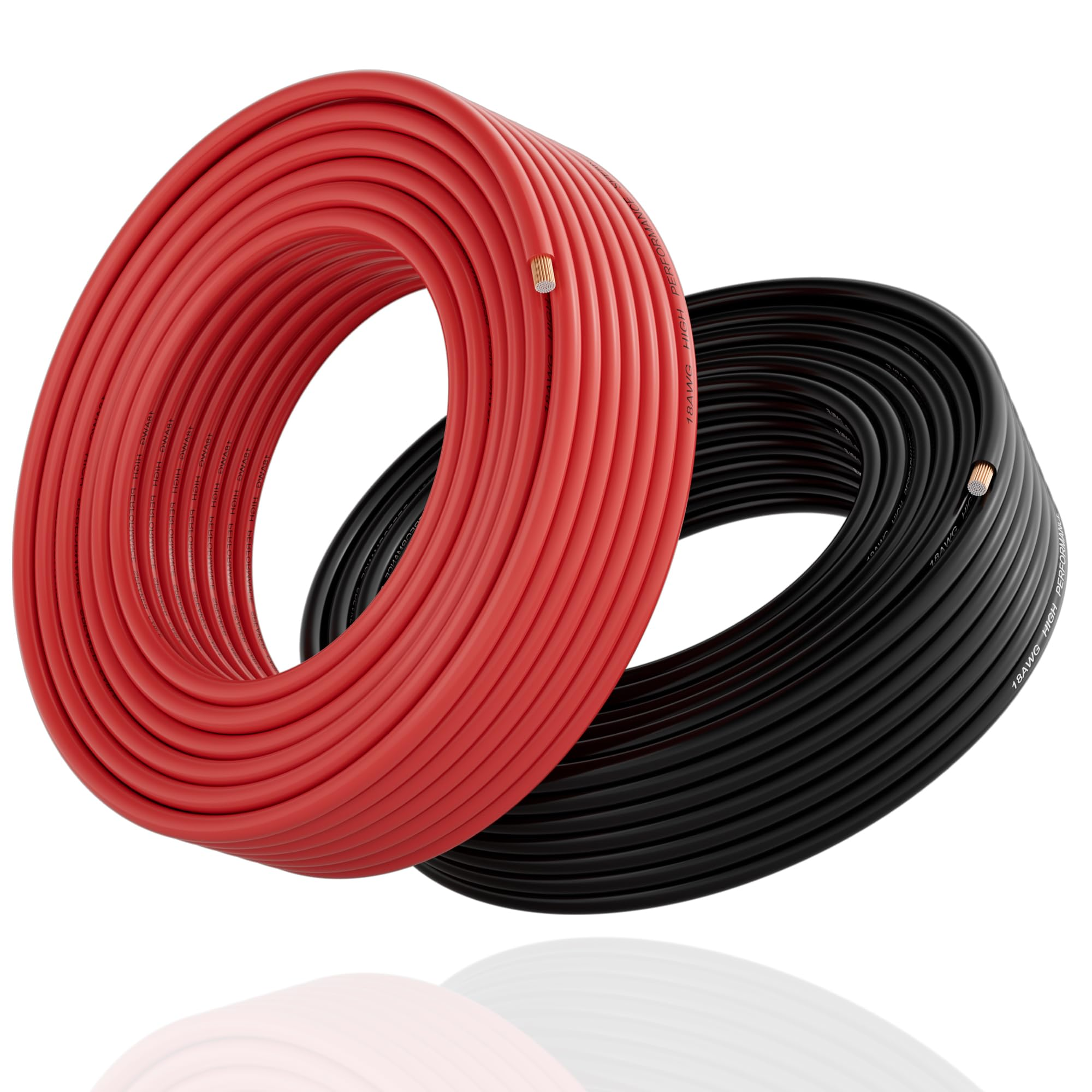
Conductor area alone does not define a cable. On that basis, we ask for the conductor starting point, insulation and sheath needs, circuit environment, terminal interface and any shielding concept your system requires.
Buyers mix peak current with continuous current, while route length and voltage drop may be missing from the same request. Open-air routing, enclosed routing and bundled conductors are not interchangeable because each changes the thermal question; Jinyou Cable resolves that ambiguity through a 10-group RFQ review rather than an automatic sizing answer.
The problem is incomplete electrical and thermal input, not a missing product label. The reason is that voltage, current, route and ambient conditions interact; Jinyou Cable engineers the review around those inputs, while ISO 19642-1:2023 supplies road-vehicle cable vocabulary and voltage or temperature classes.
Even then, the published row is not a substitute for design validation, so the applicable item document still belongs in the RFQ.
Electrical basis
Our review covers nominal and maximum system voltage together with continuous current, peak current, peak duration and duty cycle. A single peak-current value is never converted by us into an automatic conductor-size recommendation.
Thermal basis
At Jinyou, we review ambient temperature, enclosed or open routing, conductor bundling, cooling conditions and allowable temperature rise. These inputs help define what must be validated in the current design.
Mechanical basis
Finished length, route, bend locations, outer-diameter constraints and terminal orientation are part of our review. Repeated movement must be declared separately from a static installation.
EMC and interface basis
When shielding is requested, we review the noise source, nearby circuits and termination or bonding concept. A shield designation alone does not establish system-level EMC performance.
Engineering review rule: a larger cable is not always the right answer, and a shielded construction is not always the right answer. The trade-off depends on current basis, route, thermal conditions, interfaces and the validation plan.
Marking, Color and Delivery Details to Confirm
Custom OEM cable requirements for project-specific applications are part of our review. Use the RFQ to identify jacket color, printing or marking content, cut length, end treatment, packaging, destination and any sample or validation sequence your team requires.
If ISO 19642-1:2023 or a customer specification governs terminology or marking, name the edition and required legend instead of assuming a default.
Input group
State in the RFQ
Keep out of assumptions
Identification
Color, print legend, language and traceability fields
Do not assume a default platform marking
Length
Finished length, tolerance and cut-end condition
Do not use route length as finished length without review
Interface
Terminal, seal or mating drawing references
Do not treat cable supply as a complete terminated assembly
Packaging
Coil, reel, lot separation and label data
Do not assume unit quantities or reel sizes
Documents
Datasheet revision, reports and acceptance records
Do not infer item certification from a family name
Temperature, Bending and Routing Inputs
Temperature, Flexibility, Oil Resistance and Routing Inputs
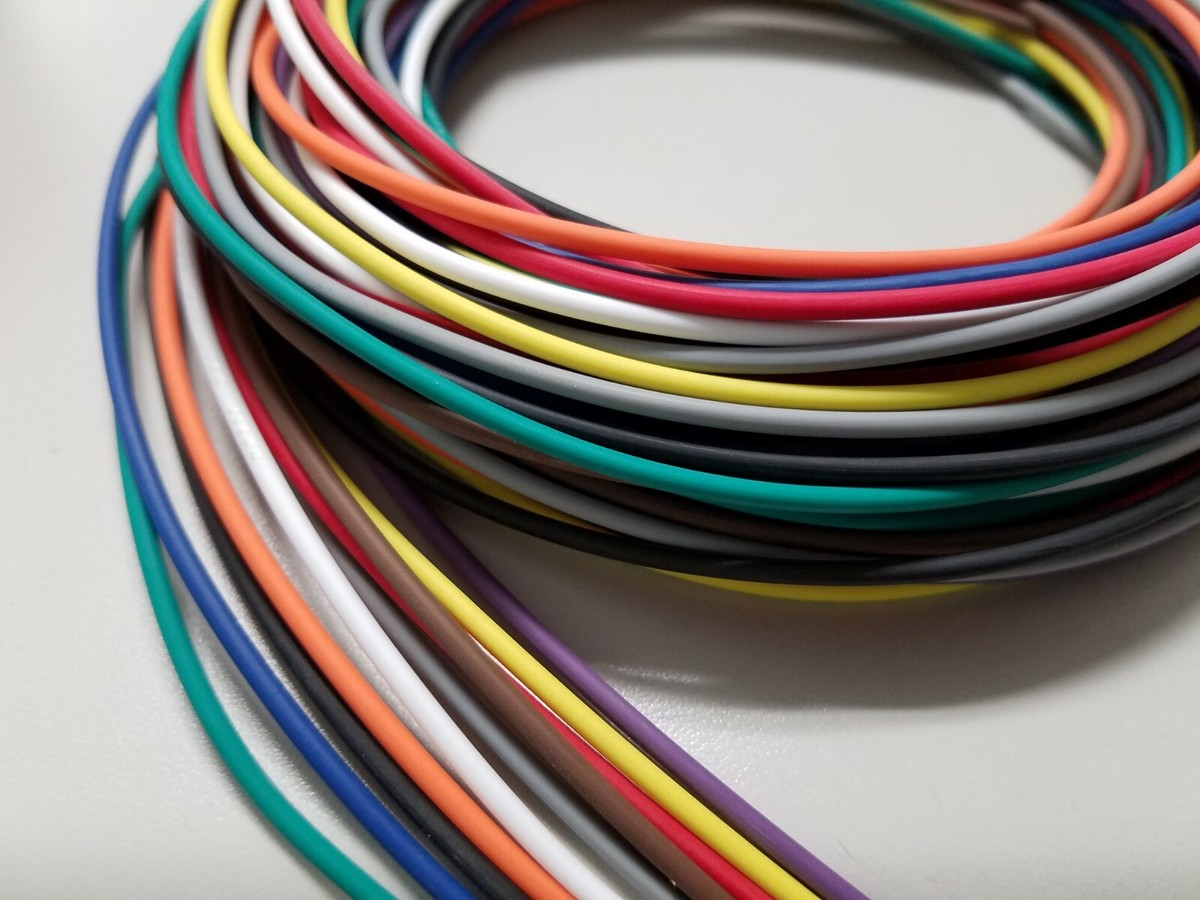
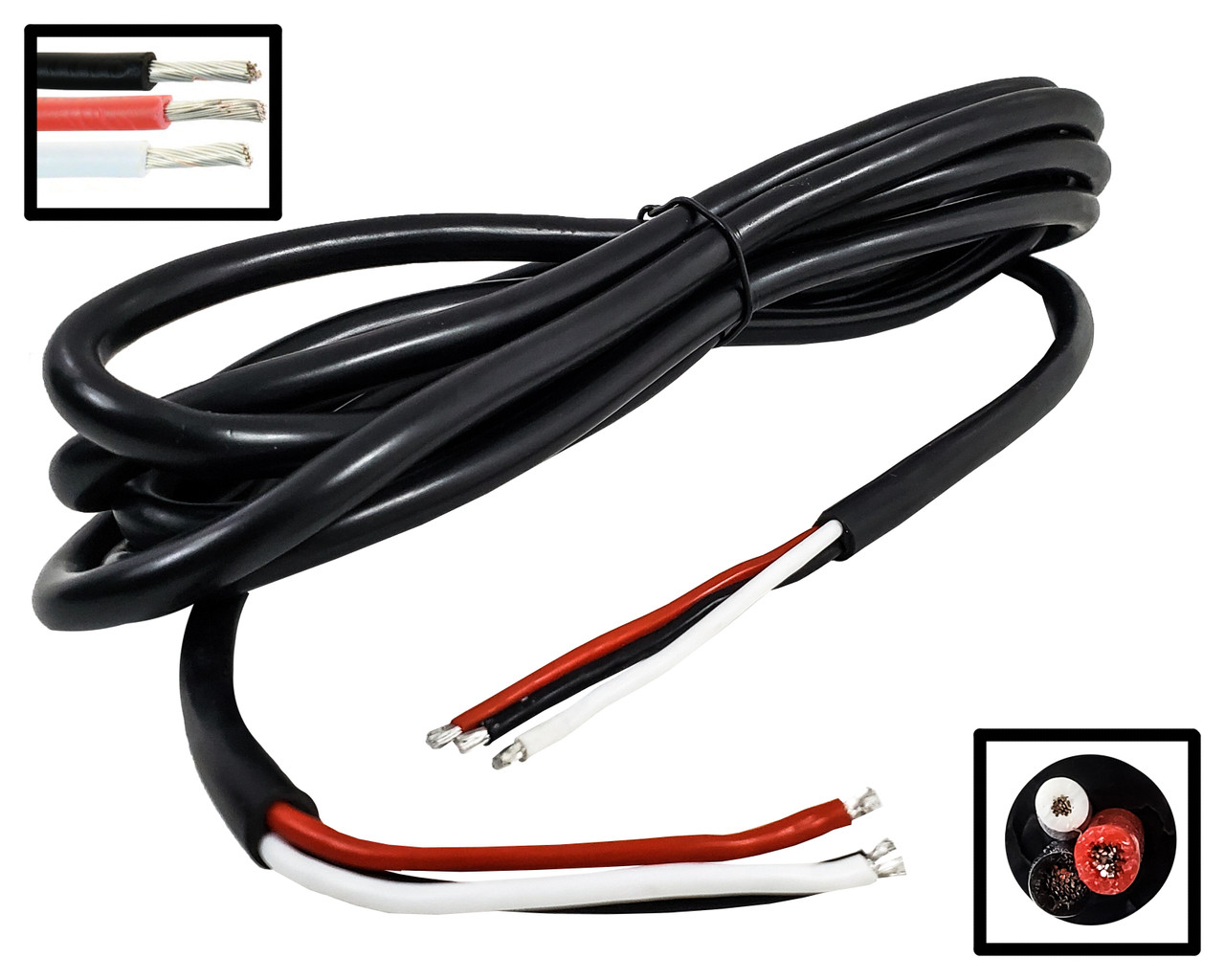
The published family page lists Class C from -40°C to +125°C and Class D from -40°C to +150°C. The published minimum bending radius is 3D, where D is cable outer diameter; oil or fluid exposure remains a project input rather than a universal family claim.
ISO 19642-1:2023 supplies the road-vehicle cable temperature-class vocabulary used here. Current-carrying, route and dynamic movement still require model-level review.
Until the current model datasheet is reviewed, we keep these as family-level statements. The 3D value is not presented as a repeated-flex endurance claim, and temperature class is not a substitute for current-carrying and route validation.
| Design Input | RFQ Detail | Review Outcome |
|---|---|---|
| Temperature Class | Class C (-40°C to +125°C) or Class D (-40°C to +150°C) starting point | Confirm model and current document |
| Minimum Bend | Published 3D static family statement | Compare with route and termination geometry |
| Movement | Static route, installation movement or repeated flexing | Separate dynamic requirement for engineering review |
| Environment | Fluids, abrasion, enclosure, heat source and protection method | Define validation and material evidence needed |
Quality Assurance and RFQ Acceptance Evidence
During review, we ask buyers to define acceptance evidence with the product requirements instead of adding it after quotation. The required evidence may include a current datasheet, construction drawing, specified test records, marking data or customer validation documents.
Bind each number to a named row so voltage, core count, conductor range and test-voltage summary stay together.
Identify the governing document and state the required standard edition or customer specification without assuming catalog compliance.
Define sample and validation scope by listing the records your quality team needs to release the part.
Resolve deviations in writing and keep substitutions or open items visible before quotation approval.
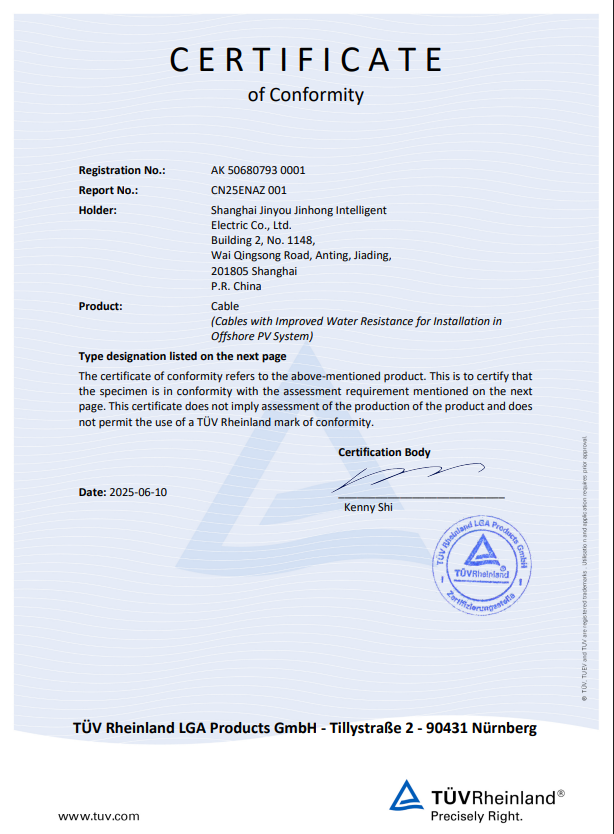
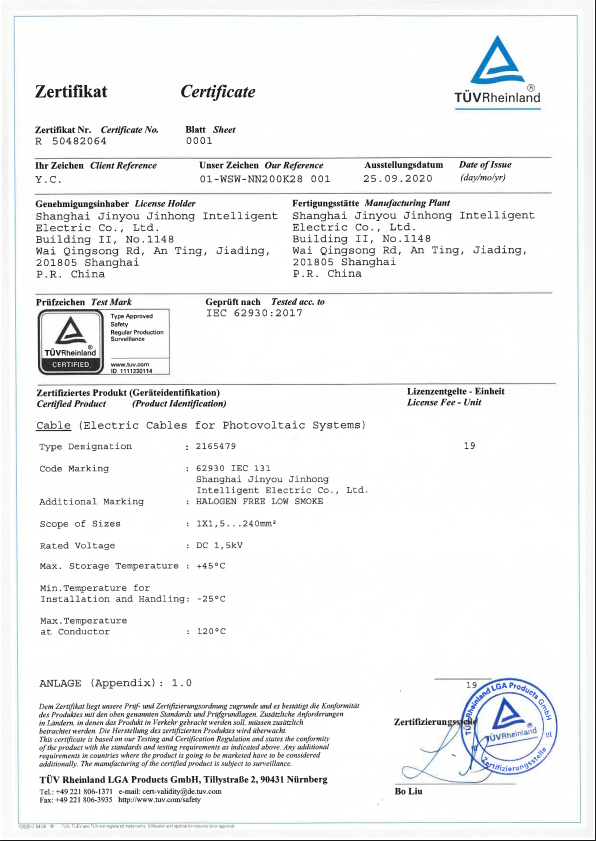
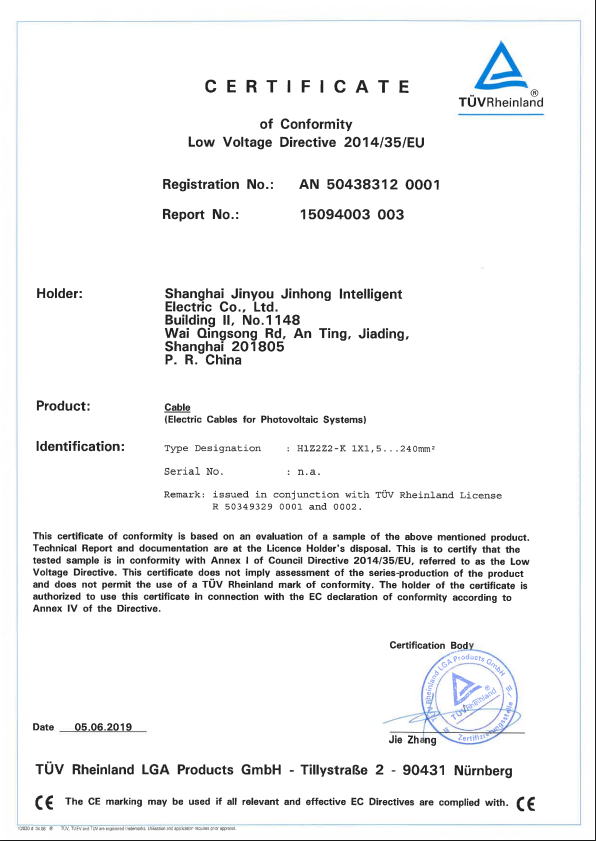
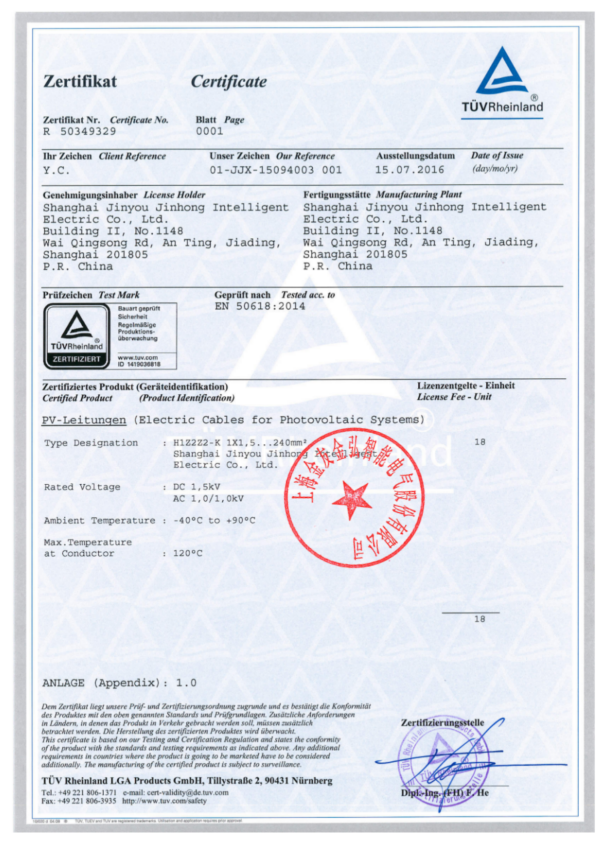
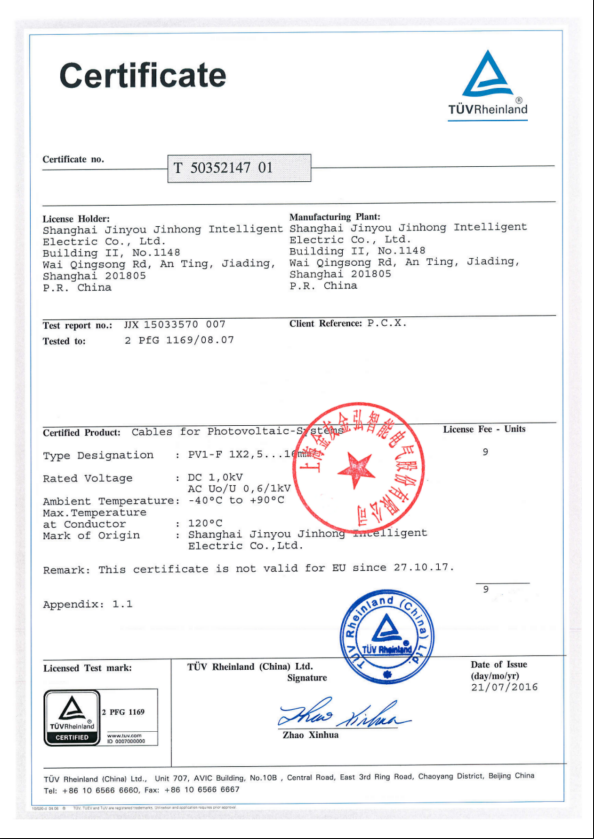
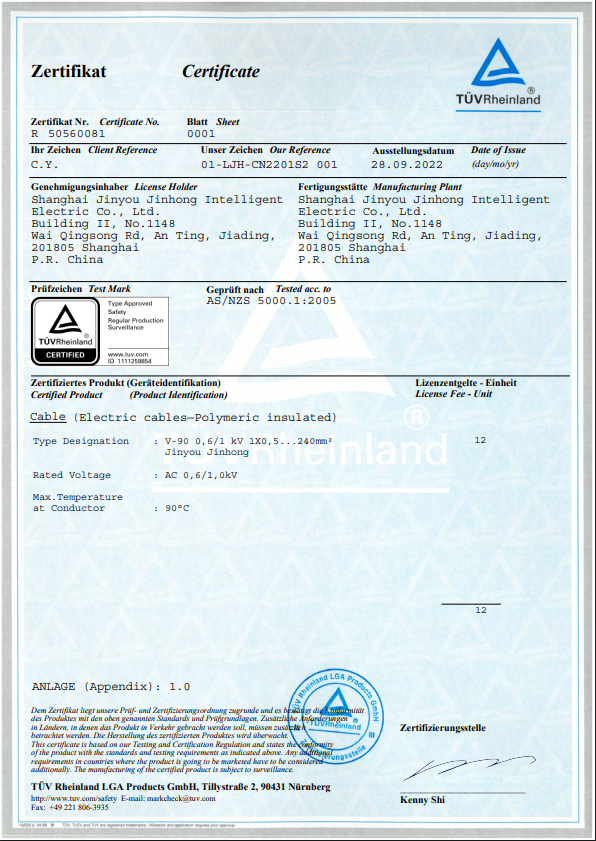
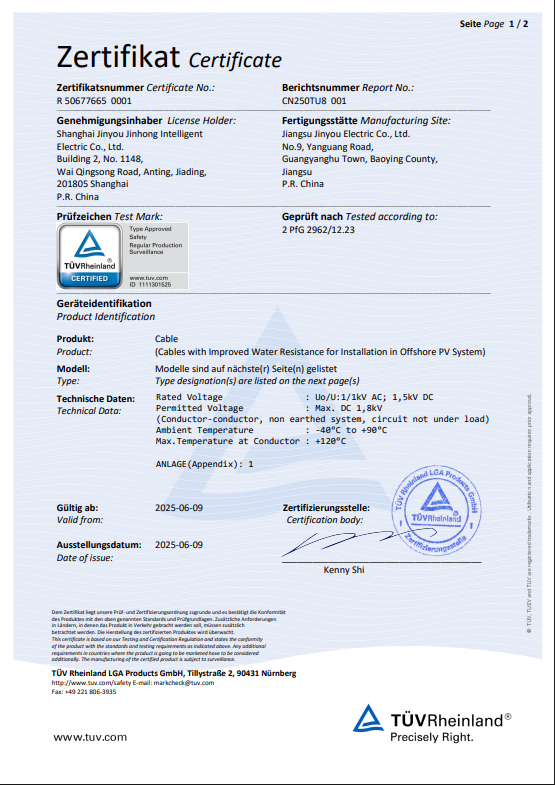
This family page is not used by us as proof of certification, vehicle-platform approval or current capacity. Request the current item documentation needed by your quality and engineering teams.
QA RECORD
QA RECORD
QA RECORD
QA RECORD
QA RECORD
QA RECORD
QA RECORD
×
How We Work on an Automotive Cable RFQ
One brief, one comparison basis
Use the RFQ completeness builder, then apply the quote-normalization scorecard to every response. The score measures missing inputs, not supplier quality or engineering suitability.
01
Define the circuit by sharing system voltage, current basis, route and connected equipment.
02
Define the environment with thermal, bundling, fluid, abrasion, movement and protection conditions.
03
Choose a starting row from the published matrix or leave the family open for review.
04
Align the construction by sharing conductor, insulation, sheath, shielding, marking and interface requirements.
05
Align the evidence with the applicable document edition, validation plan and release records.
06
Receive a scoped response after we review the requirements; quote inquiries receive a reply within 24 hours.
Automotive Cable Engineering & Specification Optimization Tools
01
Automotive Cable RFQ Completeness Builder
Build a normalized input brief. This tool identifies blanks; it does not size a conductor, approve a cable, calculate ampacity or predict price.
Access Tool
02
Published Family Scope Filter
Use two confirmed inputs to shortlist published summary rows. The output is a document-review starting point, not automatic product approval.
Access Tool
03
Quote-Normalization Scorecard
Check the items that are fixed and shared with every supplier. The score measures comparison completeness, not price, supplier quality or cable suitability.
Access Tool
UDTECH
Automotive Cable RFQ FAQs
ACTIVE FOCUS:
01 / Scope Overview
COMPLIANCE:
ISO 19642 / QC/T
SECTION SPEC:
0.35 – 150 mm²
It is a wire-and-cable product designed around vehicle electrical, thermal, mechanical and environmental requirements. In procurement catalogs, automotive wire and cable is an umbrella phrase, and automotive wire may also mean low-voltage primary wire; this page instead focuses on cable families for EV main power circuits. Keep the wire specification, cable construction, connector and terminated assembly as separate RFQ lines so a wire category does not silently change the product form.
The phrases overlap in buyer searches, but page scope matters. This parent page compares six published family identifiers; exact high-voltage shielding and construction decisions require model-level documentation and engineering review.
No. Provide continuous current, peak current, peak duration, duty cycle, route length, bundling, ambient temperature and terminal constraints before a size is reviewed.
Not as a blanket rule. State the circuit, noise source, nearby circuits and termination or bonding concept so shielding can be reviewed at system level.
The published single-core summary rows for EVYJ-C/D extend from 0.35 to 150 mm², while the published single-core EVYJ(P2)YJ-C/D and EVG(P2)G-E rows extend from 1.5 to 150 mm². Verify the current datasheet before release.
The published ranges are -40°C to +125°C for Class C and -40°C to +150°C for Class D. The terms align with temperature-class vocabulary in ISO 19642-1:2023, but that does not by itself establish model compliance.
No. The family page publishes a minimum bending radius of 3D, with D as outer diameter; repeated movement is a separate requirement that should be declared and reviewed.
We respond to quote inquiries within 24 hours. Production and validation timing are stated after the model, construction, quantity and evidence scope are reviewed.
Send voltage, continuous and peak current, route, thermal conditions, core count, construction, shielding concept, interface, length, quantity, packaging, destination and document requirements. The 10-group RFQ builder keeps open items visible.

