Get in touch with JINYOU Cable Company

-
CALL US +86 181 1623 2461
-
EMAIL sales@jinyougroup.cn
Desert Solar Cable for Utility-Scale PV Projects
- Engineer-reviewed quote within 24 hours
- Small-batch supply in 10–30 days
- Samples available before dispatch
- FOB or CIF shipping
Jinyou Cable offers GF-WDZENSR53 photovoltaic cable for desert, Gobi and wasteland environments. Product scope uses copper conductors referencing EN 50618:2014, but a site-specific and approval-compliant construction and evidence pack is documented to each order.
Send Your Desert PV Cable RequirementsReview Technical Specifications
Provide site location, system voltage, cable construction, quantity and required approval listing for engineering assessment of your requirements.
Quote response
Within 24 hours on business days
Small-batch lead time
10–30 days after drawing approval
Production schedule
4–6 weeks, confirmed in the quotation
Minimum production run
3,000 meters per cross-section and color
Sample path
Samples available; non-stock and freight charges quoted before dispatch
Commercial terms
30% deposit / 70% before shipment; FOB or CIF
Desert Environmental Stress and Cable Selection
Desert solar cable construction connects high ambient temperatures, UV, sand abrasion, daily temperature swings and the installation method. Translate those conditions into an engineering assessment for the cable, support and compatible connector; define a site and system approval path for your procurement requirements.
Use Department of Energy guidance for cable management, and reference IEC 62930 scope for solar PV equipment.
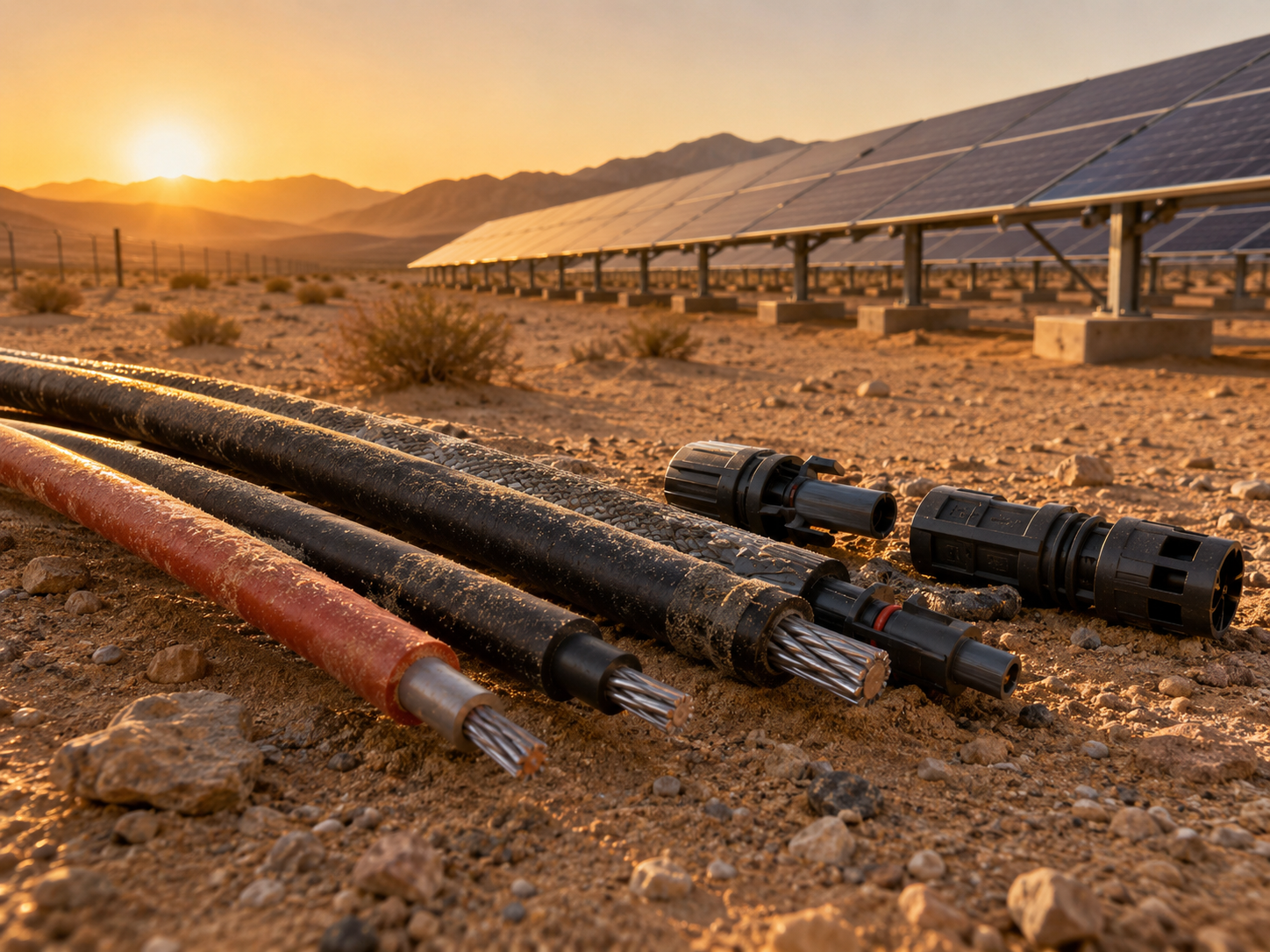
Solar project fit
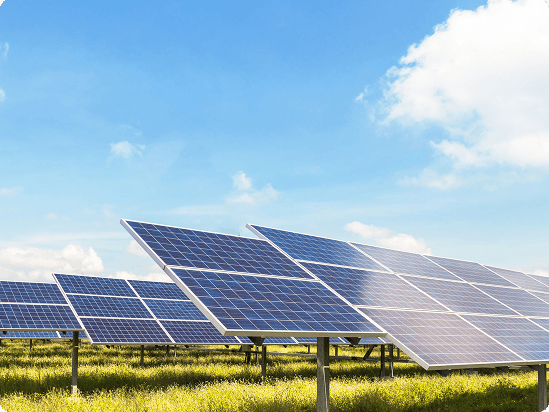
Utility-scale solar plants, solar farms and other renewable energy projects use photovoltaic systems that connect each solar panel to an inverter. The review covers solar power, clean energy and solar PV wiring, with the solar project route recorded before production.
Where the adopted code allows another construction, the brief can compare H1Z2Z2-K cable and PV1-F cable without treating either name as a blanket approval. Solar installations, solar systems and power systems are checked against voltage, route and connector inputs.
Wiring record
Renewable energy projects depend on clear solar wiring and DC wiring schedules; record the cross-link and insulation requirements as separate fields.
Heat and ultraviolet inputs
Record the design ambient, conductor operating limit, irradiance assumptions and sunlight exposure. The resulting voltage rating, insulation choice and ampacity or derating check belong in the quotation package.
Sand and mechanical inputs
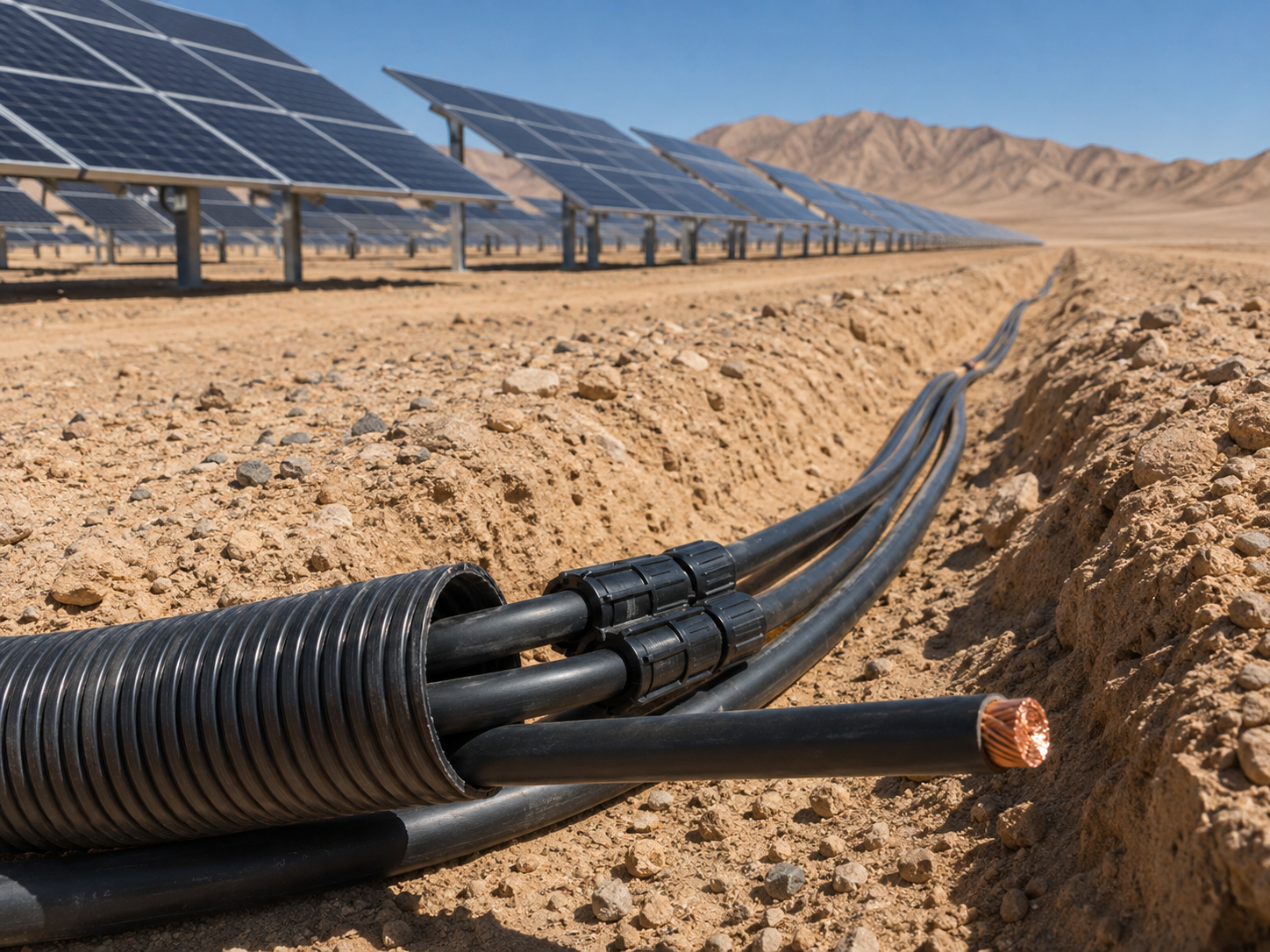
Mark abrasion contact points, unsupported spans, clips, ties, bend transitions and any burial or conduit route. Cable management is part of the installed solution, not a detail that the outer sheath can solve alone.
Electrical interface
List system voltage, cross-section, circuit length, inverter entry and connector manufacturer or model. A mating pair and termination method are checked separately so a familiar cable designation does not hide an interface mismatch.
Approval route
For a United States project, identify the authority having jurisdiction, adopted electrical-code edition and required listing or label. UL 4703 scope is a reference point for photovoltaic wire; it is not a substitute for project-specific acceptance.
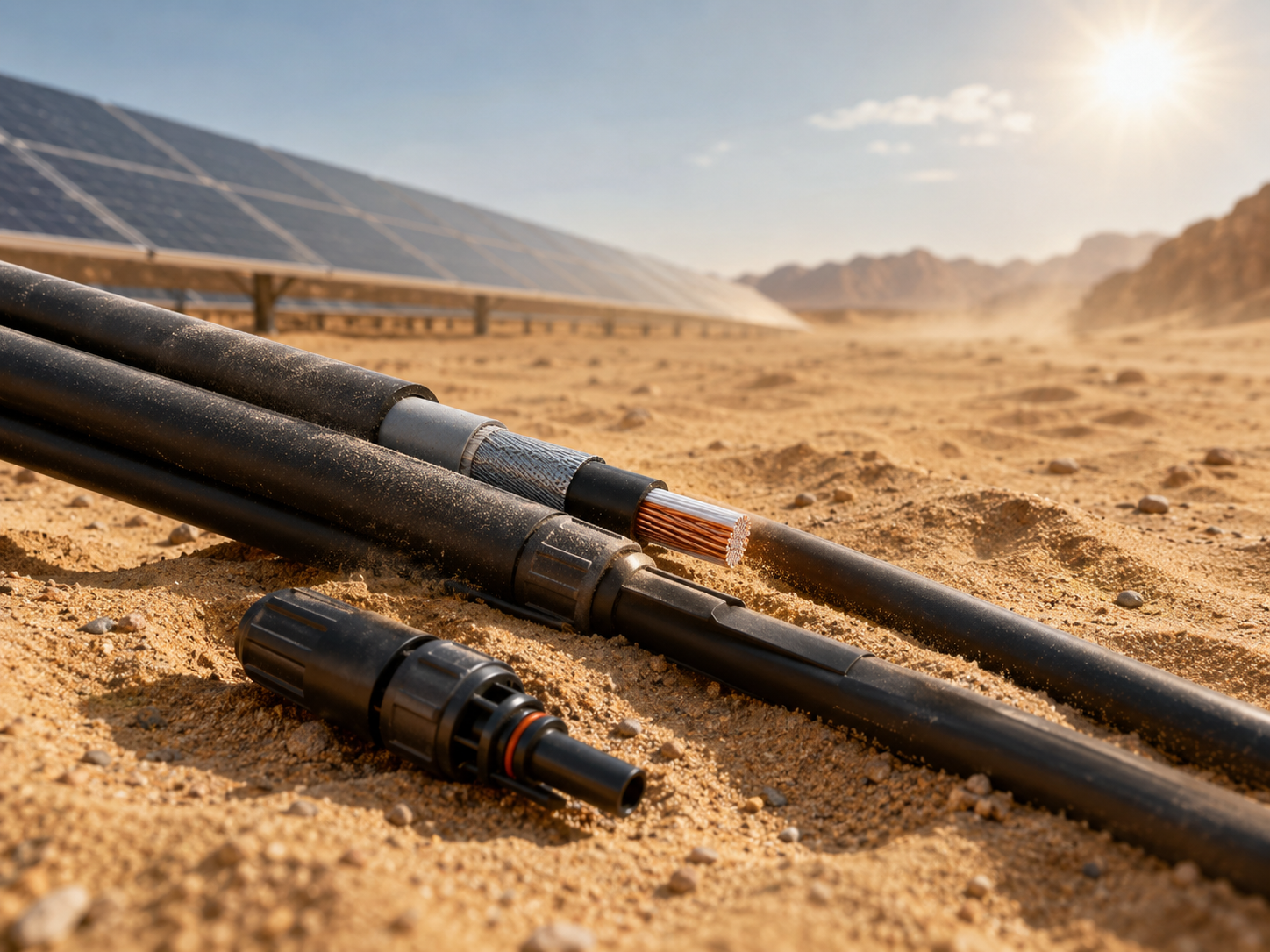
Desert Risk-to-Specification Matrix
| Site input | Selection question | RFQ evidence field |
|---|---|---|
| High ambient temperature | What conductor temperature and ampacity basis will be used? | Design ambient, circuit current, derating method |
| Ultraviolet exposure | Which jacket and test method match the exposed route? | Construction, test method, report scope |
| Sand abrasion | Where can the cable rub, flex or collect grit? | Support spacing, clip material, protective route |
| Temperature cycling | What movement and termination allowance is needed? | Daily range, bend radius, termination detail |
| Burial or conduit | Is the offered construction qualified for this method? | Depth, water exposure, mechanical protection, local code |
| Connector interface | Does the cable and connector pair share an approved mating path? | Manufacturer, model, crimp method, inspection record |
Turn site conditions into a reviewable cable scope.
Request a Cable Specification ReviewDesert Solar Cable Product Scope
Keep Jinyou cable product references separate from scope-equivalent test records. Send the site destination, required approval list and delivery specifications in your project brief so construction and evidence can be matched to the requested scope.
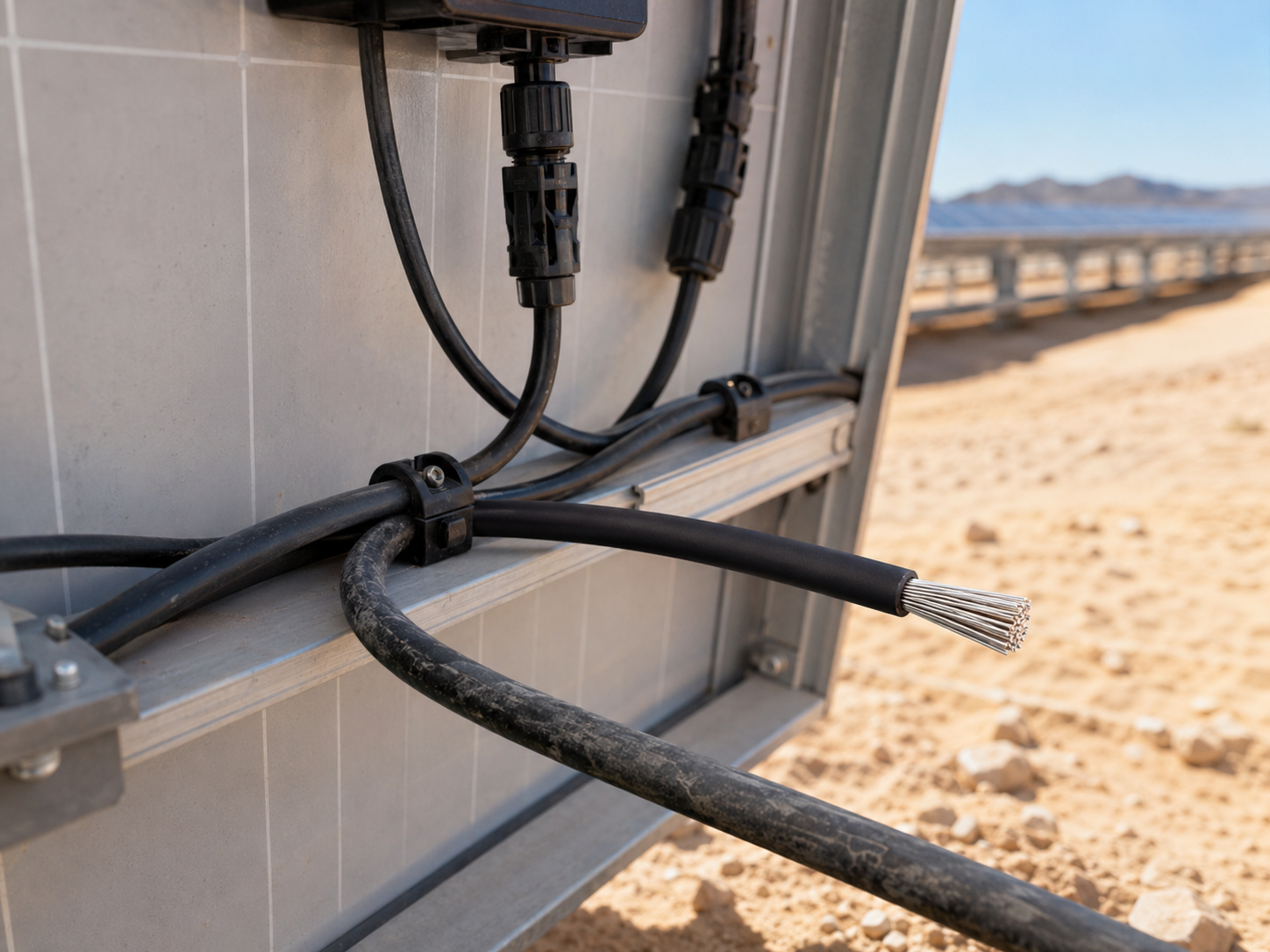
Conductor, Insulation, and Sheath Construction
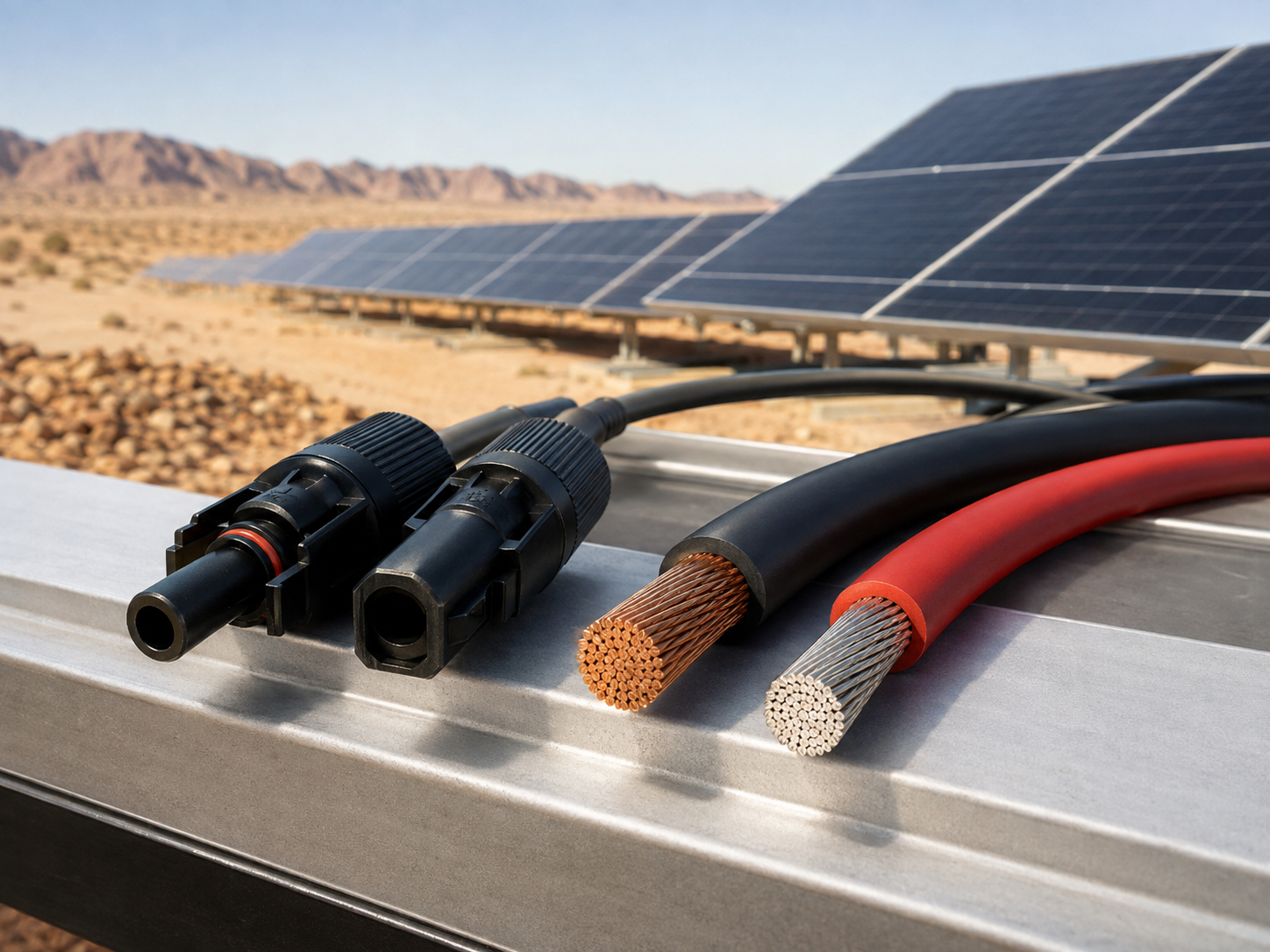
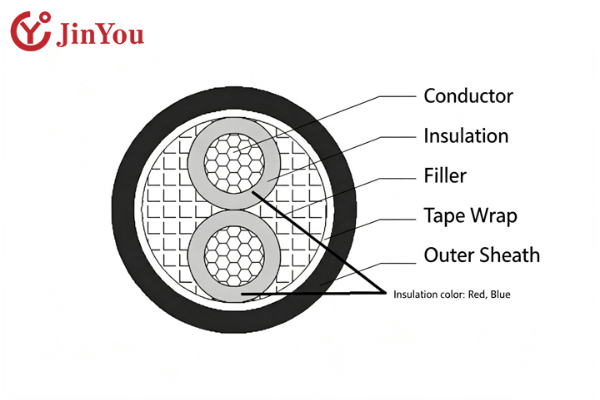
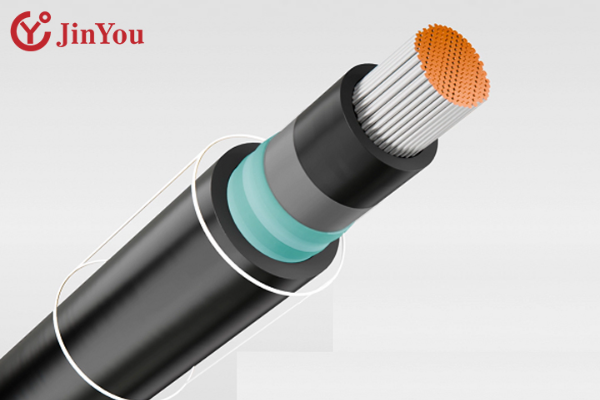
Conductor material, insulation and outer sheath form the cable construction, which is evaluated together. Copper or tinned copper material is referenced only within the specific Jinyou product range where it applies; where needed, specify low-smoke, halogen-free or other environmental standards as discrete test parameters.
The Jinyou H1Z2Z2-K reference provides the construction values described here; its product scope remains separate and tied to the environmental range documented for that reference.
Use the IEC 62930 photovoltaic-cable scope as a standards cross-check, then keep the offered model and test record as the controlling construction evidence.
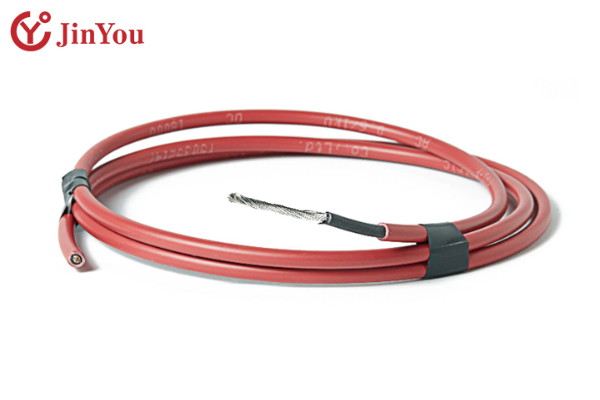
Conductor
GF-WDZENSR53 is identified with a copper conductor. The H1Z2Z2-K 1500V reference uses Class V annealed tin-plated copper, 56/≤0.31 mm.
Insulation
Insulation thickness, tensile strength, elongation and voltage withstand are read against the exact model and test record. Values are not transferred between product families.
Outer sheath
Sheath selection follows sunlight, ozone, sand contact, water exposure, bend route and local installation rules. The construction and test method are written into the quotation before production.
Construction fields to confirm
| Field | Why it changes the order | What we record |
|---|---|---|
| Conductor class and plating | Changes flexibility, termination and resistance inputs | Material, class, strand count and size |
| Insulation compound and thickness | Sets voltage, temperature and stripping conditions | Nominal and minimum dimensions with report scope |
| Outer sheath | Controls exposed-route handling and abrasion review | Construction, color, marking and requested tests |
| Marking and packaging | Supports reel identification and site receiving checks | Artwork, meter mark, reel size and packing instruction |
Technical Specifications and Verification Values
The following table lists construction values referenced by a Jinyou H1Z2Z2-K 1500V product. This 'scope' column has a deliberate purpose: the value may not apply to GF-WDZENSR53 unless explicitly defined by a project-specific record.
Scope of the photovoltaic cable is based on IEC 62930; this is not equivalent to or a replacement for specific project construction proof and laboratory reports.
A numerical resistance value, isolated from its construction and testing, cannot be evaluated because the identified record defines its scope.
The verification gap is a procurement risk because IEC 62930 scope and the 5.09 Ω/km record answer different questions; keep the numeric test report with the exact model.
| Parameter | H1Z2Z2-K 1500V reference | Scope |
|---|---|---|
| System voltage | 1500V DC | Photovoltaic power-plant cable reference |
| Conductor | Class V annealed tin-plated copper, 56/≤0.31 mm | H1Z2Z2-K product page |
| Nominal thickness | 0.70 mm | H1Z2Z2-K product page |
| Minimum thickness | 0.53 mm | H1Z2Z2-K product page |
| Average thickness | 0.80 mm | H1Z2Z2-K product page |
| Maximum DC resistance at 20°C | ≤5.09 Ω/km | H1Z2Z2-K product page |
| Finished-product AC withstand | 6.5 kV / 5 min, no breakdown | H1Z2Z2-K product page |
| Insulation tensile strength | ≥8.0 N/mm² | H1Z2Z2-K product page |
| Insulation elongation at break | ≥125% | H1Z2Z2-K product page |
Verification fields for a released value
- Exact offered model and construction
- Report or certificate identifier
- Tested specimen and issuing laboratory
- Method, date, measured value and pass boundary
- Destination listing or label requirement
Need another cross-section or approval route? Share the specification and we will map the requested values to the exact offer before quotation.
Start Specification Engineering ReviewPricing Factors, MOQ, and Lead Times
Desert solar cable pricing is based on the construction and delivery brief; a rate card is not applicable. Changes in conductor class or cross-sectional size, insulated sheath materials, identification marking, total coil or length specification, delivery format, scope of testing or delivery terms change the total quoted scope.
Begin your bid process with our solar cable product offering; conclude with a detailed construction and delivery scope.
| Quote driver | What it changes | Input to send |
|---|---|---|
| Conductor and cross-section | Material load, resistance target and production setup | Material, size, colors and total meters |
| Construction and standards | Insulation, sheath, test sequence and evidence pack | Required standard, listing and report fields |
| Marking and packaging | Artwork, meter marks, reel selection and handling | Artwork file, reel length and packing instruction |
| Delivery term | Freight scope and receiving responsibility | Destination port or address; FOB or CIF preference |
| Stage | Working time | Scope |
|---|---|---|
| Quote review | Within 24 hours | Engineer-reviewed response on business days |
| Small-batch order | 10–30 days | After drawing and construction approval |
| Production run | 4–6 weeks | Confirmed in the written quotation |
Commercial terms
Samples
Samples are available. Non-stock sample and freight charges are quoted before dispatch.
Minimum run
Production starts from 3,000 meters per cross-section and color.
Payment and freight
We use a 30% deposit before production and 70% balance before shipment. FOB or CIF terms are available.
Quality Control and Project Documentation
Quality assurance begins with the material specifications and project information package, follows manufacturing and inspection of the approved cable construction, and ends with dispatch and the agreed certification procedures. We coordinate the evidence pack with the specific project site name, laboratory or testing specimen and approval criteria described in your query.
Order-control sequence
We check the cable, connector and route as one DC path before a quotation is released.
Material review
Supplier qualification and environmental documents are checked for the requested conductor and insulation inputs.
Construction confirmation
Cross-section, color, marking, reel length and test requirements are fixed before production.
Process checks
Production records and dimensional checks follow the released construction.
Batch inspection
The agreed values and acceptance boundary are recorded against the offered model.
Document pack
The quotation defines the report, inspection, packing and shipping records delivered with the order.
Jinyou Cable engineering review principle
Evidence fields
For each published value, provide the model, report identifier, specimen, laboratory, method, date, measured result and pass boundary. This keeps a certificate or report tied to the cable that was actually offered.
Project handover
System-level commissioning and handover documentation follows the project scope. IEC 62446-1 is a reference for system documentation and tests, not a universal product certificate.
Request the right document
Name the required report, listing, inspection or third-party witness in the RFQ. We return the available evidence path with the quotation so the approval team can review one defined package.
From Desert Site Data to Cable Delivery
Integrate project specifications from site definition through submission and approval to commissioning and final handover to avoid design creep or procurement slippage.
The sequential flow ensures documentation visibility before production dates are locked.
Department of Energy procurement guidance emphasizes traceability of technical specifications from design into material acquisition and through installation, verification and system operations.
| Input group | Examples to include | Decision made |
|---|---|---|
| Jurisdiction | Country, state, authority, adopted code edition | Required listing, label and review route |
| Environment | Ambient temperature, ultraviolet, sand, moisture | Construction and test fields |
| Electrical | System voltage, current, cross-section, length | Voltage rating and derating inputs |
| Installation | Support, routing, bundling, bend radius, abrasion, burial | Mechanical protection and cable-management actions |
| Interfaces | Connector manufacturer, model, crimp and termination | Mating and workmanship checks |
| Documents | Report ID, inspection, packing and handover requirements | Evidence pack and acceptance record |
Build a desert exposure profile, estimate solar-cable voltage drop or check a desert PV quote brief before sending your requirements.
Give the review team a complete brief. The more precise the site and approval inputs, the more useful the first quotation becomes.
Send Your Desert PV Cable RequirementsProduct and Application Imagery
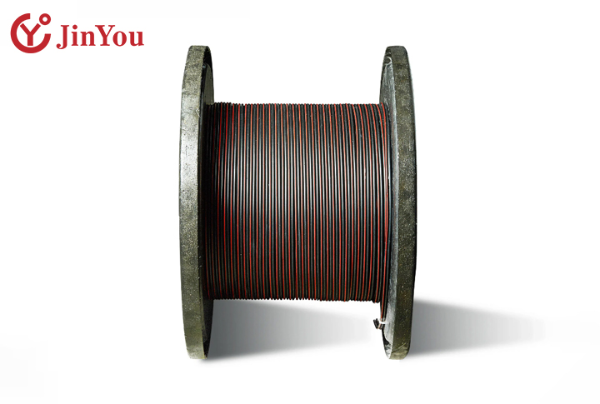
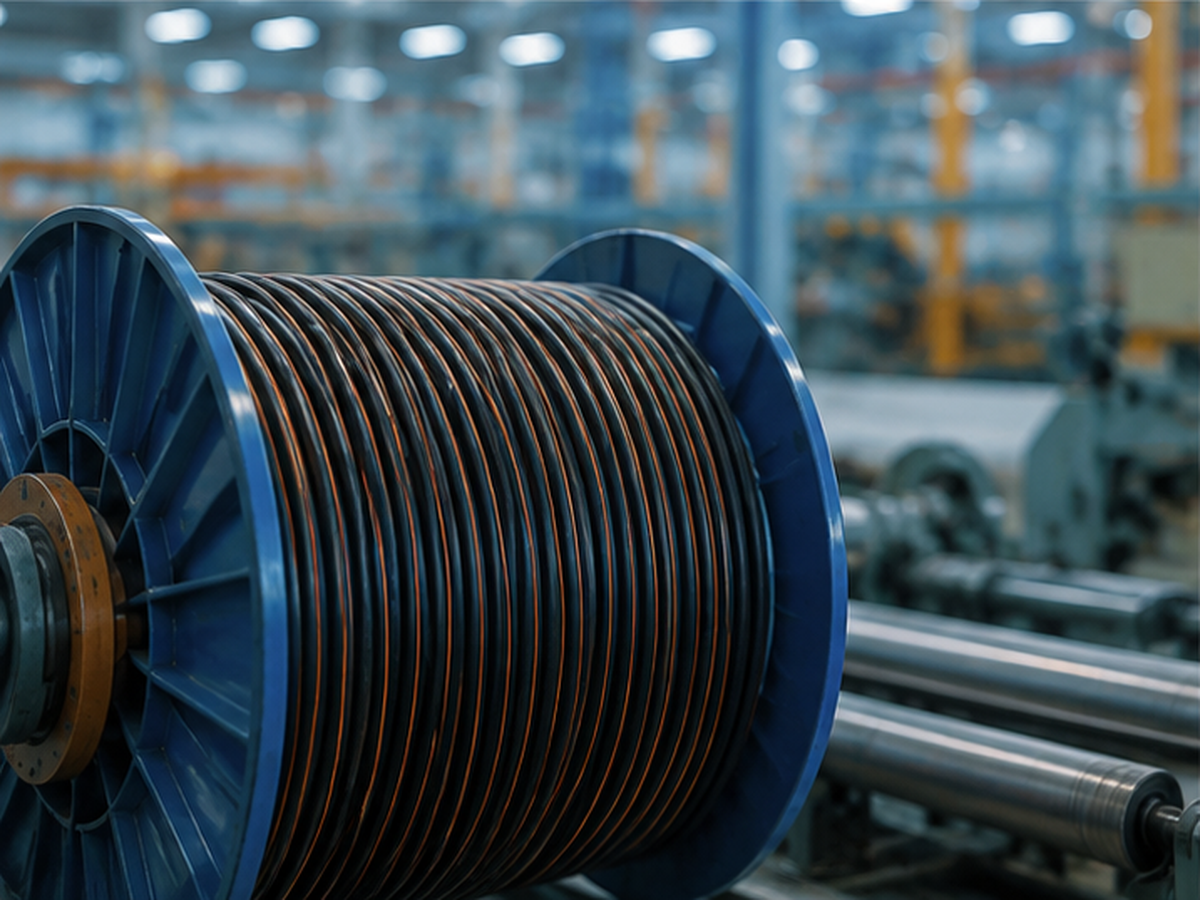
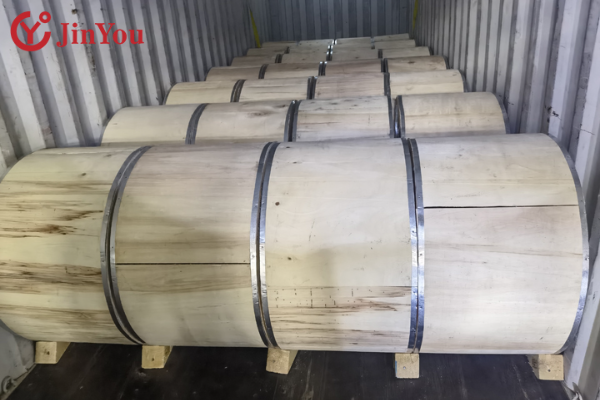
The following images show Jinyou cable construction and packaging for material, identity and dispatch context, including the reels and bundles. Captions stay focused on the physical construction and external features visible in each image.
The Jinyou desert-proof cable listing identifies the product range; captions are limited to what is visible.
What to match against the image
Product family and model on the quotation
Conductor, insulation and sheath construction
Color, marking, reel length and packing instruction
Destination label and receiving inspection fields
Desert Solar Cable Engineering & Selection Tools
Evaluate extreme UV radiation, sandstorm abrasion, and elevated ambient temperature degradation factors for desert photovoltaic cable installations.
Calculate voltage loss, conductor power dissipation, and optimal cross-sectional sizing across extended desert PV array cable strings.
Verify project procurement specifications, insulation standards, and site compliance criteria prior to request for quotation submission.
Desert Solar Cable FAQ
The responses below keep product range, installation method and purchase decision separate. Use the Jinyou solar cable range as the product starting point for a specific request.
Include project location, authority having jurisdiction, adopted code edition, system voltage, cross-section, quantity, route, support and bundling conditions, abrasion or burial exposure, connector model, termination method and required listing.
No. GF-WDZENSR53 is identified for desert, Gobi and wasteland applications with a copper conductor and an EN 50618:2014 product-page reference. The 1500V values in the specification table belong to the separate H1Z2Z2-K product reference.
No. EN 50618 is a product-standard reference. United States acceptance still follows the authority having jurisdiction, adopted code edition and the required listing or label for the offered wire.
No. Routing, support, bundling, length, bend radius and insulation selection remain installation inputs. The cable management plan protects the complete DC path.
Only when the offered construction and local installation rules cover that method. Confirm water exposure, depth, mechanical protection and the project's approval route before release.
Provide the connector manufacturer and model, crimp or termination method, conductor size and inspection requirement. The cable designation alone is not a mating-pair approval.
Buyers often point first to ultraviolet and heat, then find that unsupported spans, tight bends, grit contact or a hot termination can control practical risk. Put those details in the site brief.
Request the marking, reel and color details with the sample. Non-stock sample and freight charges are quoted before dispatch so the trial has a defined commercial path.
The H1Z2Z2-K page lists 1500V DC scope, Class V annealed tin-plated copper, thickness values, resistance, AC withstand, tensile strength and elongation. Each value stays tied to that product reference.
The production minimum is 3,000 meters per cross-section and color. Samples are available for evaluation before a production run.
Quotes are returned within 24 hours on business days, reviewed by an engineer. Small-batch orders run in 10–30 days and production schedules are set at 4–6 weeks in the written quotation.

