Get in touch with JINYOU Cable Company

-
CALL US +86 181 1623 2461
-
EMAIL sales@jinyougroup.cn
Solar Power Cable Solutions for Global B2B Projects
JINYOU Cable enables solar, storage and renewable-energy buyers to translate a cable request into an easily reviewable project specification. System role, voltage and size inputs, environment, connector interface and evidence pack flow into a commercial response before the feedback is developed.
- Project-fit inputs before quotation
- Evidence-pack review by an engineering team
- PV, storage and OEM cable scope
- International project handover
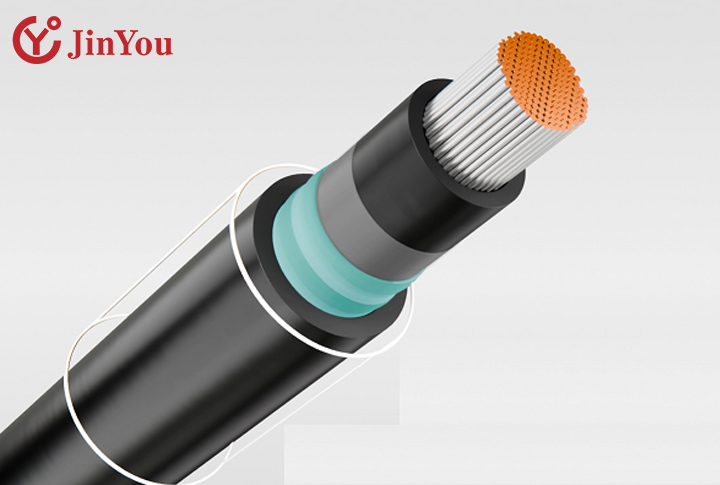
Review sizing inputs
Send the model, drawing or current document revision you already have; the review surfaces the fields you need to confirm.
Company
JINYOU Cable, established in 2006 in Shanghai
Product scope
Photovoltaic and solar power cables
Adjacent systems
Energy-storage cables and electric-vehicle cables
Engineering route
Custom OEM cable solutions
Production
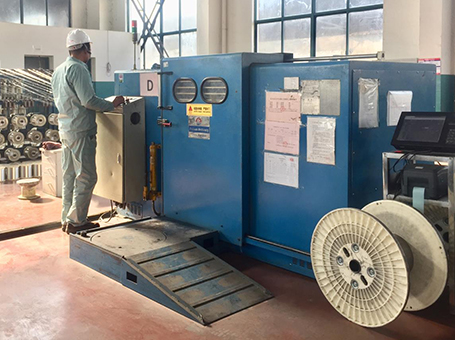
Automated production systems
Testing
Automated testing systems
From Solar Cable Requirements to a Reviewable Project Specification
A solar power cable request is reviewable only when the electrical duty, physical route and document scope travel together. A photovoltaic cable can be technically suitable but still not meet an approval path when its marking, connector family or document revision does not match the target market.
System role
Identify module interconnect, DC string, combiner, storage or another system role before comparing cable construction.
Installation context
Record indoor or outdoor exposure, routing, support, protection and the environmental conditions that the project team will approve.
Evidence handover
List the datasheet, test report, marking, revision and any market-specific conformity document needed for internal release.
Signals we resolve before quotation
- Model marking and revision check before a compliance statement
- Routing support protection and connector-mating errors can undermine a suitable cable
- Connector family polarity and assembly controls affect reliability
- AWG and connector questions need voltage design basis distance environment and destination
Because the cause of many approval delays is a lack of handoff, the evidence request aligns to IEC 62930:2017 and the buyer’s market instead of making a best guess of a universal answer.
Our Solar Cable Project-Fit Matrix links market, system role, voltage/size, environment, connector/marking, evidence pack and owner so an open item has a named next action.
JINYOU Cable PV, Storage and OEM Capability Scope
JINYOU Cable was established in 2006 in Shanghai and supports international renewable-energy buyers with an OEM review path. Its product scope includes photovoltaic and solar power cables, energy-storage cables, electric-vehicle cables, integrated electrical systems and custom OEM cable solutions.
[REF] The applicable cable scope is checked against the IEC 62930:2017 publication; this is a scope reference, not a model-specific conformity claim.
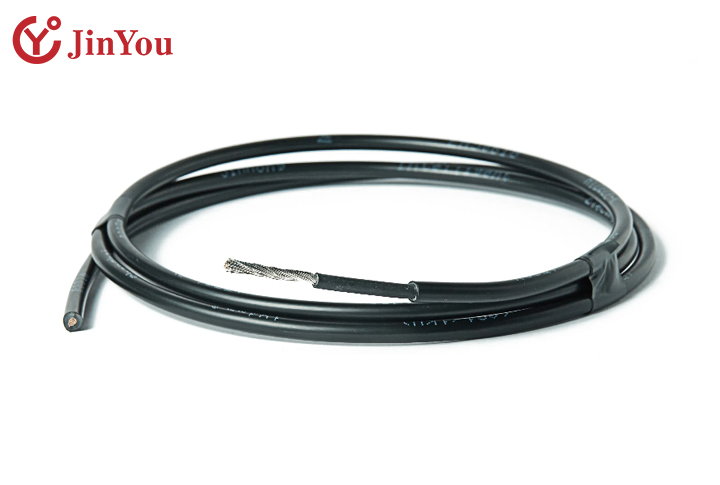
Company and production context
Our factory organizes production and testing around the project record because a document gap can delay a release even when the cable itself looks suitable. We align the model, marking and revision to the applicable IEC 62930:2017 scope before the evidence pack is handed to procurement.
Renewable-energy cable families
The review organizes solar panel cable and solar DC cable requirements around conductor, insulation, jacket, connector and route inputs rather than a one-size product label.
Integrated project support
We operate automated production systems and use automated testing systems, with export experience across international markets for document-led handover.
[SCOPE OF REVIEW]
Scope we can review with your team
- PV cable, solar power cable and solar panel cable requirements
- Energy-storage cable interfaces and integrated electrical systems
- Electric-vehicle cable and custom OEM cable solutions
- Model, drawing, test report and marking revision alignment
Conductor, Insulation and Jacket Inputs for PV Cable Selection
Material selection begins with the duty and the route, then advances to a model-specific construction review. We keep the input list visible so a buyer can see which entry belongs to the project brief and which item still needs engineering approval.
Voltage and construction scope should be reconciled with the IEC 62930:2017 cable publication before a model is released.
What to send
Copper or other specified conductor, cross-section or AWG
Review question
Does the design basis and termination method match the requested conductor?
What to send
Insulation family, colour and voltage class
Review question
Does the construction and marking fit the target market and system role?
What to send
Jacket material, colour and exposure condition
Review question
Does the jacket address the route, support and protection details?
What to send
Connector family, polarity and mating reference
Review question
Is the interface identified instead of assumed interchangeable?
Selection handoff
Send the existing solar PV wire, photovoltaic cable or solar DC cable specification with its revision. The handoff returns a list of confirmed fields, open fields and the evidence file that should close each open field.
Where the risk sits
The common assumption that a cable label is enough creates a traceability gap. We connect conductor, insulation, jacket and connector choices to the route and the test report before the quote is released.
Connector, Marking and Installation Interface Review
Connector reliability depends on the mating interface and the installation method, not on a product name alone.
DOE guidance places cable routing, support and protection inside the installation control loop, while NREL research proves connector failure modes that justify a project-specific check. Read the DOE/FEMP guidance with the NREL connector analysis when defining routing and mating controls.
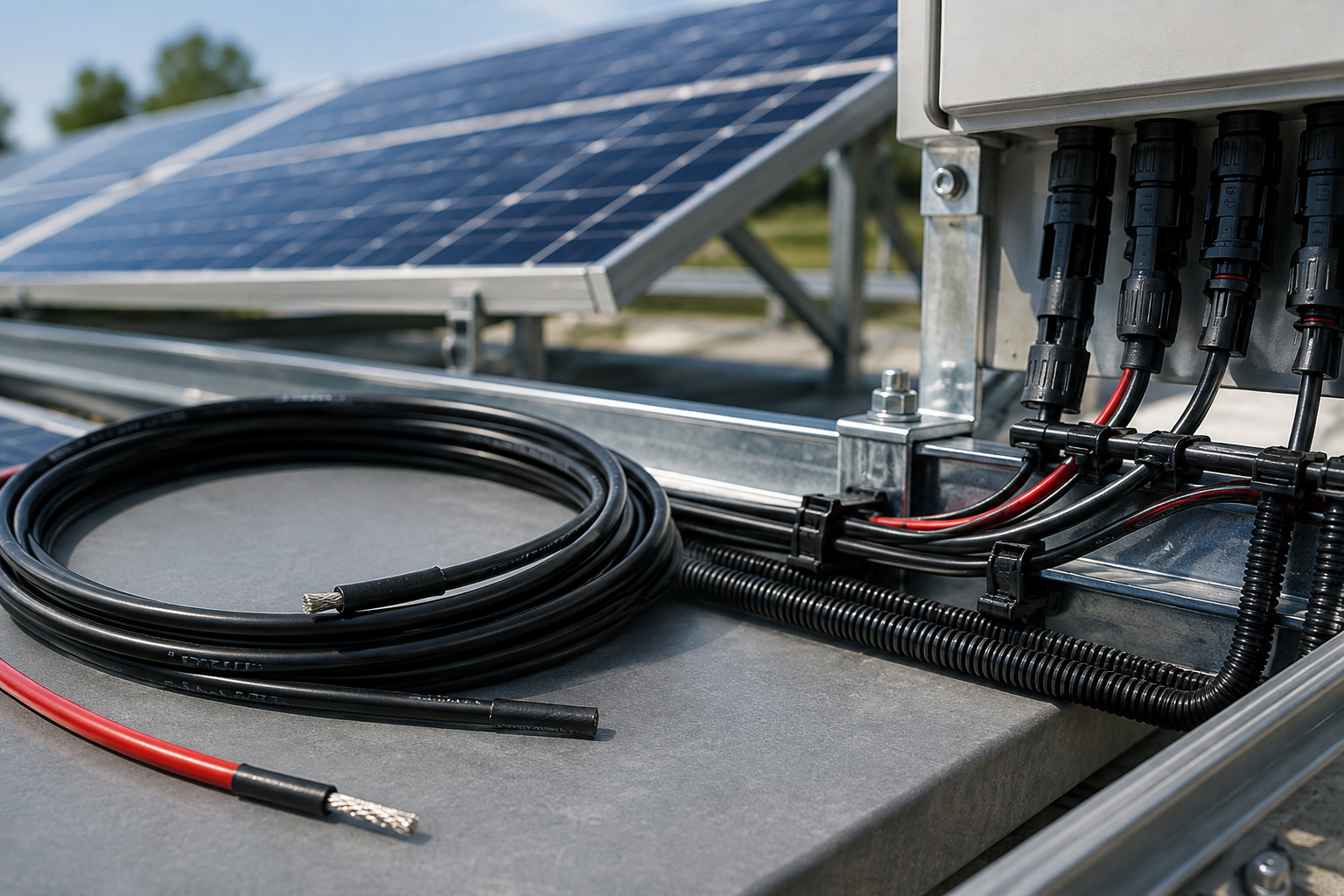
Buyer input
Part number, mating half and polarity
Review output
Compatibility status and any sample or drawing request
Buyer input
Legibility, colour, cable identification and revision
Review output
Marking checklist aligned to the offered model
Buyer input
Route drawing, support points and protection method
Review output
Open installation risks for the project owner
Buyer input
Indoor/outdoor position, exposure and storage conditions
Review output
Evidence fields to confirm against the selected construction
A connector fit does not constitute an approval statement. The project record keeps the interface decision, evidence owner and document revision visible.
Connector language for the RFQ
The phrase pv cable connector is a useful search term, not a complete interface specification. Send the family, polarity and mating reference so the review can identify what is interchangeable and what is not.
Voltage, Size and Installation-Fit Review
The table below distinguishes published reference points from buyer inputs. It is a sizing and evidence discussion, not a blanket ampacity recommendation for every solar power cable installation.
01
IEC voltage scope
IEC 62930:2017 addresses photovoltaic-system cable scope up to 1.5 kV DC; confirm the exact construction and market.
02
Continuous conductor
90 °C is the continuous-conductor reference described in the IEC 62930 scope; confirm the offered model before use.
03
Limited-period reference
120 °C is a limited-period reference in that scope; it is not a blanket installation rating.
Scope Reference
IEC 62930:2017
Official
Published reference points vs buyer inputs
07
Reliability context
An NREL connector study examined 117 specimens; that research context is not a JINYOU failure-rate claim.
04
Size example
“PV wire 10 AWG” is an input example only; no ampacity is inferred without design current, route and ambient data.
05
Route record
1 route drawing or installation description is requested so support and protection can be reviewed.
06
Evidence revision
1 current datasheet and test-report revision pair should be identified for the approval package.
Solar Cable RFQ, Pricing and Delivery Inputs
Price depends on construction, quantity, destination, testing scope and document package your project needs. A comparable solar cable supplier response begins with the same input set, so the RFQ should show what is fixed and what is still under review.
Construction
Why it changes the quote
Conductor, insulation, jacket and connector choices define the requested build.
What to include
Model or drawing, material and cable structure
Quantity
Why it changes the quote
Length, reels, cut lengths and order staging affect the commercial comparison.
What to include
Annual quantity, first release and packaging unit
Destination
Why it changes the quote
Shipping lane and import handover fields belong in the landed-cost discussion.
What to include
Country, port or delivery point and required documents
Evidence Pack
Why it changes the quote
Testing and document revisions add review work that should be visible before approval.
What to include
Test report, datasheet, marking and conformity scope when applicable
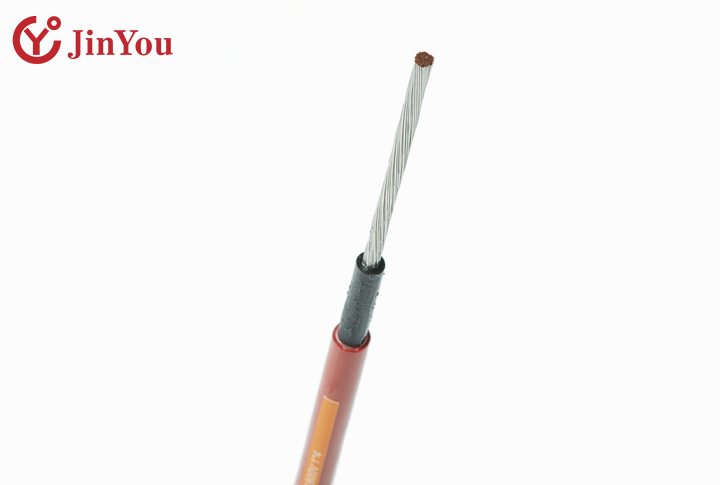
Test Evidence, Traceability and Shipment Documents
Quality review is a chain from model identity to the document revision that the receiving team approves. We use automated testing systems and keep traceability, test report, marking and revision fields in the handover checklist.
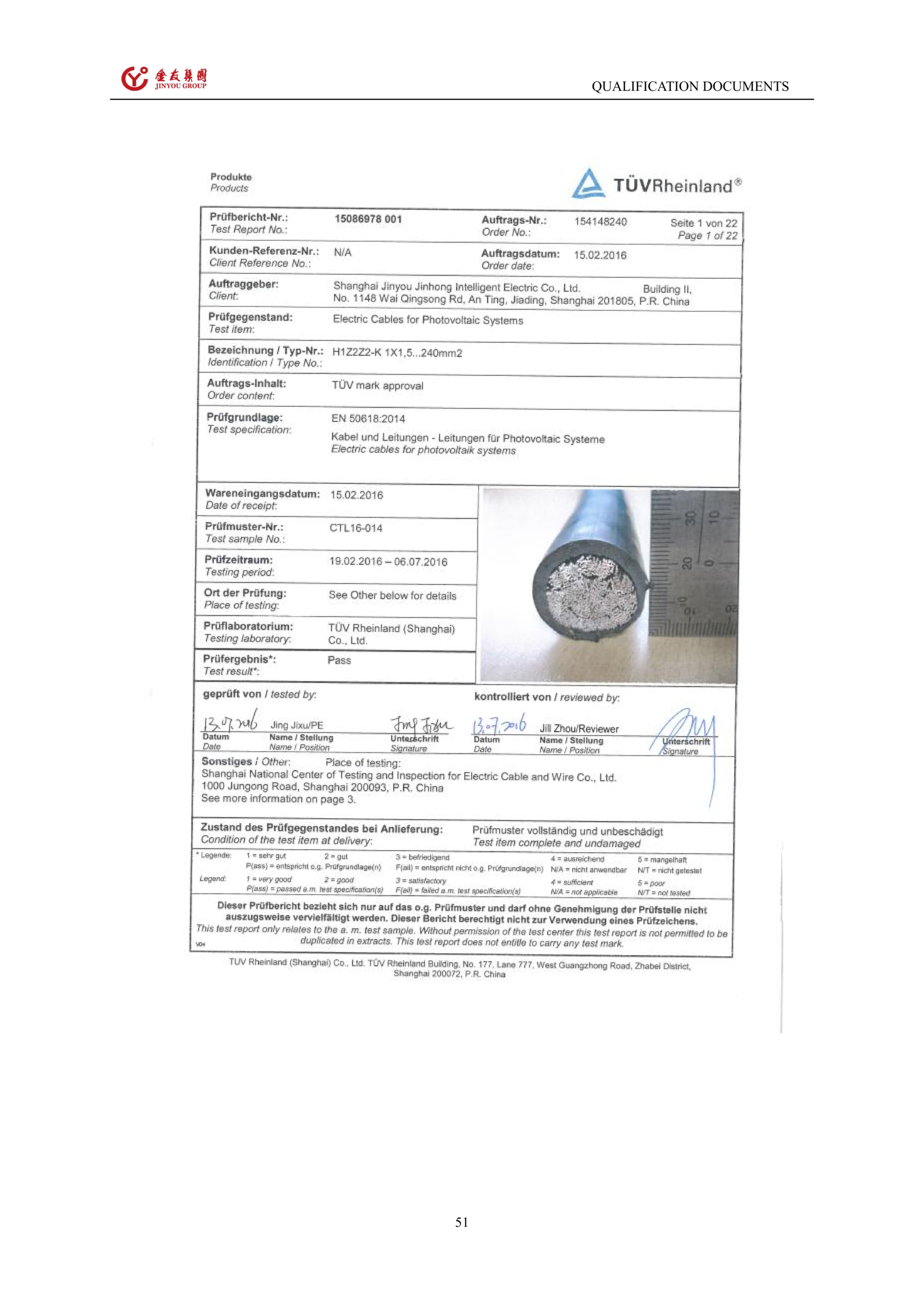
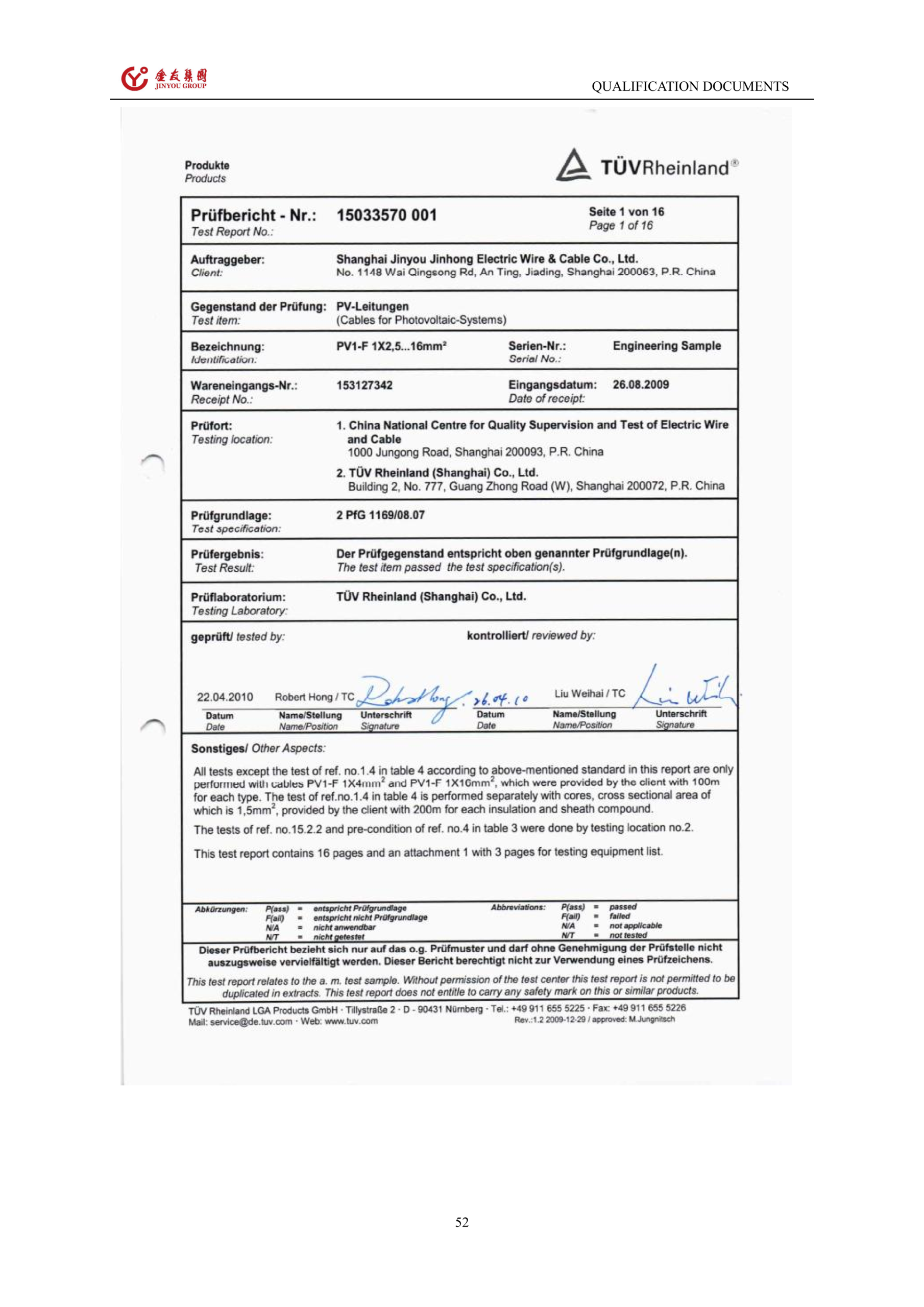
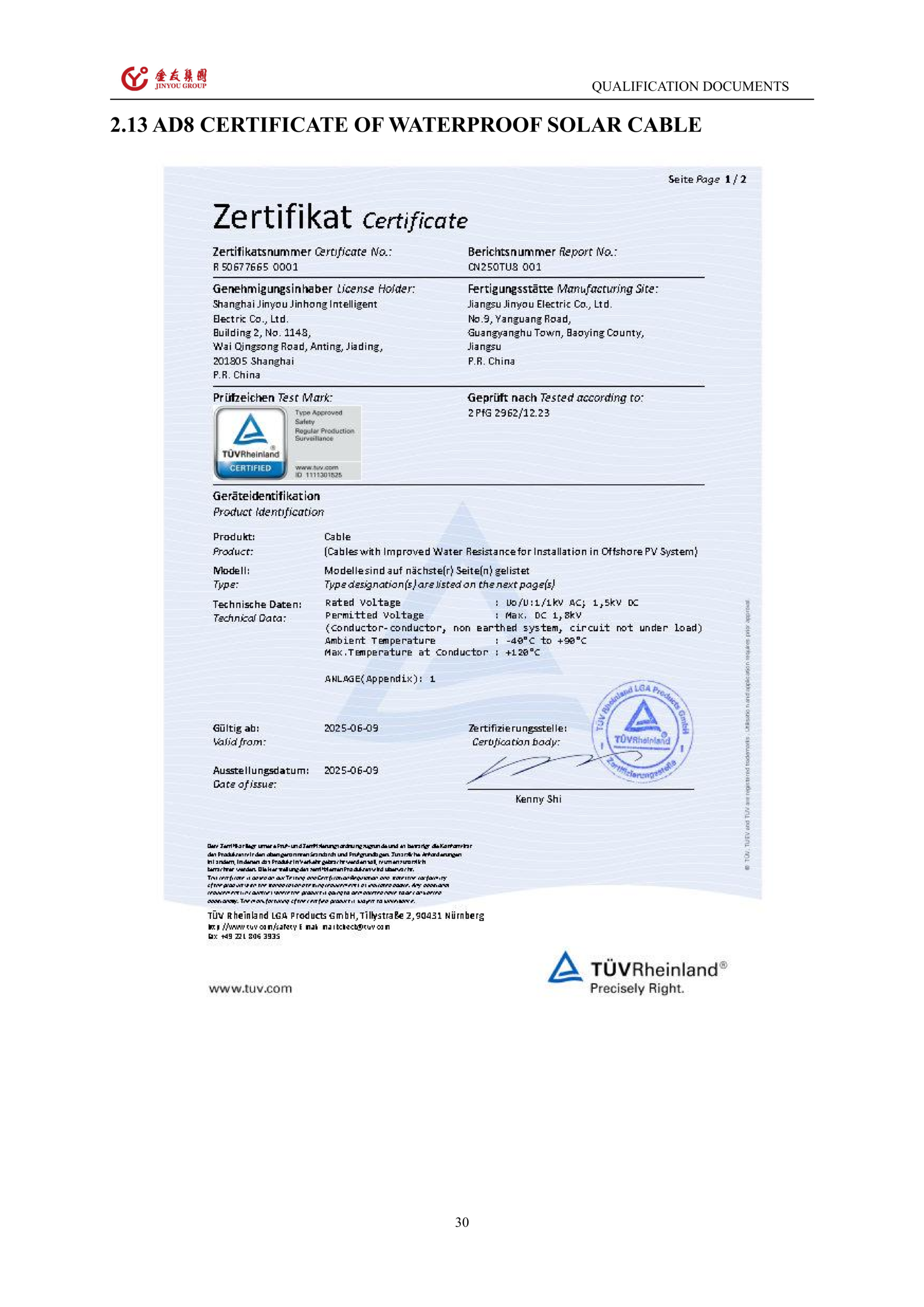
Certification context comes from UL Solutions solar materials and components guidance; the exact certificate or declaration remains model- and market-specific.
Evidence pack checklist
Verification Target
Match the offered model, conductor, insulation, jacket and connector to the buyer brief.
Standard Scope
Identify the applicable standard scope, such as IEC 62930:2017, without treating the standard number as a conformity certificate.
Document Check
Check the datasheet and test report revision, marking and stated scope.
Shipment Approval
Record open items, owner and closeout evidence before shipment approval.
Model-to-document control
UL Solutions describes solar certification work for products such as UL 4703 PV wire and UL 6703/6703A PV connectors. We ask for the exact certificate or declaration when applicable, then match product identity, marking, construction, revision and market scope.
Traceability is useful only when the record matches the actual supplied cable. The receiving team can request the test report and document set that the quotation references.
06 OEM
Six-Step Solar Cable OEM Review Process
PROCESS.ON
01
Send the brief
Share model, drawing, system role, voltage/size, environment, connector and destination.
02
Check the inputs
The team maps conductor, insulation, jacket, marking and evidence-pack requirements.
03
Review the route
Installation, support, protection and interface questions are identified before approval.
04
Confirm documents
The datasheet, test report, revision and any market-specific conformity record are aligned.
05
Agree the quotation
Commercial scope, quantity, packaging and handover documents are written into the response.
06
Handover
The project owner receives the agreed cable and document trail for approval and receiving inspection.
DATA.MATRIX
Design notes that reduce rework
Connector interface
Specify
Family, polarity and mating reference
Why it helps
Prevents a “fits therefore approved” assumption.
Route and support
Specify
Drawing, support points and protection
Why it helps
Turns installation exposure into a reviewable input.
Document revision
Specify
Current datasheet and test-report IDs
Why it helps
Keeps procurement and engineering on the same version.
Quantity staging
Specify
First release, annual volume and packaging unit
Why it helps
Allows suppliers to compare the same commercial basis.
Project-Fit Evidence for Solar Power Cable Buyers
The evidence path remains reviewable for a buyer who must get engineering and procurement approval. The public page describes the handoff method; model-specific certificates, test reports and customer records are cross-checked against the actual quotation scope.
Use the UL Solutions certification context as a model-identity check, not as a blanket claim for every cable.
Identity
JINYOU Cable was established in 2006 in Shanghai and serves international markets.
Scope
Photovoltaic and solar power cables sit alongside storage, EV and integrated electrical systems in the project scope.
Control
We operate automated production systems and use automated testing systems for a document-led handover.
SYSTEM // SPEC_EVALUATION_ACTIVE
When a Standard Solar Cable Specification Is Not Enough
Not all incoming are small enough for this approval process. But where you only have a brand it makes much more sense for us to help ask what questions must be answered, rather than suggest a connector size or quantity.
The applicable scope still starts with the IEC 62930:2017 publication and the offered model’s own evidence.
Situation
“10 AWG” with no design basis
Why it creates risk
Size alone does not establish current, route, ambient or voltage fit.
What to do instead
Send current/design basis, distance, route and environment for review.
Situation
Connector name without mating reference
Why it creates risk
A physical fit does not establish polarity, marking or approved scope.
What to do instead
Send both mating halves or the approved interface reference.
Situation
Certificate name without model revision
Why it creates risk
Certification evidence is model- and market-specific.
What to do instead
Request the identity, marking, construction, revision and validity fields together.
The honest version: checked inputs
The trade-off: review now, rework laterThe real value of the service for you is a confirmed set of inputs; not just numbers guessed to fill holes. That exchange means shorter time now, and no more wasted rework tomorrow when the “cheapest” choice, or connector size, turns out not to be the best project solution.
Common assumption to remove
The common assumption that a standard number proves conformity is wrong. A published patent is not a substitute for a certificate, and a connector that fits is not interchangeable without a scope check.
Not interchangeable without scope
The wrong answer: standard number aloneThis is a multi-stage, project-fitness approval process, closing the gaps on device-and-interfacing information prior to providing options like a quotation, documentation review, or a physical sample test.
Engineering & Quality Tools
Access the standardized documentation, inquiry checklists, and technical calculation sheets below to ensure compliance and accuracy for your solar cable selection.
Document Tool
PV Cable Document Matrix
Access the PV cable document matrix tool for specification and compliance review.
Inquiry Tool
Solar Cable RFQ Checklist
Access the solar cable RFQ checklist tool for project inquiries and procurement.
Calculation Tool
Voltage Drop Input Sheet
Access the voltage drop input sheet tool for cable sizing and system calculations.
Solar Power Cable
Selection FAQs
A photovoltaic cable is specified around a solar-system role, construction, route and evidence scope. Compare the model and marking to the applicable standard, such as IEC 62930:2017, instead of relying on the category name.
Start with design current, voltage, distance, installation route, ambient condition, conductor and connector. “PV wire 10 AWG” can be an input example, but it is not an ampacity recommendation by itself.
No. Connector family, polarity, marking, mating controls and market scope still need review; NREL and trade coverage treat connector failure and assembly quality as practical reliability concerns.
Send system role, voltage/size, conductor, insulation, jacket, connector, route, environment, quantity, destination and required test report or declaration scope.
No. IEC 62930:2017 is a scope reference, while conformity depends on the exact construction, marking, revision, market and evidence record for the offered model.
Most teams start with a model-matched datasheet, test report, marking record, revision and any applicable certificate or declaration. The document-fit matrix records the owner for each open item.
Compare the same construction, quantity, destination, packaging and evidence scope. A project-specific estimate can include documentation and rework inputs without claiming a universal ROI number.
Storage and EV cable requests follow the same identity, interface and document checks, then the model-specific scope is confirmed in writing.
An incomplete RFQ receives an open-item list rather than a guess. The next step may be a drawing review, sample/document check or a quotation once the owner and revision are clear.

